Timber Sleeper Retaining Wall Cost (Canberra 2026)
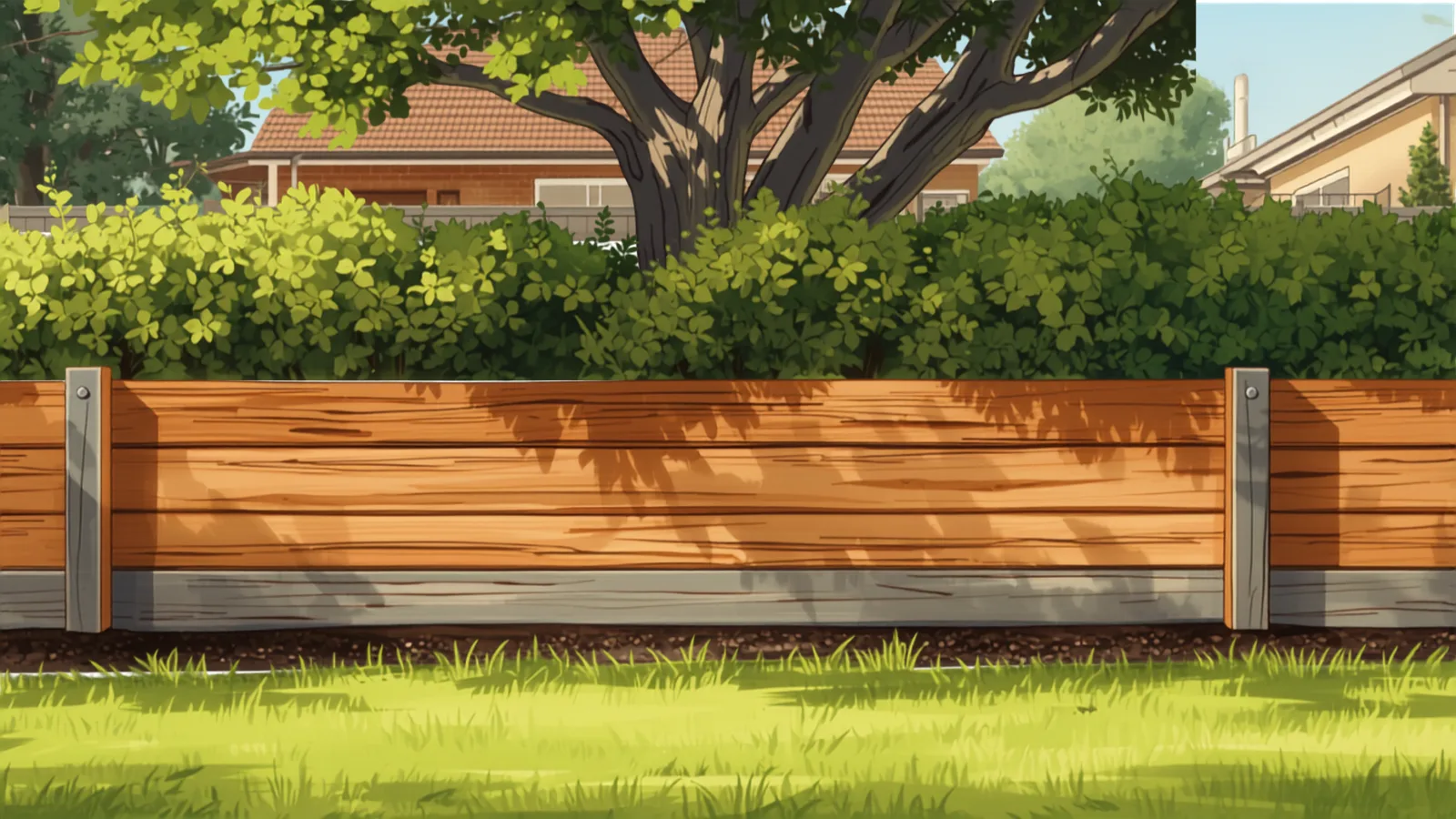
A timber sleeper retaining wall costs $220–$495 per lineal metre in Canberra in 2026 — the cheapest retaining wall you can have built, and the shortest-lived. That trade is the entire decision. This guide puts timber next to concrete sleeper on both numbers that matter: what you pay to build it, and what you pay when the day comes to take it out.
Timber sleeper pricing in Canberra
| Item | Low | Typical | High |
|---|---|---|---|
| Timber sleeper wall (per lm) | $220 | $350 | $495 |
| Concrete sleeper wall (per lm) | $330 | $440 | $660 |
| Old wall demolition + removal (per lm) | $55 | $110 | $200 |
Canberra 2026 bands, from the retaining wall cost guide. All rates per lineal metre.
Timber is the entry point at $220 a lineal metre and tops out at $495 — a band that mostly tracks height, timber grade and whether the posts are timber or galvanised steel. Steel posts with timber infill sit at the upper end and are, for what it is worth, the version that lasts.
Timber against concrete sleeper, metre for metre
The build-day gap is smaller than most people assume. Timber runs $220–$495 a lineal metre against $330–$660 for concrete sleeper, and the two bands overlap through most of their range. On a short garden wall the difference is genuinely small money. On a long boundary run it adds up — which is exactly why timber still gets built, and why it is a legitimate choice rather than a compromise.
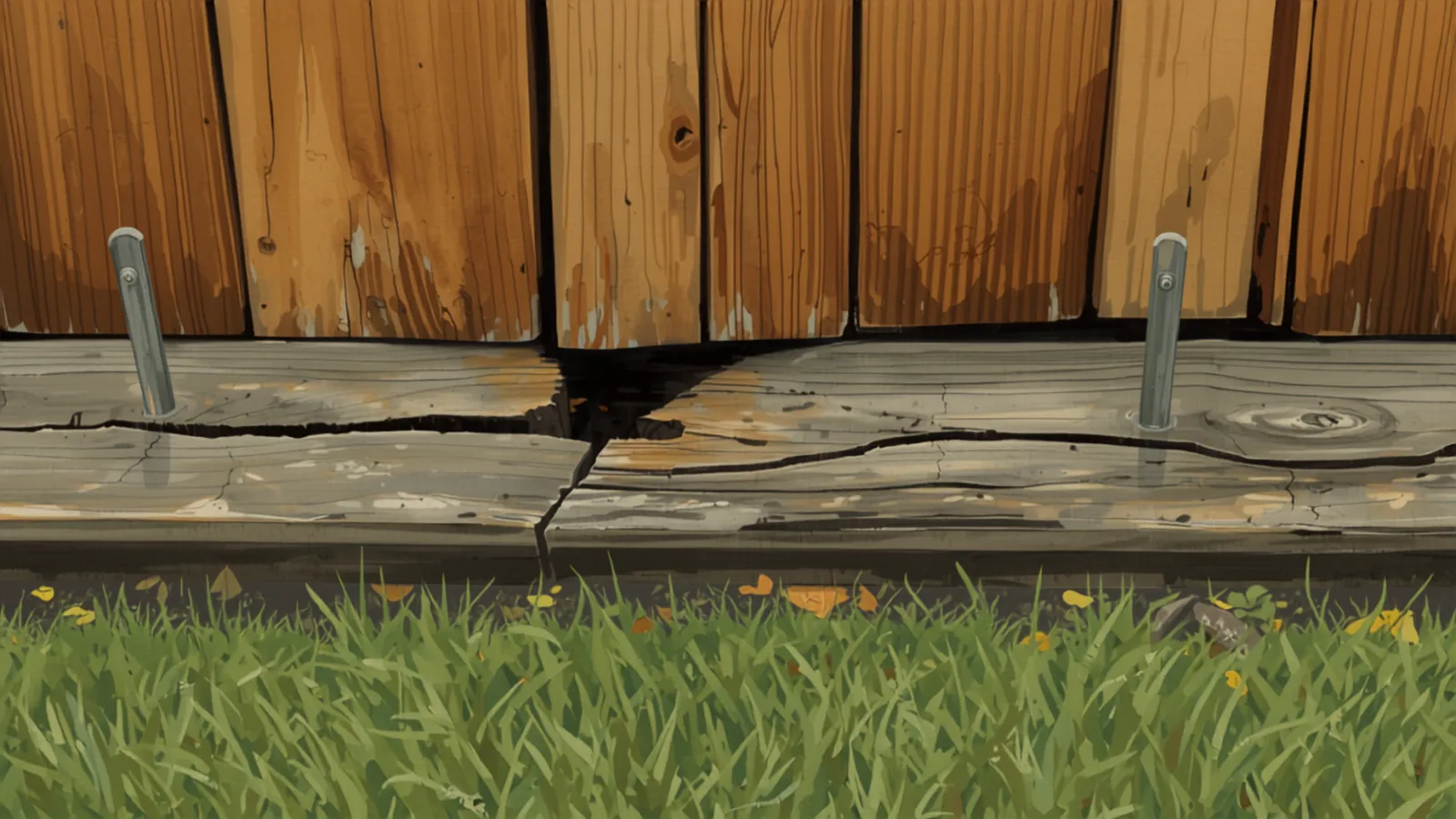
Where the two part company is what happens next. A timber sleeper wall is a consumable: it is a piece of wood sitting in wet soil, and wet soil is where wood goes. A concrete sleeper wall is not doing anything that wears out. Both walls hold the same dirt on day one. They do not hold it for the same number of years.
The lifespan question is the cost question
H4-treated pine in ground contact is typically expected to give a couple of decades before the sleepers at the soil line start going soft; hardwood sleepers generally run longer; concrete sleepers are the ones people expect to outlast their ownership of the house. Canberra’s freeze-and-thaw winters and dry summers are hard on timber at the soil line specifically, which is where the wall carries its load.
Nothing about that says do not build timber. It says build timber with your eyes open, because the second wall is the expensive one. Replacing a failed timber wall means paying to take the old one out — $55–$200 per lineal metre in demolition and removal — and then paying for a new wall on top of that. If the replacement is concrete sleeper, you have paid for the timber wall, the demolition, and the concrete wall you could have built at the start.
When timber is the right call
Low garden walls. Under about half a metre, holding a planting bed rather than a slope, timber is doing an easy job and looks better doing it than anything else at the price.
Long runs on a budget. When the wall is long and the height is modest, the per-metre saving is real money and the risk is low.
Walls you expect to change. If the yard is going to be reworked in a decade, buying a fifty-year wall is buying something you will pay to remove.
Where the look matters more than the life. Timber softens a garden in a way grey concrete does not. Some people will pay for that twice, knowingly. That is a legitimate answer.
When to skip timber
Anything tall. As height goes up, the consequences of failure go up with it, and the wall moves toward needing engineering. Spending certification money on a wall with a finite life is poor value — see wall height, engineering and ACT approvals.
Anything holding something up. If there is a structure, a path or vehicle access above the wall, build the wall that does not have a replacement date.
Anything you cannot get back to. If replacing the wall in fifteen years would mean machine access you no longer have, the cheap wall is not cheap.
Boundary walls. A wall you share with a neighbour is a wall you want to touch once. Concrete sleeper at $330–$660 a lineal metre is the usual answer — the detail is in concrete sleeper cost per metre.
Getting timber quoted properly
Ask every quote to state the timber grade and treatment level, the post material and section, post centres, how deep the posts are set, and whether there is drainage behind the wall at $33–$88 per lineal metre. Two timber quotes at the same rate are frequently a steel-post wall and a timber-post wall, and those are not the same purchase. Comparing Canberra retaining wall quotes has the full checklist.
Frequently asked questions
How long do treated pine sleepers last in a Canberra retaining wall?
H4-treated pine in ground contact is typically expected to give around two decades before the sleepers soften at the soil line, with hardwood running longer. Canberra’s wet-then-dry cycle is hard on timber right at ground level, which is exactly where the wall is working hardest. Drainage behind the wall and steel posts both extend it.
Does the cheaper timber wall stay cheaper?
Only if you are not there for the replacement. Timber starts at $220 a lineal metre against $275 for concrete sleeper, which is a real saving on a long run. Removing a failed wall costs $55–$200 a lineal metre before you have paid for anything new, so a rebuild inside your ownership generally erases the saving and then some.
What does it cost to pull out an old timber sleeper wall?
Demolition and removal runs $55–$200 per lineal metre in Canberra, depending on machine access, how much soil has to be held back while it comes out, and disposal. That is removal only — the replacement wall is priced separately on top.
Can I re-sleeper a timber wall instead of rebuilding it?
Sometimes, if the posts are steel and still sound — sliding new sleepers into existing steel posts is a genuinely cheaper job than a rebuild. If the posts are timber and rotting at the soil line, the posts are the wall, and replacing sleepers alone buys very little time.
Are steel posts with timber sleepers worth the extra?
Usually yes. Steel posts move the failure point off the structural element and onto the infill, which is the cheap part to swap. It sits toward the $495 top of the timber band rather than the $220 bottom, and it is the version of a timber wall most likely to still be standing when a full-timber one is not.
← Back to Retaining wall cost Canberra hub