Tree Removal Cost Australia 2026
Tree removal costs depend on the tree's size, location, access, and whether council permits are required. Stump grinding is usually quoted separately.
| City | Typical range | Year on year |
|---|---|---|
| Sydney | $290–$5,750 | ↑ +5.3% |
| Melbourne | $260–$5,250 | ↑ +5.1% |
| Brisbane | $250–$5,000 | ↑ +5.4% |
| Perth | $260–$5,250 | ↑ +4.7% |
| Adelaide | $230–$4,600 | ↑ +5.8% |
| Gold Coast | $245–$4,900 | ↑ +5.4% |
| Canberra | $275–$5,500 | ↑ +5.2% |
| Hobart | $225–$4,500 | ↑ +5.2% |
| Darwin | $250–$5,000 | ↑ +5.2% |
| Newcastle | $240–$4,750 | ↑ +5.3% |
| Geelong | $230–$4,650 | ↑ +5.1% |
| Sunshine Coast | $240–$4,850 | ↑ +5.4% |
| Townsville | $270–$5,400 | ↑ +5.4% |
| Wollongong | $270–$5,400 | ↑ +5.3% |
| Byron Bay | $260–$5,250 | ↑ +5.3% |
Choose Your City
National Pricing Overview
| Service | Low | Typical | High |
|---|---|---|---|
| Small tree removal (under 5 m) | $250per tree | $500 | $800 |
| Medium tree removal (5–10 m) | $800per tree | $1,500 | $2,500 |
| Large tree removal (10–20 m) | $2,000per tree | $3,500 | $5,000 |
| Extra-large tree (20 m+) | $4,500per tree | $6,500 | $15,000 |
| Palm tree removal | $250per tree | $400 | $1,200 |
| Stump grinding (small <30 cm) | $150per stump | $200 | $300 |
| Stump grinding (medium 30–60 cm) | $250per stump | $350 | $500 |
| Stump grinding (large 60 cm+) | $400per stump | $600 | $900 |
| Tree pruning / trimming | $200per tree | $450 | $1,200 |
| Hedge trimming, maintained hedge up to 2.5 m (per m) | $5/m | $12 | $25 |
| Arborist report | $300per report | $450 | $700 |
| Emergency / storm damage | $500per job | $1,500 | $5,000 |
| Arborist hourly rate | $70/hr | $120 | $180 |
| Large palm (10 m+) or Canary Island date palm removal | $1,200per tree | $1,800 | $3,000 |
| Tree on house / structure, crane-assisted emergency removal | $3,000per job | $7,000 | $12,000 |
How tree removal prices compare across 15 cities, the $70–$180 hourly band against every other trade and how they move month to month: Tradie Price Index, October 2026 →
You're in.
A local installer will be in touch about your job. No spam, no middleman.
Ready to get quotes for tree removal work? Get a quote from a verified local tradie — free, no obligation.
Get free quotes →National average prices. Select a city above for location-specific pricing.
Four deep-dives on tree removal cost
Tree Removal Cost by Tree Size
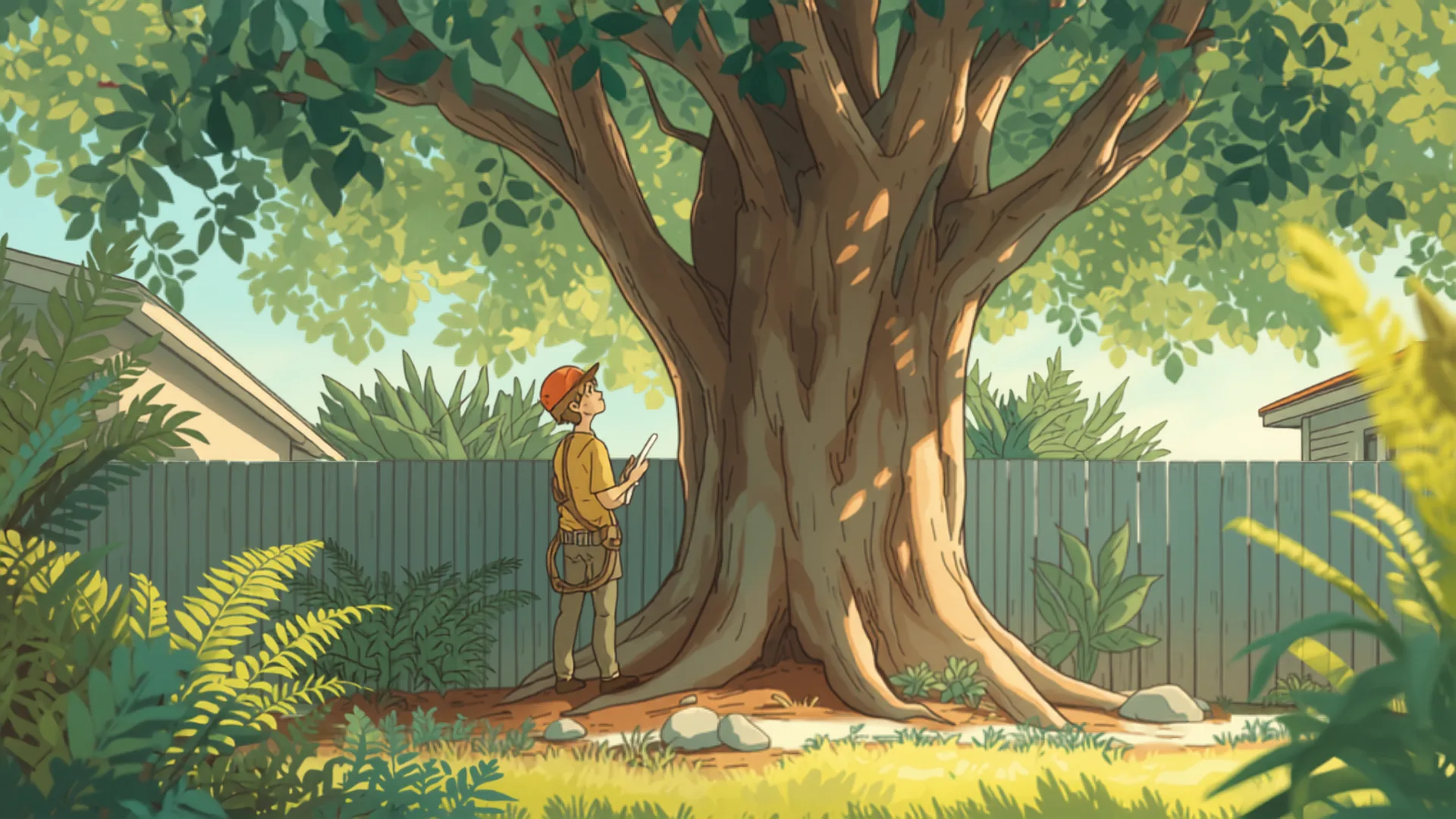
Tree height is the single biggest driver of what you'll pay. The pricing table above bands removal by size, and the gap between bands is steep for a reason: each step up means more time, more equipment, and more risk.
A small tree under 5 metres — an ornamental, a fruit tree, a young native — is usually a few hours' work for a two-person crew with a chipper, landing between $250 and $800. A medium tree of 5 to 10 metres is the typical established backyard tree; if it's tight against a fence or shed it has to come down in sections rather than felled whole, which is why these run $800 to $2,500.
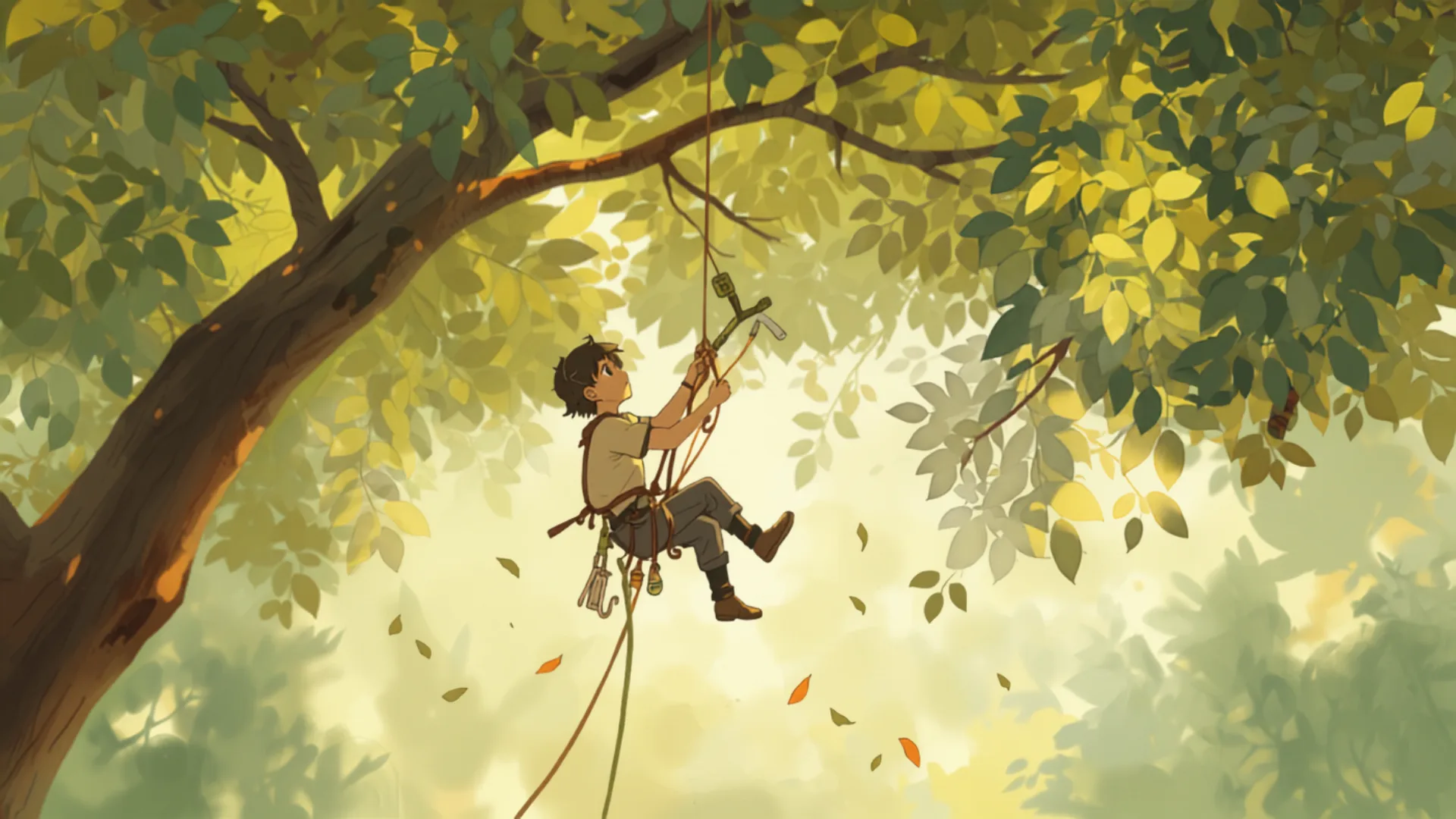
The jump to a large tree of 10 to 20 metres is where cost climbs sharply, $2,000 to $5,000, because the job now needs a qualified climber or an elevated work platform and limbs have to be rigged and lowered rather than dropped. A very large tree over 20 metres — a mature eucalypt or similar — is often a full-day operation with a crane, multiple crew, and sometimes traffic management, which is how you reach $4,500 to $15,000. Palms are priced on their own track ($250 to $1,200): they're lighter and faster, but frond handling and disposal vary.
Two trees of identical height can still quote differently. The number on your quote reflects not just how tall the tree is, but everything below.
What Affects Tree Removal Cost
Access
Often the biggest swing after size. A tree a truck and chipper can park beside is cheap to clear; one in a fenced back corner, reachable only by carrying limbs through the house or craning them over the roof, can cost two to three times more for the same tree.
Proximity to structures & power lines
Dictates technique. A tree with room to fall can be felled in one cut. One leaning over a roof, pool, or fence must be dismantled piece by piece with ropes, and anything near power lines may require a permit and a licensed crew.
Trunk diameter & wood density
Matters as much as height. A thick hardwood like ironbark or spotted gum is slower to cut and heavier to handle than a soft-wood tree of the same height, and dulls equipment faster.
Tree condition
A dead or storm-damaged tree is unpredictable and unsafe to climb, so crews work slower and price for the risk. Messy droppers and invasive root systems can also add green-waste volume.
Emergency vs planned
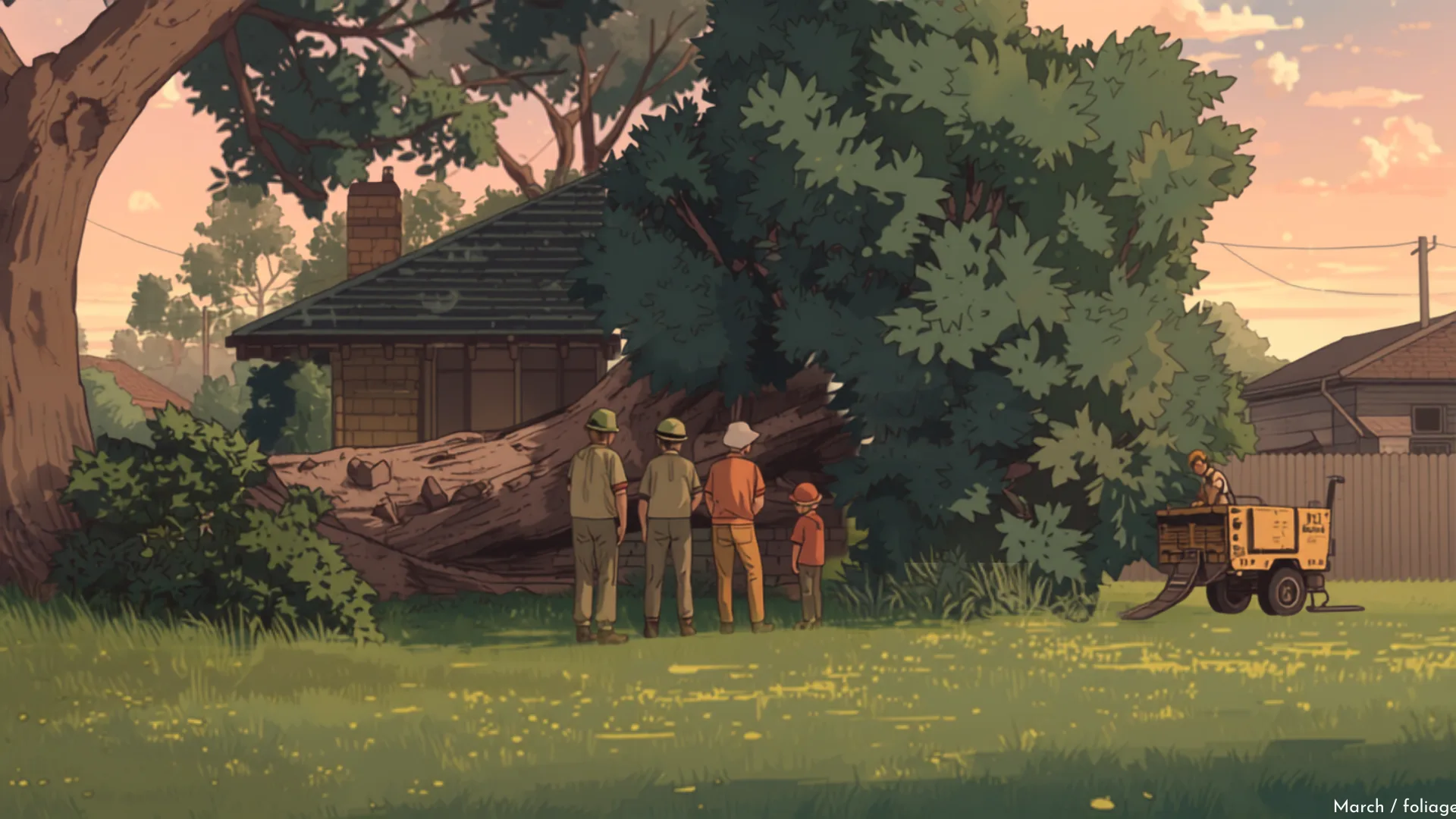
A storm-felled tree across a driveway at the weekend is an after-hours callout ($500 to $5,000 depending on size and hazard). The same tree booked a fortnight out costs materially less.
Stump Removal, Disposal & Other Extras
Felling the tree and dealing with what's left are two separate line items, and the extras are where a quote often grows.
Stump grinding is the usual choice — a machine grinds the stump 20–30 cm below grade so you can turf or plant over it. It's priced by stump diameter: small stumps under 30 cm run $150 to $300, medium 30–60 cm stumps $250 to $500, and large stumps over 60 cm $400 to $900. Grinding leaves the root ball in the ground; full stump excavation, where the roots are dug out entirely, costs more and is only necessary if you're building or laying a slab over the spot.
Green-waste removal is sometimes bundled into the felling price and sometimes charged on top — always check which. If you keep the mulch (most crews will chip on site and leave it) you can save on haulage, and useful timber can be cut to firewood lengths and kept.
Crane or elevated-work-platform hire is the big-ticket extra, applied when a tree can't be safely climbed — it's already folded into the upper end of the large and very-large bands above. An arborist report ($300 to $700) is a separate cost you'll need if the council requires assessment before approving removal.
Do You Need a Permit to Remove a Tree?
This is the step most people miss, and it can carry real penalties. In most of Australia, removing a tree on your own property can need approval, so check your local council's rules first (in the ACT, the ACT Government's tree protection rules).
Councils protect trees through local vegetation and tree-preservation controls, and what's protected varies widely by area — commonly trees above a certain height or trunk circumference, native species, and any tree listed as significant or heritage. Some councils require a permit for almost any established tree; others exempt small or non-native ones. Removing a protected tree without approval can attract substantial fines.
There are usual exceptions — trees that are dead, an imminent safety hazard, or declared weed species are often exempt, and rules can relax in designated bushfire-management zones — but these still typically need to be documented, sometimes with an arborist report. Because the rules are set council by council and change over time, the only reliable step is to contact your local council before booking removal. A reputable tree service will ask whether you've confirmed approval and can usually point you to the right process.
This is general information, not legal advice — the current rules of your council (or, in the ACT, the ACT Government) are the authority for your property.
How to Save Money on Tree Removal Cost in Australia
You can bring a tree removal quote down without cutting corners on safety:
Book ahead, not in crisis. Emergency and storm-damage callouts carry a premium; the same job scheduled a couple of weeks out is materially cheaper. If a tree is a known risk, deal with it before the next big storm, not after.
Bundle jobs. If you have several trees or also need pruning, get them done in one visit — crews price more keenly when the truck, chipper, and team are already on site for a full day rather than a single small tree.
Keep the mulch and timber. Declining green-waste haulage and letting the crew chip on site, or cutting usable wood to firewood lengths, trims the disposal line.
Get three quotes. Pricing varies widely between operators for the same tree, so it's worth comparing. Make sure each quote covers the same scope — felling, stump, and green-waste — so you're comparing like for like, and check the crew is insured and qualified.