Storm Damage and Emergency Tree Removal Costs
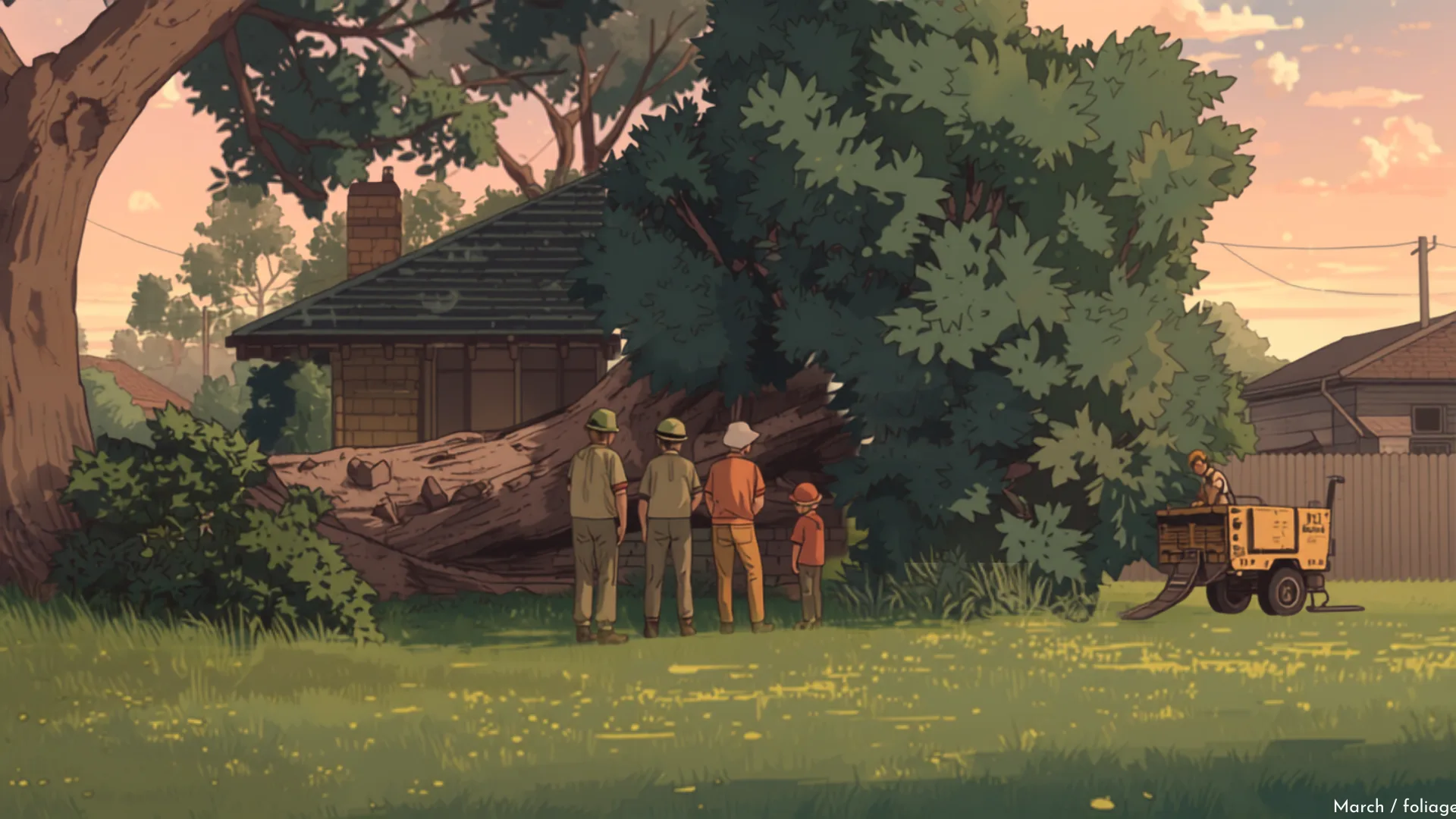
Storms write the tree industry's biggest invoices. What's The Damage's October 2026 re-verification across 90+ sources puts emergency and storm-damage tree work at $500–$4,000 per job nationally, with $1,500 typical — and the make-safe-now, remove-later model is what keeps a bad night at the affordable end. Here's what genuinely can't wait, how insurance fits, and who not to hire off the doorstep.
What emergency tree work costs
When a tree comes down in a storm, the meter runs differently. Nationally, emergency and storm-damage tree work runs $500–$4,000 per job with $1,500 typical — a wide band because "storm job" spans everything from a crew making one hanging limb safe to a crane lifting a full canopy off a roof at first light. The premium over scheduled work is real and honest: crews mobilising out of hours, in weather, onto unstable trees under load, with everyone else in the suburb calling the same phones. Which is exactly why the most valuable thing on this page is knowing what genuinely can't wait — and what the two-stage model can save you.
| Job | Low | Typical | High |
|---|---|---|---|
| Emergency / storm damage (per job) | $500 | $1,500 | $4,000 |
| Medium tree removal — scheduled, context | $800 | $1,500 | $2,500 |
| Large tree removal — scheduled, context | $2,500 | $4,000 | $6,000 |
What genuinely can't wait
Four situations justify the emergency number every time. A tree or major limb on a structure — roof, wall, carport — where weight is doing ongoing damage and weather may be getting in. Anything blocking the only access: a driveway you can't leave by, a door you can't open. Hangers — broken limbs caught in the canopy over areas people use, the industry's most respected hazard because they fall without a second warning. And the absolute category of its own: anything involving powerlines. A tree on lines, or lines on the ground under a tree, is not a private tree job at any price — clear the area and call your electricity distributor's emergency line; their authorised crews make the network safe first, and the tree work follows. If none of those four describes your situation, what you likely have is an urgent scheduled job, and that distinction is worth hundreds.
Make safe now, remove later
The cost-control model in storm work is the two-stage job, and good crews offer it unprompted. Stage one, at emergency rates, does only what the emergency demands: secure or remove the hanging limb, cut the trunk off the roof, get the tarp on, open the driveway — the site made safe, the damage stopped. Stage two — the full removal, the stump, the cleanup, the green waste — happens days later as scheduled work at scheduled prices, quoted properly in daylight. Collapsing both stages into one panic-priced night is how a $1,500 emergency becomes a $4,000 one. On the phone, ask the question in exactly these words: "what's the make-safe cost tonight, and what's the rest worth as a scheduled job?" A professional answers both numbers without friction; the answer also tells you who you're dealing with.
Insurance and the fallen tree
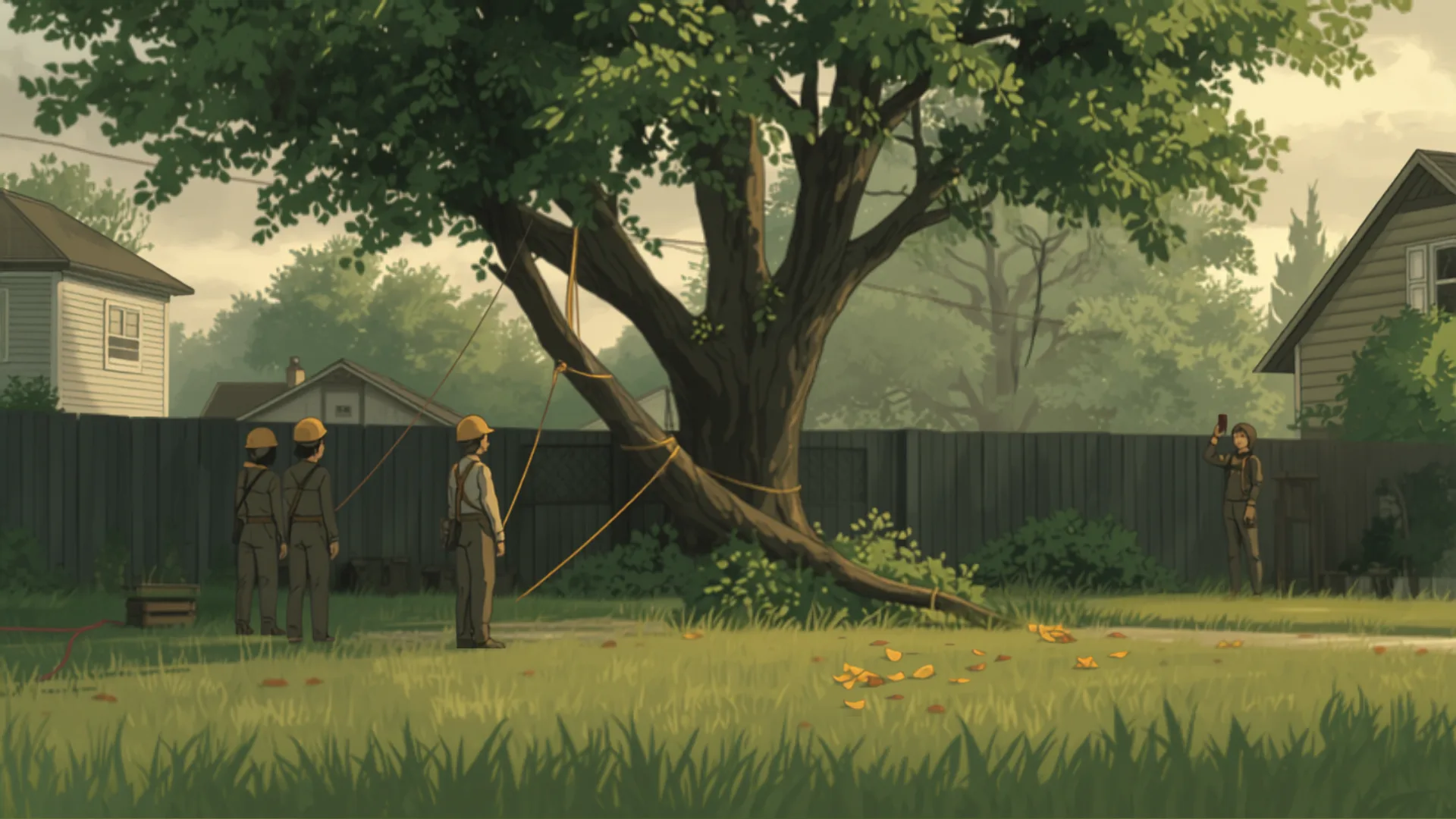
Storm damage from trees is core home-insurance territory, and a few habits keep claims smooth. Photograph everything before any cutting starts — the tree, the damage, the wider scene — and keep photographing as work proceeds. Call the insurer early: make-safe work to prevent further damage is generally the right immediate move and insurers expect it, but authorising complete removals and repairs before the claim conversation can complicate recovery, so unless safety demands it, let stage two wait for their nod. Keep every invoice and the crew's details. One distinction shapes outcomes: insurers respond to storm damage, not to the long-foreseeable collapse of a tree in documented decline — which is the quiet, powerful argument for the pre-season assessment covered below. The paper trail you build before the storm is the one that pays after it.
After the storm: triage and the door-knockers
In the daylight after a big blow, work the yard in order: people and pets clear of anything still hanging; powerline situations reported and given wide berth; then structures, then access, then the merely messy. Resist the chainsaw urge on anything under tension — storm-loaded timber stores energy and releases it sideways. And expect company: major storms reliably produce door-knockers with utes and chainsaws offering cash-price cleanups on the spot. Some are legitimate crews travelling to the work; many are not, and storm week is when uninsured, unqualified operators do their year's business. The same thirty-second checks apply under pressure as in peacetime — insurance sighted, an actual business behind the phone number, and no cash-up-front. The genuine professional expects the questions; the storm chaser's van is already reversing.
The cheapest storm job is the one that never happens
Almost every tree that fails in a storm advertised first. Deadwood over the trampoline, the limb that's hung lower each year, the lean that changed after the last wet winter, fungus at the base, the crown gone thin on one side. Pre-season work prices like maintenance because it is: pruning and deadwooding runs $200–$1,200 per tree, and a written condition assessment on the tree you're genuinely worried about runs $300–$700 — both a fraction of the $500–$4,000 emergency band, before counting the roof. The autumn ritual worth adopting: walk the yard, look up slowly, and deal with what you see while it's still a quote instead of a claim. Storm season rewards the prepared with the rarest luxury in tree work — sleeping through the wind.
You're in.
A local installer will be in touch about your job. No spam, no middleman.
Tree Removal cost in your city
Verified October 2026 ranges — tap your city for the full local guide.
Frequently asked questions
How much does emergency tree removal cost in Australia?
Emergency and storm-damage work runs $500–$4,000 per job nationally with $1,500 typical, per What's The Damage's October 2026 re-verification across 90+ sources. The band spans making one hanging limb safe through to crane work lifting a canopy off a roof — out-of-hours mobilisation, weather and unstable trees under load price the premium.
What counts as a genuine tree emergency?
Four situations: a tree or major limb on a structure doing ongoing damage, anything blocking your only access, hangers — broken limbs caught in the canopy over areas people use — and anything involving powerlines, which is the electricity distributor's emergency line first, never a private crew. Anything else is an urgent scheduled job at scheduled prices.
What is make-safe tree work?
The two-stage cost model good crews offer unprompted: stage one, at emergency rates, does only what the emergency demands — secure the hanger, get the trunk off the roof, open the driveway. Stage two — full removal, stump, cleanup — happens days later as scheduled work quoted in daylight. It's the difference between a $1,500 night and a $4,000 one.
Does home insurance cover storm damage from trees?
It's core home-insurance territory. Photograph everything before cutting starts, call the insurer early, and proceed with make-safe work — insurers expect damage prevention — but let full removals and repairs wait for the claim conversation unless safety demands otherwise. Keep every invoice; insurers respond to storm damage, not documented neglect.
A tree has fallen on powerlines — who do I call?
Your electricity distributor's emergency line, immediately — and keep everyone well clear. A tree on lines, or lines down under a tree, is never a private tree job at any price: authorised network crews make the electricity safe first, and the tree work follows behind them.
How do I avoid dodgy tree crews after a storm?
Storm week is when uninsured door-knockers with utes do their year's business. Apply the same thirty-second checks under pressure: insurance sighted, a real business behind the phone number, no cash up front, and a make-safe-versus-scheduled quote split. The genuine professional expects the questions; the storm chaser's van is already reversing.
← Back to tree removal cost guide hub