Tree Pruning and Trimming Costs
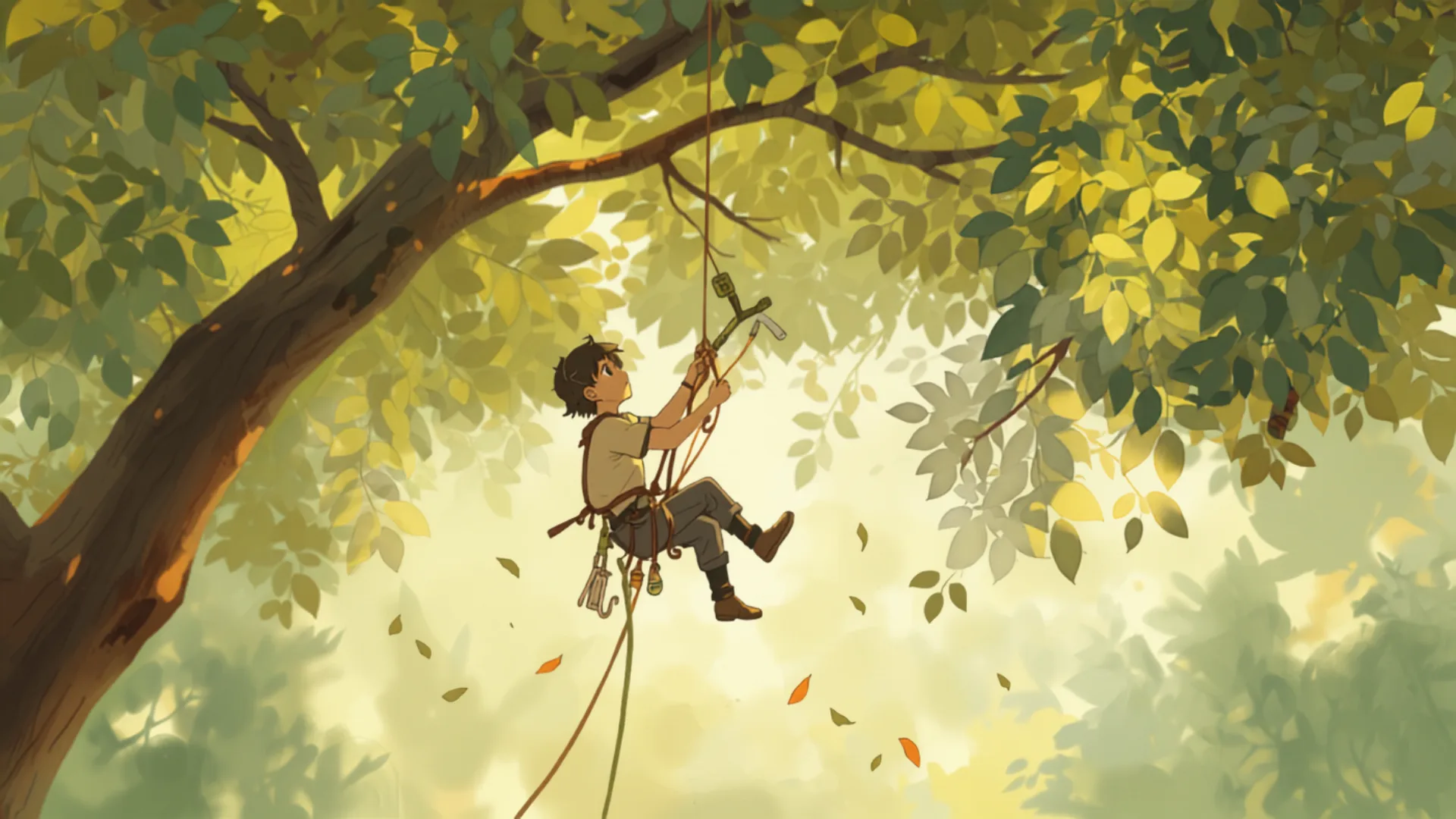
Pruning is the maintenance that keeps trees off the removal list. What's The Damage's October 2026 re-verification across 90+ sources puts tree pruning at $200–$1,200 per tree nationally and hedge trimming at $5–$25 per metre. Here's what moves a quote, which pruning types are legitimate — and the one that never is — plus the tipping point where removal becomes the cheaper decision.
What pruning costs
Tree pruning is quoted per tree, and nationally it runs $200–$1,200 with $450 typical. Hedges run on their own meter — literally — at $5–$25 per metre with $12 typical. The per-tree spread is wide because "a prune" spans everything from an hour of ground-reachable clearance work to a full day of climbing a mature canopy on ropes, cutting to standards, and chipping the result. The quote you receive is mostly a labour-and-access calculation wearing a per-tree price tag, which is why two trees of similar size can quote very differently once their surroundings are counted.
| Job | Low | Typical | High |
|---|---|---|---|
| Tree pruning / trimming (per tree) | $200 | $450 | $800 |
| Hedge trimming (per metre) | $5 | $12 | $25 |
| Small tree removal — context | $250 | $500 | $800 |
What moves a pruning quote
Five factors set where a tree lands in the band. Size and height first — canopy work on ropes is a different trade to pole-saw work from the ground. Access second: a front-yard tree with truck and chipper alongside prices better than a back-corner tree where every branch travels through a side gate by hand. The amount coming off matters — a light clearance trim versus a substantial weight reduction is hours versus a day. Disposal is real money: chipping and green-waste removal is built into most quotes, and mountains of hedge clippings or canopy limbs take time to process. And one factor overrides everything: proximity to powerlines. Vegetation near network lines is not a standard pruning job — it's restricted work for authorised crews, and any operator who shrugs at that boundary has told you everything about their other standards.
The pruning types that are actually a thing
Legitimate pruning has names, and hearing them in a quote is a good sign. Crown lifting raises the canopy's bottom edge for clearance over paths, driveways and lawn. Crown thinning removes selected internal growth so wind moves through rather than against the tree — done properly it's invisible from the street. Deadwooding takes out the dead and dying limbs that fall without warning, and is the highest-value safety prune on mature trees. Clearance pruning creates specific space — from the roof, the gutters, the pool, a neighbour's boundary. Formative pruning shapes young trees so they never develop the faults that make old trees expensive. The one name that should never appear is topping or "taking the top out" — indiscriminate height reduction that wounds the tree into dangerous regrowth. That practice, and why professionals refuse it, has its own guide in this series.

Hedges: the per-metre logic
Hedge pricing scales with run length, which is why the quote arrives per metre — but the metre isn't the whole story. Height multiplies effort: a knee-high border and a three-metre screening hedge are different jobs per metre, with the tall hedge demanding platforms and far more careful cleanup, which is what pushes toward the $25 end. Condition matters too: a hedge maintained on schedule trims fast; an overgrown one being reclaimed is a renovation, not a trim, and prices accordingly. The economics reward rhythm — regular light trims through the growing season cost less per year, and produce a dramatically better hedge, than one heroic annual assault.
Timing, seasons and the wildlife check
Most routine pruning can happen year-round, but a little timing awareness buys better results. Many species respond best when cut in their slower seasons, heavy sap producers are better avoided at peak flow, and fast growers may simply need more frequent attention than the calendar suggests — a good arborist will volunteer the species-specific answer for whatever's in your yard. The check that's non-negotiable regardless of season: nesting. Australian canopies host possums, parrots and raptors, and active nests or hollows pause the work around them. A professional crew looks before cutting as a matter of course; it's another of those quiet markers separating the qualified from the keen.
The prune-vs-remove tipping point
Pruning is maintenance, and maintenance maths eventually meets a limit. A sound tree pruned every few years at $200–$1,200 is a bargain against everything it provides. But when a tree needs major intervention every visit, when each prune is really a fight against decline or decay, or when the honest purpose of the cutting is to make a fundamentally wrong tree tolerable for another season — the comparison changes. Removal by size runs from $250 for a small tree into five figures for giants, and paid once it ends the cycle. The rule of thumb: pruning maintains an asset; when you're paying repeatedly to manage a liability, price the removal and be honest about the trajectory. A borderline call is exactly what a $300–$700 arborist report exists to settle.
The DIY line, drawn where the injuries are
Ground-level work with hand tools — secateurs, loppers, a pole saw with both feet on grass — is fair owner territory, and regular light DIY trimming genuinely reduces what you pay professionals later. The line sits exactly where the injury statistics say it does: chainsaws, ladders, height, and anything near powerlines. A chainsaw above shoulder height on a ladder is how tree work fills emergency departments, and limbs under tension behave in ways that surprise even professionals. Powerlines are an absolute stop — that's authorised-crew work, no exceptions. The honest split: owners keep the small stuff tidy, and the $200–$1,200 professional visit buys the ropes, the insurance, the standards and the years of judgement for everything above head height.
You're in.
A local installer will be in touch about your job. No spam, no middleman.
Tree pruning cost by city (2026)
Pruning is priced per tree everywhere, but the rate moves with local labour and access costs. These are the per-tree pruning and trimming bands from each city's tree removal cost guide:
| City | Low | Typical | High |
|---|---|---|---|
| Sydney | $230 | $520 | $920 |
| Melbourne | $210 | $470 | $840 |
| Brisbane | $200 | $450 | $800 |
| Perth | $210 | $470 | $840 |
| Adelaide | $185 | $415 | $735 |
| Gold Coast | $195 | $440 | $785 |
| Canberra | $220 | $495 | $880 |
| Hobart | $180 | $405 | $720 |
Against the national $200–$1,200 per tree ($450 typical), Sydney is the dearest of these cities at $230–$920, Melbourne and Perth both sit at $210–$840 (typically $470), and Hobart and Adelaide are the cheapest. Hedges are quoted separately, per metre — see the hedge section above.
Tree Removal cost in your city
Verified October 2026 ranges — tap your city for the full local guide.
Frequently asked questions
How much does tree pruning cost in Australia?
Pruning runs $200–$1,200 per tree nationally with $450 typical, per What's The Damage's October 2026 re-verification across 90+ sources. The spread reflects labour and access: ground-reachable clearance work sits low, full canopy work on ropes with chipping sits high. Hedge trimming runs separately at $5–$25 per metre.
What makes a pruning quote more expensive?
Size and height (rope work versus ground work), access (back-corner trees where everything travels through a side gate by hand), how much is coming off, and disposal volume. Trees near powerlines are a category of their own — that's restricted work for network-authorised crews, not a standard pruning job.
What types of tree pruning are legitimate?
Crown lifting (raising the canopy edge for clearance), crown thinning (letting wind through), deadwooding (removing the limbs that fall without warning), clearance pruning (space from roofs, pools, boundaries) and formative pruning on young trees. The one that never is: topping — indiscriminate height reduction that wounds trees into dangerous regrowth.
How much does hedge trimming cost?
Nationally $5–$25 per metre with $12 typical. Height multiplies the effort — tall screening hedges need platforms and heavy cleanup, pushing toward the top of the band — and condition matters: a maintained hedge trims fast, while reclaiming an overgrown one is a renovation priced accordingly. Regular light trims beat one annual assault.
When should trees be pruned in Australia?
Most routine pruning works year-round, though many species respond best in their slower seasons and heavy sap producers are better avoided at peak flow — a good arborist volunteers the species-specific answer. The non-negotiable check is wildlife: active nests and hollows pause work around them, whatever the calendar says.
What tree work can I safely do myself?
Ground-level work with hand tools — secateurs, loppers, a pole saw with both feet on grass. The line sits where the injuries are: chainsaws, ladders, height and anything near powerlines belong to professionals. Regular light DIY trimming genuinely reduces what you pay the $200–$1,200 professional visit to handle.
← Back to tree removal cost guide hub