Tree Lopping vs Tree Removal: Why the Difference Matters
"Just lop it" might be the most expensive sentence in Australian backyards. What's The Damage's October 2026 re-verification across 90+ sources puts proper pruning at $200–$1,200 per tree and full removal at $250–$15,000 depending on size — and lopping, the cheap-sounding third option, usually ends up costing more than either. Here's why the difference matters, and how to hear it in a quote.
Three jobs that get called by one name
In Australian backyards, "lopping" gets used for any work involving a tree and a chainsaw. In the industry, the three jobs it's standing in for could not be more different. Pruning is selective, standards-based cutting that keeps a tree healthy while achieving a goal — clearance, weight reduction, deadwood out. Removal takes the whole tree to the ground, done once and properly. And lopping, in its true sense, is the discredited third thing: indiscriminate topping cuts through major limbs at whatever height suits, leaving stubs. Two of these are legitimate services with honest price tags. The third is the one qualified arborists refuse to sell — and understanding why is worth thousands.
| Job | Low | Typical | High |
|---|---|---|---|
| Tree pruning / trimming (per tree) | $200 | $450 | $800 |
| Small tree removal (under 5 m) | $250 | $500 | $800 |
| Medium tree removal (5–10 m) | $800 | $1,500 | $2,500 |
| Large tree removal (10–15 m) | $2,500 | $4,000 | $6,000 |
| Extra-large tree removal (15 m+) | $5,000 | $8,000 | $15,000 |
Why proper arborists won't lop
Topping a tree doesn't make it smaller for long — it makes it dangerous forever. Every large stub cut is a wound the tree can't seal, and decay moves in behind it. The tree's response is panic growth: dense clusters of fast, weakly-attached shoots erupting around each cut, racing back to the original height within a few seasons. Those regrowth limbs are anchored in wood that's actively decaying, which is how a lopped tree becomes a worse hazard than the tree that "needed" lopping in the first place. That's the whole story of why the practice is condemned across the industry: it trades a small problem now for a structural one later, and the later problem arrives with your name on the liability.
The lopping trap, priced honestly
The lop quote always looks like the bargain — less work than a removal, less care than proper pruning. Run the tape forward and the economics collapse. The regrowth comes back faster and denser than the original crown, so the "cheap" cut books its own repeat visit every couple of years. Each round of topping adds decay and weakens attachment further, so the risk climbs while the money drains. And the destination is almost always the same: a removal anyway — now of a decayed, unpredictable, harder-to-rig tree. Compare the honest paths: pruning at $200–$1,200 per tree on a sensible cycle keeps a healthy tree indefinitely; a single properly-done removal ends the question for the tree that genuinely has to go. Lopping manages to be the expensive version of both.
When pruning is the answer
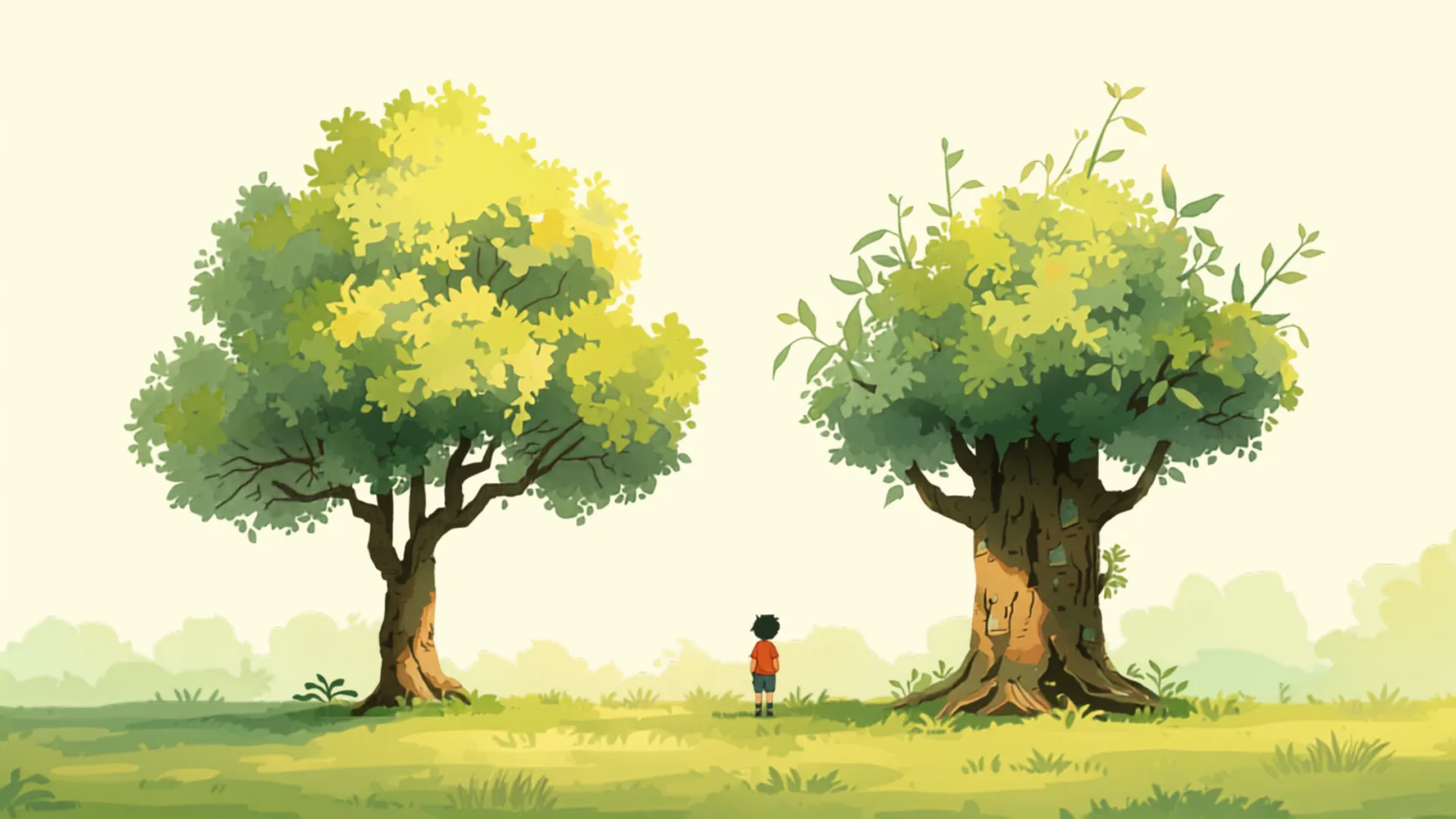
Pruning wins when the tree is fundamentally sound and the problem is specific: limbs approaching the roof or gutters, deadwood over where people walk and park, a crown grown heavy and dense enough to worry in wind, low growth crowding paths and sightlines, or a young tree that needs formative shaping so it never becomes a problem tree at all. A qualified climber solves each of those with targeted cuts that respect how the species heals — and the tree stays an asset. Shade, screening, habitat and property value all survive the visit. If the honest description of your problem starts with "the tree's fine, but…", you're describing a pruning job.
When removal is the answer
Removal is the right call when the tree itself is the problem: dead or dying, structurally compromised — major decay, big cracks, a lean that's recently changed — or simply the wrong tree in the wrong place, planted decades ago with no regard for the house, pool or drainage lines it now dominates. Roots heaving paving or threatening structures push the same way. The size bands in the table are driven by exactly what you'd expect: height and spread, access for gear and chip trucks, and how much careful rigging it takes to bring the tree down in pieces over whatever it currently hangs above. One honest removal, quoted by size and access, closes the file — which is precisely what the lopping cycle never does.
How to hear the difference in a quote
The vocabulary gives it away. A professional talks in pruning terms — crown lifting, thinning, deadwooding, clearance — names target percentages and specific limbs, and explains what the tree will look like after. A lopper says "we'll take the top out of it" and quotes a height. Ask three questions and the field sorts itself: what exactly will be cut and why; are you insured for tree work at height (ask to sight it); and what happens to this species after those cuts. Anyone offering to top a healthy tree has answered all three. It's also fair to notice the incentive: the lop is designed to be re-sold to you every two years — the professional's prune or removal is designed not to be.
The decision path that avoids both traps
For a tree that's borderline — big, close to the house, vaguely worrying — don't start with quotes to cut; start with an assessment. A written report from a qualified consulting arborist runs $300–$700 and answers the actual question: is this tree sound, does it need targeted pruning, or is removal justified. That document also does double duty wherever approvals or disputes are in play. From there the money follows the answer once: a proper prune on the sound tree, a proper removal on the condemned one. The only path that never appears in a professional's recommendation is the lop — and now you know exactly why.
You're in.
A local installer will be in touch about your job. No spam, no middleman.
Tree Removal cost in your city
Verified October 2026 ranges — tap your city for the full local guide.
Frequently asked questions
What is the difference between tree lopping and tree removal?
Removal takes the whole tree to the ground, done once and properly — priced by size from $250 for small trees to $15,000 for giants. Lopping, in its true sense, is indiscriminate topping: cutting major limbs to stubs at whatever height suits. Pruning is the legitimate middle path — selective, standards-based cutting at $200–$1,200 per tree.
Why won't qualified arborists lop trees?
Because topping makes trees more dangerous, not smaller. Large stub cuts are wounds the tree can't seal, decay moves in behind them, and the tree responds with dense, fast, weakly-attached regrowth racing back to full height — anchored in rotting wood. The industry condemns the practice because it manufactures the hazard it claims to fix.
Is lopping cheaper than removal?
Only on the first invoice. Regrowth comes back within a few seasons, booking a repeat lop every couple of years while decay and risk climb — and the destination is usually a removal anyway, now of a decayed, harder-to-rig tree. Proper pruning at $200–$1,200 or one honest removal both cost less over time.
How do I know if my tree needs pruning or removal?
If the tree is sound and the problem is specific — clearance, deadwood, weight, crowding — that's pruning. If the tree itself is the problem — dead, dying, structurally compromised, or the wrong tree threatening structures — that's removal. For borderline calls, a $300–$700 written assessment from a consulting arborist settles it professionally.
How much does tree removal cost by size?
Nationally: small trees under 5 m run $250–$800, medium 5–10 m trees $800–$2,500, large 10–15 m trees $2,500–$6,000, and extra-large 15 m+ trees $4,500–$15,000, per What's The Damage's October 2026 re-verification. Access and what the tree hangs over move a quote within its band.
How can I spot a lopper before hiring?
Vocabulary and paperwork. Professionals talk crown lifting, thinning, deadwooding and clearance, name the specific limbs coming off and why, and can show insurance for work at height. A lopper says "we'll take the top out of it" and quotes a height. Anyone offering to top a healthy tree has already failed the interview.
← Back to tree removal cost guide hub