DIY vs hiring a professional for a Wollongong bathroom
You can legally strip out your own Wollongong bathroom and you can legally paint it. The plumbing, drainage and electrical work in between must be done by licensed trades in NSW, and anyone you pay for other bathroom work above the licensing threshold needs a contractor licence. Here is exactly where the line sits, and what DIY genuinely saves once you account for it.
Quick answer — what you can and cannot do yourself in NSW
| Task | DIY allowed? | Cost if hired |
|---|---|---|
| Demolition and strip-out | Yes | $1,075–$3,250 |
| Painting and making good | Yes | $600–$1,800 |
| Tiling | Yes, but see below | $2,700–$8,100 |
| Waterproofing | Check the rules — must meet the NCC | $755–$3,775 |
| Plumbing (any water or drainage) | No — licensed plumber | $2,150–$5,400 |
| Electrical (any fixed wiring) | No — licensed electrician | $800–$2,400 |
In NSW, plumbing, drainage and electrical work must be carried out by appropriately licensed trades. Residential building work above the licensing threshold set by the regulator requires a licensed contractor, and contracts above the separate, higher home building compensation threshold require that insurance cover. Building Commission NSW is the authority on where those thresholds sit — confirm before you plan a scope around them.
The realistic DIY saving
Take a $29,150 mid-range Wollongong bathroom. The genuinely DIY-able portions are demolition, painting, and possibly tiling. Doing demolition and painting yourself might save $2,000–$4,000. Adding tiling to that could save another $2,000–$4,000 in labour — but only if you tile well.
So a realistic ceiling on DIY saving is roughly $4,000–$8,000 on a $29,150 job, or about 15–25%. That is real money. It is also several weekends of hard physical work, and it comes with a specific risk described below.
The tiling trap
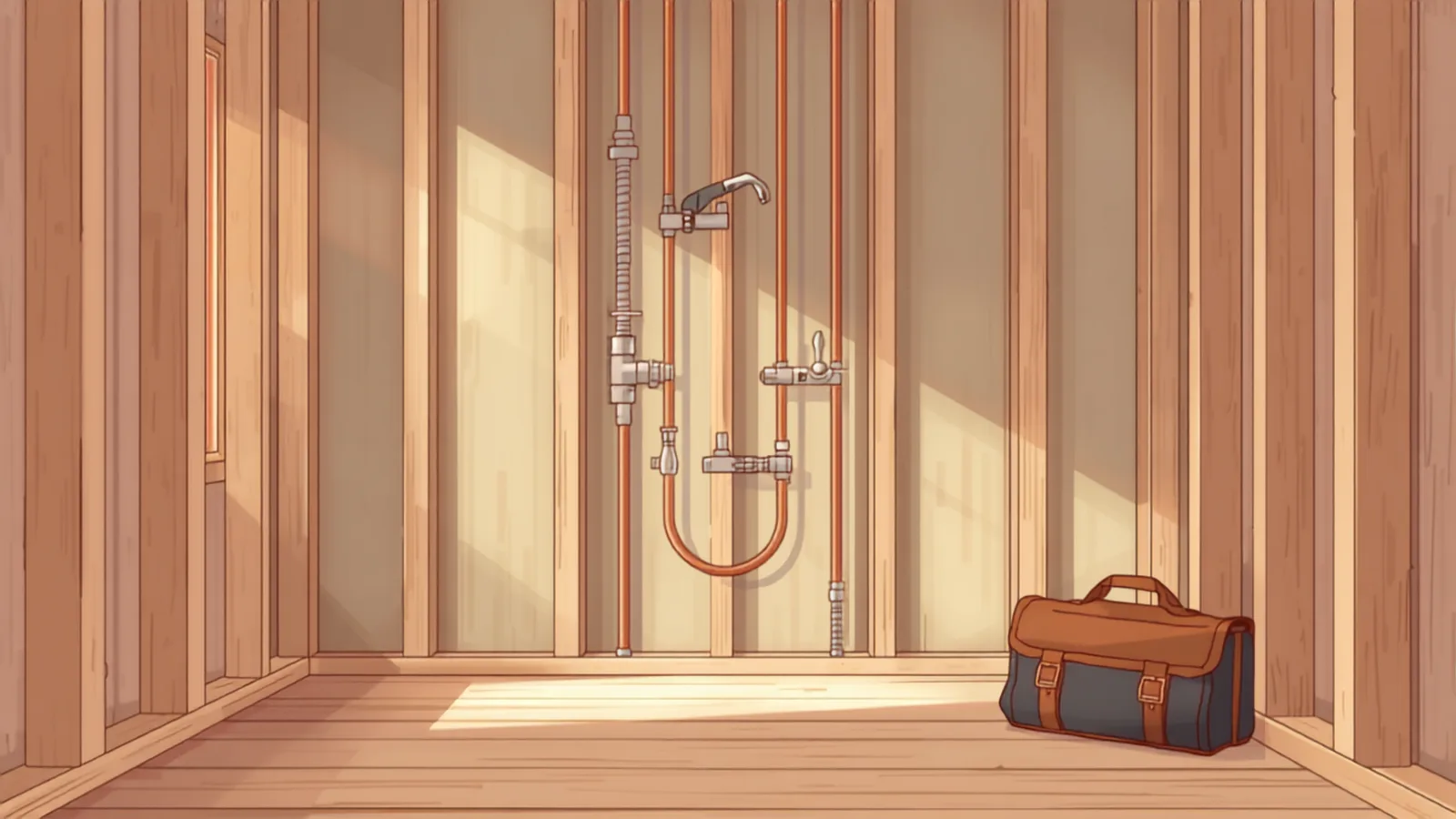
Tiling is the one line where DIY is legal, tempting, and most likely to cost you. Tiles are laid on top of the waterproofing membrane. If you damage the membrane while laying — a dropped trowel, a screw through a corner, a badly cut penetration — the failure will not show for months, and when it does the repair means removing your new tiles, redoing the waterproofing, and retiling. That sequence turns a $3,000 saving into a $10,000 problem.
If you tile yourself, have the waterproofer inspect the membrane immediately before you start, and treat the membrane as untouchable.
Where DIY makes clear sense
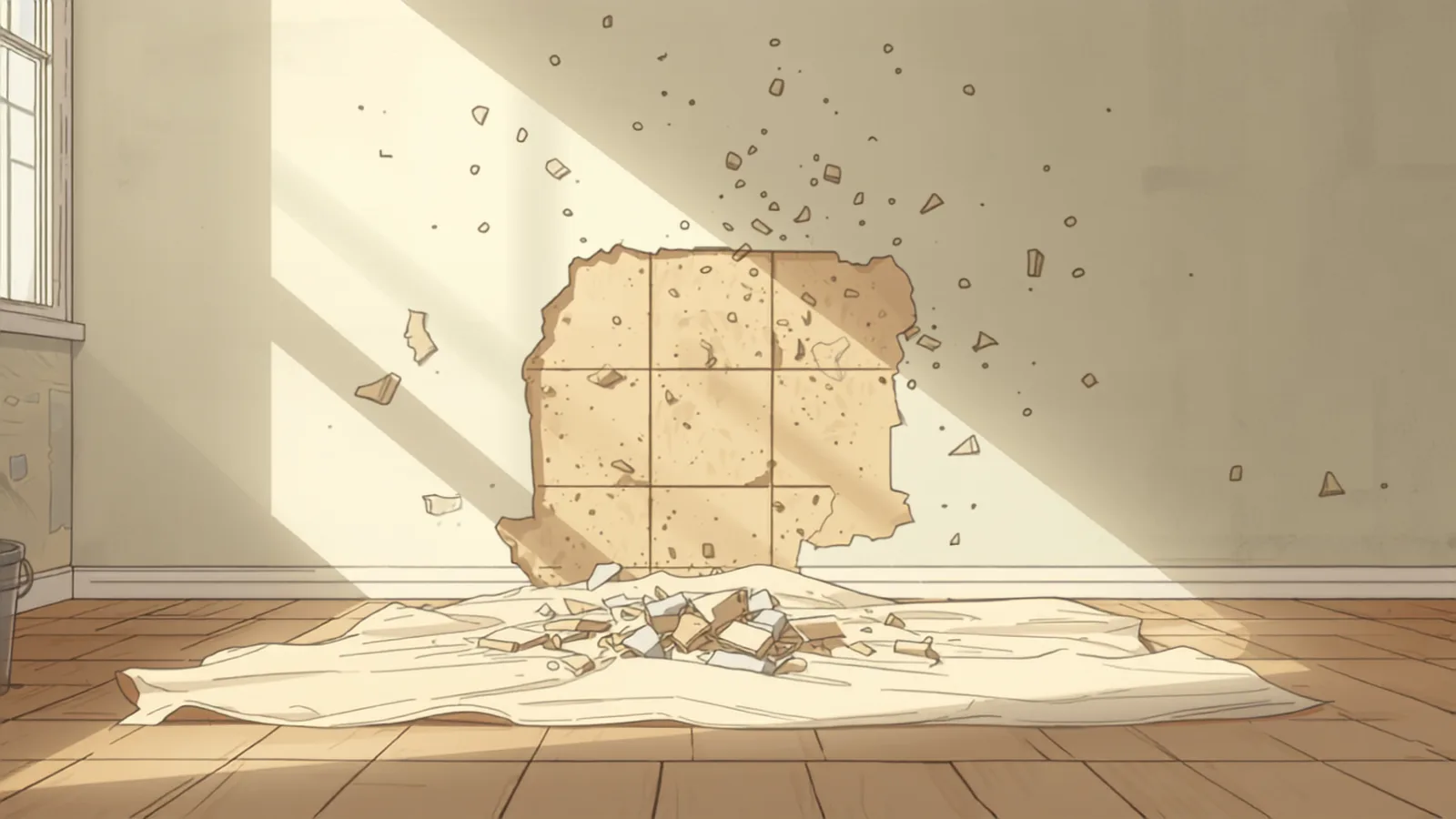
Demolition. Physically demanding but hard to do wrong, and it saves $1,075–$3,250. Two caveats: if your home predates the late 1980s, assume any sheeting could contain asbestos and get it assessed before you touch it. And book your skip in advance — bathroom waste is heavy and dense.
Painting and finishing. Low risk, decent saving, and easy to correct if you get it wrong.
Sourcing your own fixtures. This is the underrated one. Buying your own vanity, toilet, screen and tapware rather than accepting the builder's prime cost allowance can save meaningful money — provided you buy everything before the plumber does the rough-in, because fixture dimensions determine where the pipes go.
Where DIY is a false economy
Anything behind the wall. Plumbing rough-in and electrical are not just legally restricted — they are the two things that are ruinously expensive to correct after the tiles are on. The certificates a licensed trade issues also matter when you sell: unlicensed work discovered during a building inspection can hold up a sale or reduce what a buyer will pay.
Frequently asked questions
Can I renovate my own bathroom in NSW?
Partly. You can legally do demolition, painting and tiling yourself. Plumbing, drainage and electrical work must be done by appropriately licensed trades, and a waterproofing contractor needs a licence once the job is valued above the NSW licensing threshold. Building Commission NSW issues contractor licences and publishes the thresholds for when one is required.
How much does DIY actually save on a bathroom renovation?
Realistically $4,000–$8,000 on a $29,150 mid-range Wollongong bathroom, or roughly 15–25%. The saving comes from demolition, painting and tiling labour — the licensed trades still have to be paid.
Can I do my own waterproofing?
In NSW, a contractor needs a licence for waterproofing valued above the licensing threshold, and all waterproofing must meet the National Construction Code (AS 3740 or the ABCB Housing Provisions). It is also the single most common cause of bathroom failure, and a failed membrane means removing your new tiles and starting again.
Is DIY tiling a good idea in a bathroom?
It is legal and it can save $2,000–$4,000, but it carries the highest hidden risk of any DIY task in a bathroom. Tiles sit directly on the waterproofing membrane, and damaging it during laying causes a failure that will not appear for months and costs far more to fix than the labour you saved.
Does unlicensed work affect selling my house?
It can. Plumbing and electrical work carry certificates from the licensed trade that performed them. Unlicensed work found during a pre-purchase building inspection can delay a sale or reduce what a buyer is willing to pay, and it may complicate insurance claims.
← Back to Wollongong bathroom renovation cost hub