Timber window repair cost in Adelaide
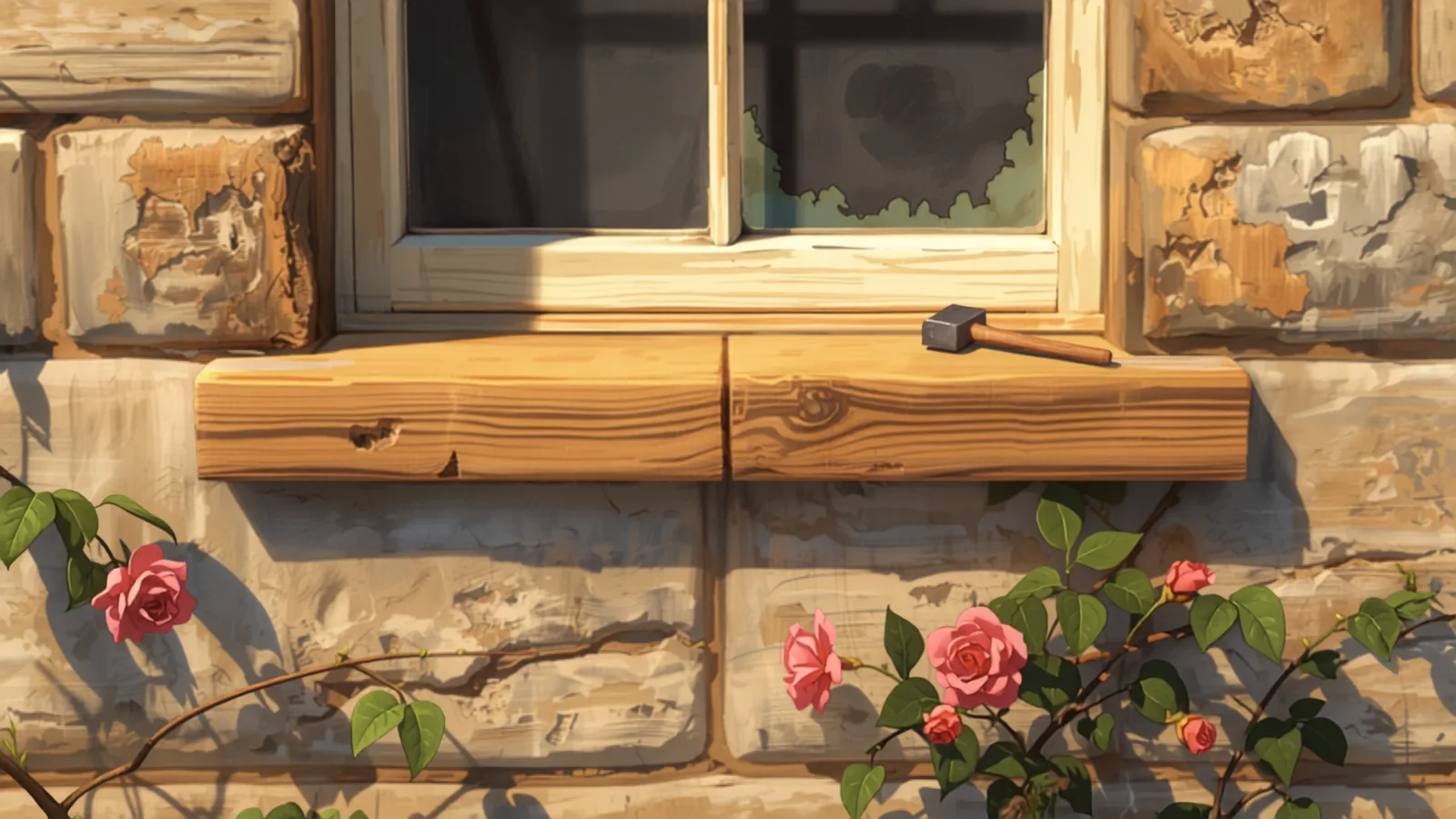
Repairing a timber window in Adelaide costs $140 to $460, with $260 typical. On the city's stone cottages and villas, repair is frequently not just cheaper than replacement but the only option available to you.
What timber window repair costs
- Timber window repair — $140 to $460 per window, typically $260. Covers sash cord replacement, sill and jamb repairs, re-puttying, easing and adjustment.
- Full day of carpentry — $370 to $830. Most repair jobs run several windows in a visit rather than one.
- Carpentry hourly — $51 to $120, typically $78. Window repair is often quoted hourly because what is behind the paint is genuinely unknown until it is opened.
What actually gets repaired
- Sash cords. The most common job on a double-hung window. Cords perish, the sash stops holding position or drops. Replacing them means removing the beads and the sash and re-cording over the pulleys — fiddly, not expensive, and it restores a window that was otherwise painted shut for a decade.
- Sills. The first thing to rot, because it takes the weather. A sound sill with surface damage can be cut back and filled; a soft one needs a section spliced in or the whole sill replaced.
- Jambs and stiles. Localised rot at the bottom of a frame, usually spliced with new timber rather than replaced entirely.
- Putty and glazing beads. Perished putty lets water into the timber and is the cause behind a lot of what looks like frame failure. Re-puttying is cheap and prevents the expensive version.
- Easing and adjustment. Windows that bind, will not close, or have been painted shut. Often the cheapest visit you will ever book.
Why Adelaide repairs rather than replaces
Two reasons, and the first one is not about money.
Large parts of Adelaide's inner suburbs sit within heritage areas or contain individually listed places — North Adelaide, Norwood, Unley, Kensington, Prospect. Where a property is heritage listed or within a historic area overlay, changes to the street-facing exterior can require development approval, and swapping original timber windows for aluminium is exactly the kind of change that attracts scrutiny. Repair usually does not need approval; replacement may. Check with your council before assuming you have a free choice.
The second reason is the timber. Windows in that stock are typically Baltic pine, jarrah or red gum, milled from old-growth stock with tight grain that is simply not available now. A hundred-year-old jarrah frame with a rotten sill is a frame with one bad part, not a frame at the end of its life. Splicing in a new section preserves something a replacement cannot match.
What does the damage here is climate rather than age. Adelaide's long dry summers and wet winters cycle timber through repeated shrinking and swelling, opening joints and cracking paint. Water gets into the gap, sits over winter, and rot starts at the joint. Western elevations take the worst of it.
Telling rot from surface damage
This determines whether you are booking a $140 visit or a $460 one, and you can check it yourself.
Press a screwdriver into the timber at the bottom of the sill and the bottom corners of the frame — the three places rot starts. Sound timber resists. If the tip sinks in with light pressure, or the timber feels spongy, that is rot and it needs cutting out. Flaking paint, grey weathered surface and fine surface checking are not rot; they are a preparation and painting job.
Two more signs worth catching early: dark staining spreading upward from the sill, and joints that have opened enough to see daylight or push a blade into. Both mean water is getting in, and both are far cheaper addressed now than next winter.
A worked example: three windows on a west wall
A 1920s bungalow in Adelaide's inner north-east. Three double-hung windows on the western elevation, all showing the same pattern — the wall that takes the afternoon sun and the driving winter rain.
Window one: sashes will not stay up, cords perished. Sound timber throughout. Re-cording both sashes and easing the runs — the bottom of the band, near $140.
Window two: same cord problem plus a soft patch about 200mm along the sill and perished putty on the lower sash. Cut out and splice the sill section, re-putty, re-cord — mid band, near $260.
Window three: rot through the sill and into the bottom of both jambs, with staining rising up the frame. Splicing in three sections and re-puttying the whole unit — top of the band, near $460.
Booked individually across three visits, that is $140 + $260 + $460 = $860 plus three lots of travel and three minimum callouts. Booked as one job, most Adelaide carpenters will do all three inside a long day at $370 to $830, because the beads are already off and the method is set by the second window. The saving is most of a window's worth of work.
Note what drives it: same wall, same age, same original timber, and a three-fold difference in cost driven entirely by how far the water got before anyone looked.
When replacement wins
Repair is usually the better answer on this housing stock, but not always.
Replace when rot has spread through the frame rather than sitting in one section, when the window has been so heavily filled in the past that there is little sound timber left, or when a previous repair used the wrong materials and the damage is now behind it. Replace also when the window is not original — a 1970s aluminium unit in a 1920s bungalow has no heritage value and no old-growth timber to save.
Where replacement is the answer on a heritage property, a like-for-like timber replacement in the original profile is usually what a council will accept, and full frame replacement sits well above the repair band quoted here — it is a different scope, not a dearer version of the same job. That gap is the single strongest argument for repairing early rather than waiting.
Draughts, heat and secondary glazing
The reason most people finally call about their timber windows is not rot, it is comfort. A west-facing 1920s bungalow in Adelaide is unpleasant on a February afternoon and draughty in July, and the windows are usually blamed for both.
Some of that is fixable as part of an ordinary repair visit and costs almost nothing extra. Draught sealing — brush seals in the sash runs, compression seals at the meeting rail — closes the gaps that open as old frames move, and it is far more effective than people expect. So is re-puttying, since perished putty leaks air as well as water. If a carpenter is already re-cording a sash, sealing it at the same time is minutes rather than hours.
Double glazing is the other answer, and on heritage windows it is rarely the straightforward one. Retrofitting sealed units into original sashes means routing out the rebate, and slim units heavy enough to matter often need the sash rebuilt to carry them. Where a property is heritage listed or in a historic area overlay, altering the street-facing sashes may also need approval — the same consideration that governs replacement.
Secondary glazing sidesteps most of that. A second pane is mounted on the inside of the existing frame, the original window is untouched and stays visible from the street, and it can usually be removed without trace. It is generally the option that satisfies both a heritage overlay and a cold room, and it is worth pricing before anyone quotes you for replacement windows on thermal grounds.
Order matters here. Seal and repair first, live with it through a season, then decide about glazing. A properly sealed original window is a different thing to live with than the one you have now, and it may settle the question without further spending.
What is not included
- Painting. Repairs are left ready for finishing. Full preparation and top coats is a separate trade and, on windows, a substantial one.
- Glazing. Replacing broken glass is a glazier's job. Re-puttying existing glass is carpentry.
- Lead paint. Homes built before 1970 may have it, and disturbing it carries its own handling requirements. Raise it before work starts — it affects both method and cost.
- Hardware. Original latches, fasteners and pulleys can often be reused; replacements in matching styles are a separate supply cost.
Doing them together
Window repair is the strongest case in this whole trade for batching, and the worked example above shows why. Travel, setup, ladder or trestle work and the minimum callout are the same for one window as for eight, and once a carpenter has the beads off one sash the next is faster.
Walk the house before you call anyone. List every window that sticks, rattles, will not stay up, or has soft timber at the sill, and book the list rather than the worst one. The reasoning behind that — and when hourly beats a fixed price on work nobody can scope in advance — is set out in our carpenter hourly rate guide.
One last thing worth doing at the same time: if the frames are being worked on, that is the moment to sort the architraves around them rather than after the painting is done. Figures are in our skirting and architrave cost guide.
Frequently asked questions
How much does it cost to repair a timber window in Adelaide?
$140 to $460 per window, typically $260. Sash cord replacement and easing sit at the lower end; sill and frame splicing at the upper. Several windows in one visit is often cheaper booked as a day at $370 to $830.
Can I replace timber windows with aluminium in a heritage area?
Possibly not without approval. Where a property is heritage listed or within a historic area overlay, changes to the street-facing exterior can require development approval, and replacing original timber with aluminium is exactly that kind of change. Check with your council first.
How do I tell if my window frame is rotten?
Press a screwdriver into the bottom of the sill and the bottom corners of the frame. Sound timber resists; if the tip sinks in or the timber feels spongy, that is rot. Flaking paint and grey weathering are surface issues, not rot.
Why do timber windows in Adelaide rot at the sill?
Long dry summers and wet winters cycle the timber through repeated shrinking and swelling, opening joints and cracking paint. Water enters the gap, sits through winter, and rot starts at the joint. Western elevations take the worst of it.
Is repairing an old timber window worth it?
Usually. The timber in Adelaide's older stock is typically Baltic pine, jarrah or red gum from old-growth milling that cannot be bought now, so a frame with one rotten section is a frame with one bad part, not one at the end of its life.
← Back to Adelaide carpenter cost guide hub