Skirting and architrave cost per metre in Adelaide
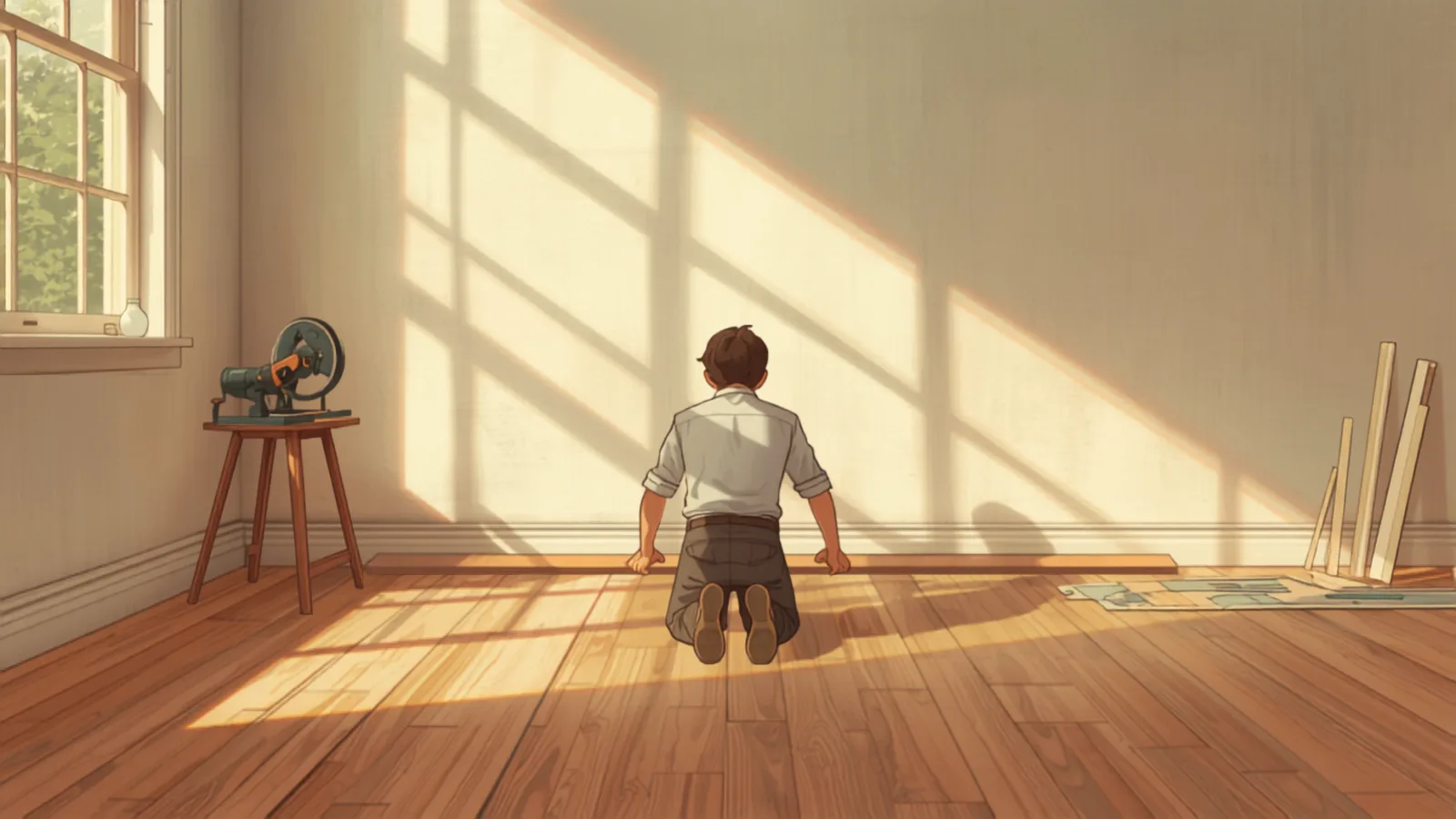
Skirting runs $18 to $51 per linear metre in Adelaide supplied and fitted, typically $28. Architraves are $9 to $41, typically $17. Both are priced by the metre, which makes this the one carpentry job you can estimate yourself before anyone visits.
The rates
- Skirting — $18 to $51 per linear metre, typically $28, supplied and fitted.
- Architraves — $9 to $41 per linear metre, typically $17, supplied and fitted.
- Full day of carpentry — $370 to $830, which is how larger jobs are often priced instead.
Working out your own metres
This is the rare job where you can arrive at a defensible number before a carpenter walks in.
Skirting: measure the perimeter of each room and subtract door openings. A 4 by 4 metre bedroom is 16 metres of perimeter; take off roughly 0.9 metres for the doorway and you have about 15 metres. At the typical $28 a metre that is 15 × $28 = $420 for the room, supplied and fitted ($270–$765 across the range).
Architraves: a standard internal door opening takes roughly 5 metres — two sides at about 2.1 metres each, plus the head at about 0.9. At the typical $17 a metre that is 5 × $17 = $85 per doorway, and most quotes count doorways rather than metres for exactly that reason.
Add ten per cent for waste. Mitres, offcuts and the occasional bad length are real, and any carpenter has allowed for it in their own figure.
What moves you along the range
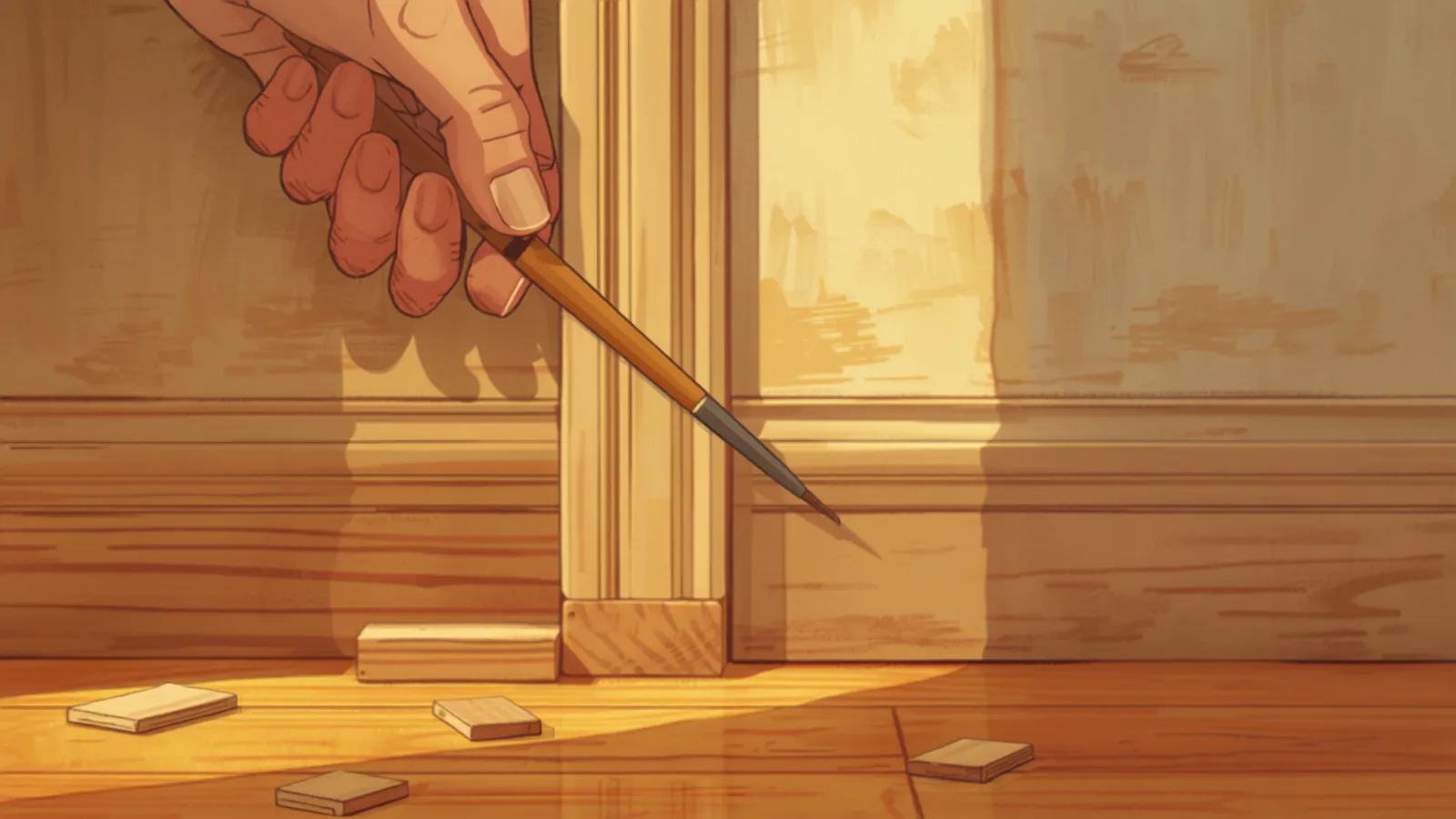
- Material. Primed MDF is the default and sits at the bottom — stable, cheap, takes a finish beautifully, and unforgiving of moisture. Pine costs more. Hardwood and heritage profiles cost more again.
- Height and profile. A 68mm pencil-round is quick. A 185mm bullnose or a moulded colonial profile is heavier, more expensive per metre, and slower to cut and fix.
- Removing the old. Stripping existing skirting, pulling nails and making good the wall is often half the labour. Fitting into a new build or a stripped room is faster than replacing in an occupied one.
- Wall condition. Straight plasterboard takes skirting fast. Rendered stone and old lath walls need scribing, packing and filling along the whole run.
- Room complexity. Every internal and external corner is a mitre or a scribe. A room with a bay, a chimney breast and two doorways has many times the cuts of a plain rectangle at the same metre count.
Matching a heritage profile in Adelaide
This is where Adelaide quotes diverge from a national average, and it is worth understanding before you compare.
The city's inner suburbs — North Adelaide, Norwood, Unley, Prospect, Goodwood — are dominated by stone villas, bungalows and cottages with tall, elaborate skirting and architrave profiles. Some run 200mm or more with several moulded elements. Nothing sold at a hardware chain matches them, so a room done in modern stock next to an original room looks visibly wrong.
Three options, in rising order of cost. A close modern equivalent from a specialist timber supplier is the cheapest and the usual answer. A custom-run profile, milled to a sample of your existing board, is dearer per metre but exact. And salvaged original timber from a demolition yard sits somewhere between, with the caveat that lengths are unpredictable and it needs cleaning up before it goes on the wall.
Two practical points. Take a physical offcut to the supplier rather than a photograph — profiles that look identical in a picture rarely are. And if your home is in a heritage area or has a heritage listing, internal profiles are generally not controlled, but confirm rather than assume, particularly on anything affecting the exterior.
MDF or timber?
For most Adelaide homes, primed MDF is the right answer where the skirting will be painted. It is straight, stable, holds a finish better than pine, and costs less. It has one real weakness: it swells irreversibly if it gets wet, so it is a poor choice in wet areas or anywhere prone to flooding.
Timber earns its place where the boards are being stained or clear-finished, where the profile is being custom-milled, or where you are matching original hardwood. It also holds up to knocks better in a hallway or a house with dogs and children.
One thing worth knowing about older Adelaide stock: the original skirting is frequently Baltic pine or jarrah and is often in better condition than it looks under six coats. Stripping and reinstating can cost less than replacing and keeps the profile you already have.
Where the two jobs differ
Skirting and architraves get quoted together and priced similarly, but they are not the same work.
Skirting is long runs against walls that are rarely straight. Most of the skill is in scribing to the floor and the wall, and most of the time goes into the corners — internal corners are properly scribed rather than mitred, because a mitre opens up as the house moves and a scribe does not. On Adelaide's reactive clay soils that distinction matters more than it does in most cities.
Architraves are short lengths around openings where the accuracy demand is higher and more visible. Three mitres per doorway, all at eye level, all next to each other. A carpenter can hide a slightly imperfect skirting corner behind furniture; nobody hides a bad architrave mitre.
That is why architraves price lower per metre but not proportionally lower per job — there are fewer metres and more cuts. A doorway at roughly 5 metres — $85 at the typical rate — is a half-hour to an hour of careful work, not a quick one.
Cornices, and where the plasterer starts
Cornice sits in the same pillar line as architraves and gets quoted at the same per-metre rates, but it is frequently not a carpenter's job at all.
Plaster cornice — the coved profile in most Australian homes, including nearly all of Adelaide's pre-war stock — is a plasterer's work. It is bedded in adhesive, jointed and sanded, and repairing an original run means matching a profile that may not be made any more. Timber cornice and moulded picture rails are carpentry. So is a shadowline detail where the wall meets the ceiling, since that is a setting-out job rather than a plastering one.
The distinction matters when you are collecting quotes, because a carpenter pricing "cornice" and a plasterer pricing it are not describing the same work. In older Adelaide homes with deep decorative cornices, assume plasterer unless someone has looked and said otherwise. Where both trades are involved — new skirting from a carpenter, cornice repair from a plasterer — sequencing them in the right order saves a return visit.
Scotia and quad: the cheap way out
There is a middle option between living with tired skirting and replacing it, and it is worth knowing before you commit to the full job.
Scotia or quad is a small moulding fixed into the joint where the skirting meets the floor. It costs a fraction of new skirting because the existing boards stay on the wall, and it solves the specific problem of gaps opening at floor level — which on Adelaide's reactive clay soils is the most common complaint about skirting that is otherwise perfectly sound. New flooring installers use it routinely for the same reason.
Where it works: sound skirting with a gap underneath, or a floor that has been replaced and left an edge to cover. Where it does not: damaged or water-swollen boards, a profile you actively dislike, or a room where the skirting is too low for the ceiling height. Scotia hides a gap; it does not fix a board.
A worked example: one room, two ways
A 4 by 4 metre Adelaide bedroom with one doorway, in a 1930s bungalow with original 150mm skirting.
Full replacement in a matched profile. About 15 metres of skirting. A custom-run or specialist-supplied heritage profile puts you at the top of the range: 15 × $51 = $765, plus the doorway architrave at up to $41 a metre, 5 × $41 = $205. That is about $970 before removing the old boards, making good the plaster and painting, which are quoted on the job.
Keep and repair. The original boards are jarrah under six coats and structurally fine; the problem is a 10mm gap at the floor and two damaged sections near the door. Scotia through the room, two spliced repairs, and easing where the boards have lifted — several hours of carpentry at $78 an hour plus materials, including the moulding.
Both are defensible. The second keeps a profile you cannot buy and costs far less. The first is the answer if the boards themselves have gone, or if you are doing the whole house and want it uniform. What settles it is the condition of the timber, not the size of the gap.
What is not included
- Painting. Skirting arrives primed, not finished. Gap-filling, caulking the top edge and two topcoats is a separate trade and a separate cost.
- Wall repair. Removing old skirting frequently pulls plaster with it. Patching is either the carpenter's making good or a plasterer's job — ask which.
- Flooring interaction. Skirting normally goes on after flooring. If yours is being replaced, sequence matters, and doing skirting first usually costs you money.
- Waste removal. Old boards from a whole house fill a skip.
Doing it room by room, or all at once
Skirting is the clearest case for doing a house in one hit. The setup — saw station, compressor, dust management — takes the same time for one room as for six, and per-metre rates almost always improve with volume. A carpenter quoting a whole house will typically come in under the per-metre figure they would give for a single bedroom.
If the budget only stretches to part of the house, do complete zones rather than scattered rooms. Skirting that changes profile at a doorway is obvious; skirting that changes between the bedroom wing and the living areas is not. That reasoning applies to doorways too — new architraves usually accompany new or rehung doors, and the figures for that are in our door hanging and installation cost guide. If you are weighing a per-metre quote against a day rate, our carpenter hourly rate guide sets out when each one wins.
Frequently asked questions
How much does skirting cost per metre in Adelaide?
$18 to $51 per linear metre supplied and fitted, typically $28. Architraves are $9 to $41 per metre, typically $17. A standard 4 by 4 metre bedroom is around 15 metres of skirting, or about $420 at the typical rate (15 × $28).
How do I measure how much skirting I need?
Measure each room's perimeter and subtract door openings, then add about ten per cent for waste. A standard internal doorway takes roughly 5 metres of architrave — two sides at 2.1 metres plus a 0.9 metre head.
Can I match the skirting in an old Adelaide home?
Usually, in one of three ways: a close modern equivalent from a specialist timber supplier, a custom-milled profile matched to a sample of your existing board, or salvaged original timber from a demolition yard. Take a physical offcut rather than a photo.
Is MDF or timber skirting better?
Primed MDF where the skirting will be painted — straighter, more stable and cheaper, though it swells permanently if it gets wet. Timber for stained finishes, custom profiles, matching original hardwood, or high-traffic areas.
Should I do the whole house at once?
If you can. Setup takes the same time for one room as for six, and per-metre rates generally improve with volume. If budget is limited, do complete zones rather than scattered rooms so the profile never changes mid-hallway.
← Back to Adelaide carpenter cost guide hub