Built-in wardrobe cost in Adelaide
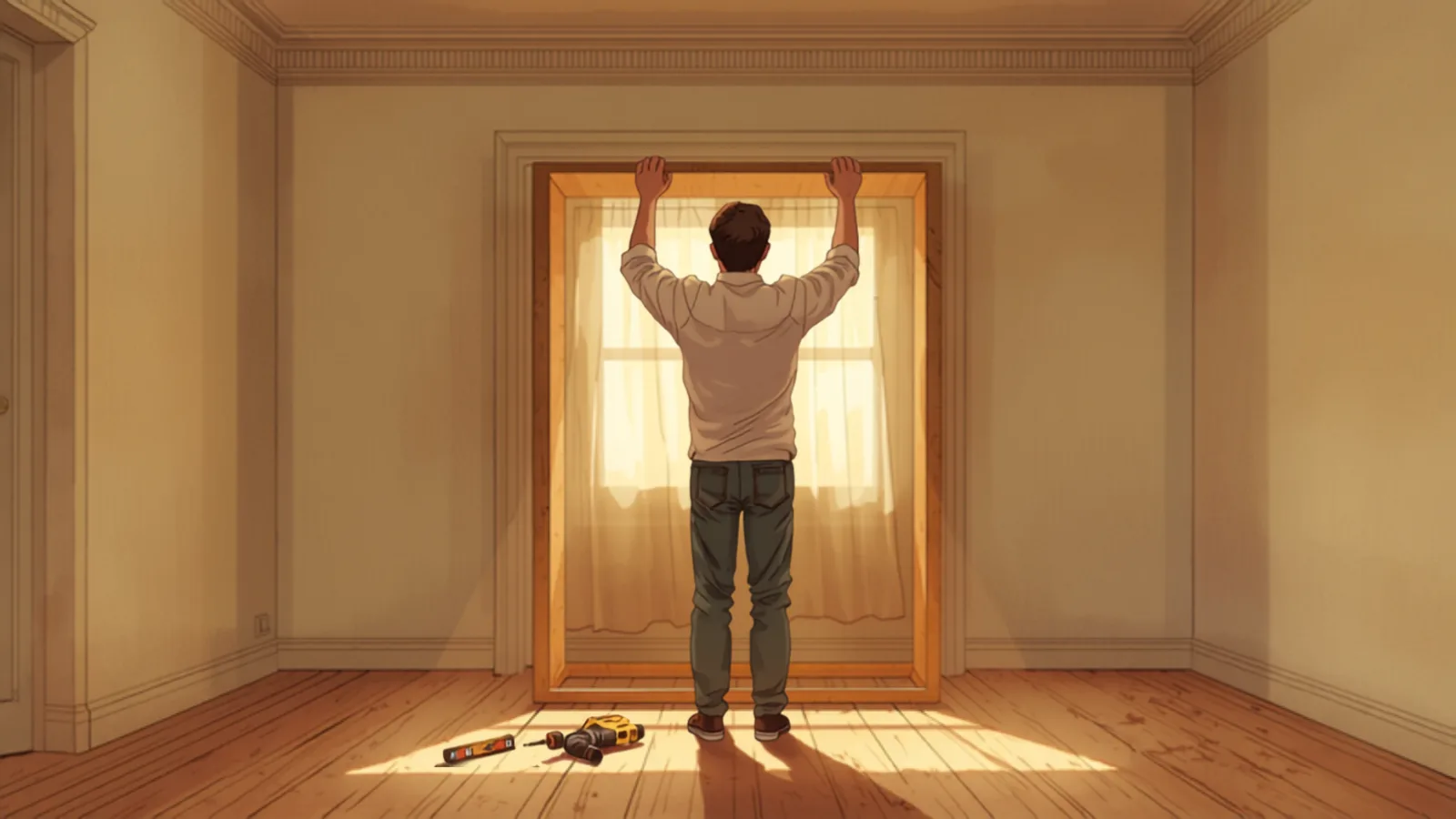
A built-in wardrobe in Adelaide costs $1,100 to $4,600 supplied and installed, with $2,300 typical. That range covers three genuinely different products, and knowing which one you are being quoted is most of the exercise.
What a built-in wardrobe costs in Adelaide
- Supply and install — $1,100 to $4,600, typically $2,300. A standard bedroom run, framed, fitted, with doors, shelving and hanging.
- Timber shelving installation — $185 to $645, typically $370. Relevant when the carcass exists and you want it fitted out properly, or for linen and pantry work.
- Full day of carpentry — $370 to $830. Most single-wardrobe installs are a one to two day job.
Three different products at three prices
The reason the band is so wide is that "built-in wardrobe" describes three things.
- Flat-pack, installed — the bottom of the range. A modular kit fitted into the opening by a carpenter. Fast, predictable, and fine where the walls are square and the dimensions suit. What you save on the carcass you sometimes lose in fillers and scribes to hide the gaps.
- Custom carpentry — the middle, and where most Adelaide jobs land. Built to the actual opening from sheet materials, with the internals arranged for what you own. Handles out-of-square walls properly because it is made to fit them.
- Cabinetmaker joinery — the top and beyond. Made off-site to a drawing, in finished materials, with soft-close hardware and a fitted look. This is where the top of the band goes and where quotes above it start.
A quote near $1,100 and a quote near $4,600 are usually not the same job described differently. Ask which of the three you are being offered before you compare anything else.
What drives the price up
- Width. The single biggest factor. A 1.8 metre run and a 3.6 metre run are close to double the materials and well over double the doors.
- Doors. Sliding doors are cheaper to fit and cost you internal depth to the track. Hinged doors give full access and need swing clearance. Mirrored sliders cost more and weigh more, which matters on older plaster.
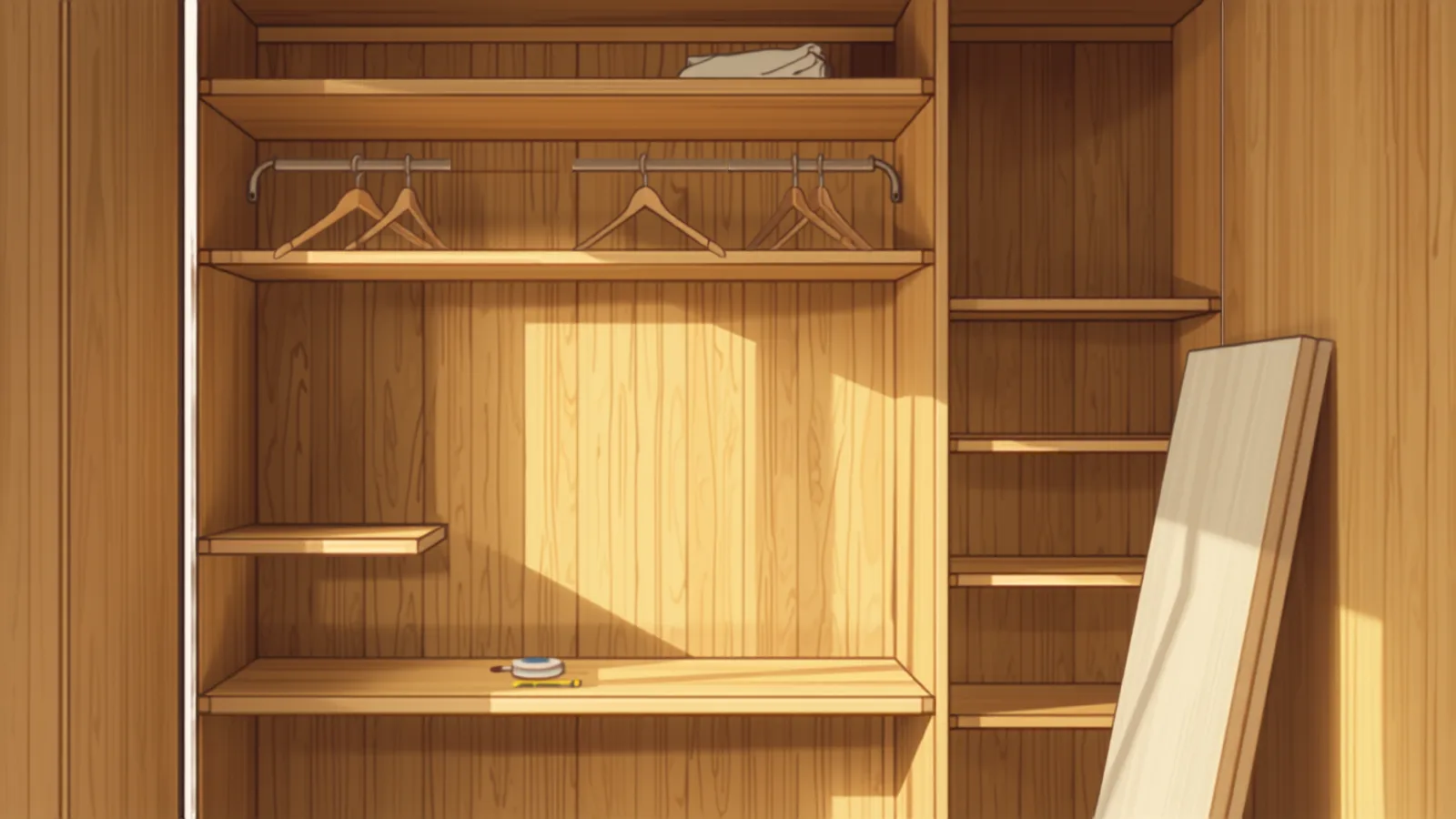
- Internals. A single hanging rail and one shelf is the base. Double hanging, drawer banks, shoe racks and shelving towers each add — drawers most of all, because a drawer is a small piece of joinery in its own right.
- Finish. Melamine board is the default and the cheapest durable option. Painted MDF needs a painter after the carpenter. Timber veneer is a different budget entirely.
- What is already there. Removing an old built-in, patching the plaster and making good the floor is usually half a day before the new work starts.
Older Adelaide bedrooms cost more
Adelaide's inner suburbs are dominated by stone cottages, villas and bungalows built between the 1880s and the 1940s, and almost none of them were built with wardrobes. Freestanding furniture was the norm, so adding a built-in means creating something the room was never designed for.
Three consequences show up on the quote. Walls in that stock are rarely plumb or straight, so a flat-pack kit will not sit tight and every edge needs scribing and filling — precisely the work custom carpentry does well and flat-pack does badly. Ceilings are high, often 3 metres or more, so a wardrobe either stops well short and looks stranded or runs full height and costs more in materials and doors. And skirting, picture rails and architraves usually have to come off and go back, which on original profiles is careful work rather than quick work.
There is also ground movement. Adelaide's reactive clay soils shift houses seasonally, and a tall run fixed rigidly wall-to-wall can bind or gap as the building moves. A carpenter who has worked on this stock will scribe and fix accordingly rather than jamming it in tight — worth asking about directly.
Do I need approval or a licence?
A built-in wardrobe is internal fit-out. It does not alter the structure or the footprint of the house, so development approval is not generally in play.
Licensing is worth a moment though. In South Australia, anyone contracting for building work needs a building work contractor's licence, whatever the job's value. Once domestic building work is above the threshold set by the regulator, the contract must be in writing, and if the work needs development approval, building indemnity insurance must be in place before work starts. A single wardrobe sits well under that. Wardrobes to three bedrooms plus a linen press, quoted together, can approach it. Whatever the size of the job, check the contractor's licence on the Consumer and Business Services public register before you pay a deposit.
Electrical is the other boundary. Lighting inside a wardrobe, or a power point relocated because the new run covers it, is a licensed electrician's work regardless of who is doing the carpentry.
Measuring what you actually need
Most wardrobes are specified by habit rather than by what goes in them, and it is the cheapest thing to get right.
Long hanging — coats, dresses, suit bags — needs about 1.5 metres of height. Short hanging — shirts, jackets, folded trousers — needs about 1 metre, which means a double-hang section fits two rails in the space one usually occupies and roughly doubles your capacity for the price of an extra rail. Standard depth is 600mm, because that is what a coat hanger needs; anything shallower forces angled hanging and anything deeper wastes floor.
Count what you own before the carpenter arrives. A household that hangs almost everything wants long hanging and few drawers; one that folds wants the opposite. Getting that split right at quoting stage costs nothing, and getting it wrong means living with a wardrobe that is technically full and practically useless.
Built-in or walk-in?
These get discussed as if they were the same decision at different budgets, and they are not. A built-in fits into an existing wall or alcove and takes no floor space you were using. A walk-in takes floor area out of the bedroom and turns it into a small room, which means framing a partition, a doorway, lining and painting before any joinery goes in — carpentry, plastering and a painter rather than a single trade.
The result is that a walk-in costs multiples of a built-in for the same amount of hanging, and in a typical Adelaide bedroom it usually delivers less storage rather than more, because circulation space inside it does not hold anything. Where it earns its keep is in a larger main bedroom that can lose two square metres without becoming awkward, or where an existing box room or study can be converted rather than carved out.
Worth knowing on older stock: the high ceilings that make a full-height built-in expensive are the same feature that makes a walk-in feel generous rather than cramped. If you have 3 metre ceilings and the floor area to spare, the calculation shifts.
Reusing what is already there
Plenty of Adelaide homes have a wardrobe that works structurally and fails at everything else — a sound carcass with one rail, one shelf and no organisation. Replacing the internals while keeping the frame and doors is a much smaller job, and at $185 to $645 for shelving installation it is the cheapest meaningful storage improvement available.
What makes that worth doing: the carcass is square and solid, the doors run properly, and the finish still matches the room. What makes it not worth doing: sagging or water-damaged board, doors that have dropped past adjustment, or a unit sized so badly that no internal layout rescues it.
Ask a carpenter to look before assuming replacement. On original built-ins in older homes it is common for the joinery to outlast three sets of internals, and keeping it preserves a fitted look that a modern replacement will not match.
What is not included
- Painting. Painted finishes need a painter after the carpenter. Melamine and veneer arrive finished.
- Flooring. Carpet or boards usually stop at the old wardrobe line. Extending them into a new footprint is a separate trade.
- Making good. Plaster patching where an old unit came out, and cornice or skirting repairs, may be quoted separately.
- Lighting. As above — electrician, not carpenter.
Comparing quotes
Five questions make two wardrobe quotes comparable:
- Flat-pack, custom-built or cabinetmaker joinery — named explicitly
- Materials and finish, and whether painting is included or assumed
- The internal layout — how much hanging, how many shelves, how many drawers
- Door type, and whether the track and hardware are specified
- Removal of the existing unit and making good, in or out
That last one catches people out most often, because the old wardrobe is invisible in a quote until the day it needs to leave. If several rooms are being done, ask about doing them in one visit — the saving is the same one that applies across the trade, and the reasoning is in our carpenter hourly rate guide. Skirting and architrave work around a new run is covered in our skirting and architrave cost guide.
Frequently asked questions
How much does a built-in wardrobe cost in Adelaide?
$1,100 to $4,600 supplied and installed, with $2,300 typical. The range spans three different products — installed flat-pack at the bottom, custom carpentry in the middle, and cabinetmaker joinery at the top.
Is a custom wardrobe worth it over flat-pack?
In older Adelaide homes, usually yes. Walls in pre-1950 stock are rarely straight or plumb, and a modular kit needs fillers and scribes to hide the gaps. Custom carpentry is built to the opening as it actually is.
How long does a built-in wardrobe take to install?
One to two days for a single bedroom run, at $370 to $830 a day. Removing an existing unit and making good the plaster typically adds half a day before the new work starts.
Why do wardrobes cost more in older Adelaide homes?
The rooms were never designed for them. Walls are out of plumb, ceilings are often 3 metres or more so a run costs more in materials and doors, and skirting and architraves usually have to come off and go back on original profiles.
How deep should a built-in wardrobe be?
About 600mm, which is what a coat hanger needs. Shallower forces angled hanging; deeper wastes floor. Long hanging needs roughly 1.5 metres of height and short hanging about 1 metre, so a double-hang section roughly doubles capacity in the same space.
← Back to Adelaide carpenter cost guide hub