Roof Inspection Costs: The Cheapest Document in Roofing
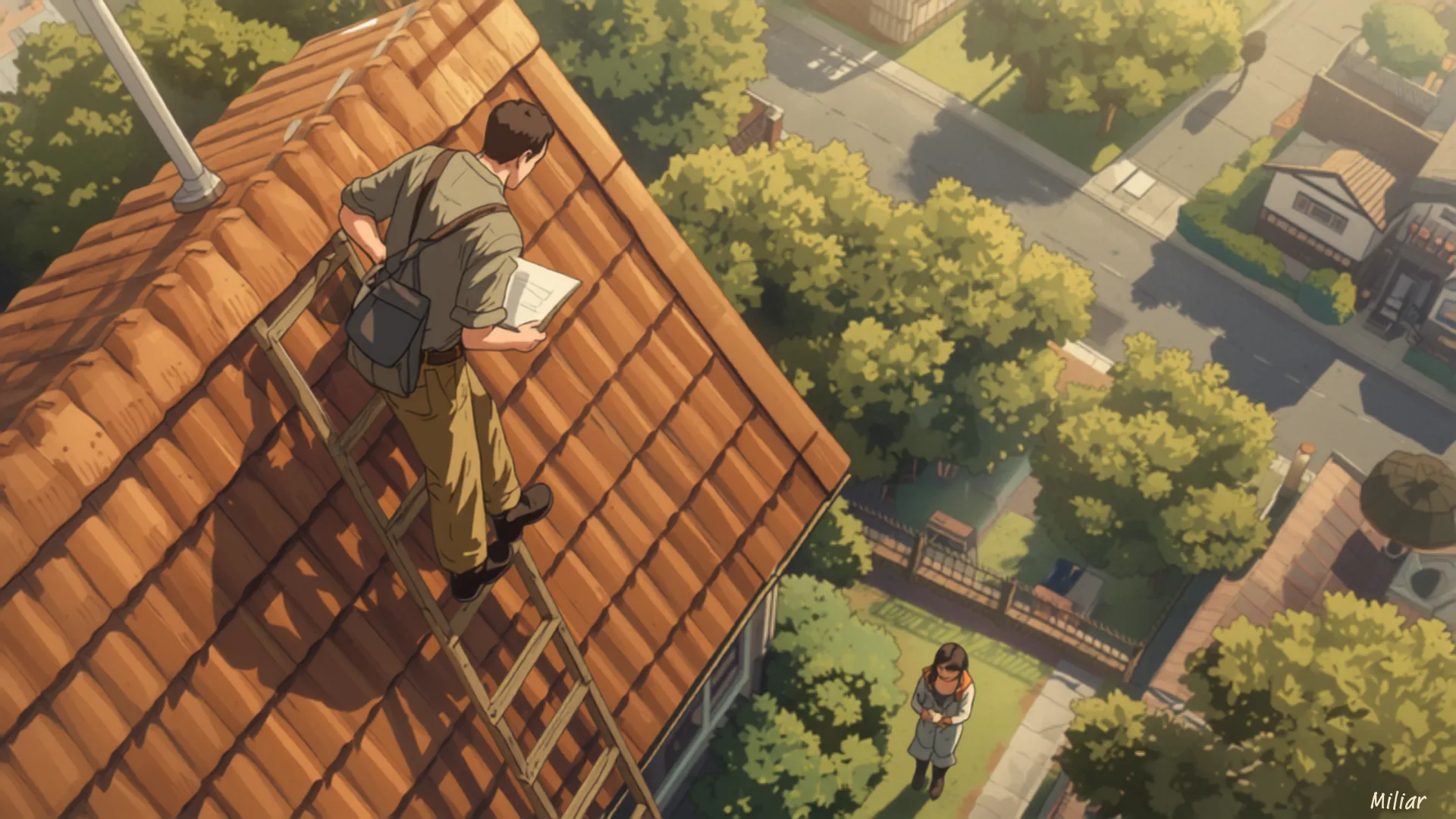
Nobody looks at their own roof, which is why the people who do earn their fee so easily. What's The Damage's October 2026 re-verification across 90+ sources puts a roof inspection at $200–$500 nationally, with $350 typical — the cheapest document in roofing, and the one that pays for itself at purchase time, after storms, and before every big quote. Here's what a proper one covers.
What an inspection costs, and what it is
A roof inspection is a professional condition assessment with a written outcome: what's up there, what state it's in, what needs doing now, and what's coming. Nationally it runs $200–$500 with $350 typical, which makes it the cheapest document in roofing — and pound for pound the highest-leverage one, because every expensive roofing decision improves when it starts from evidence. Nobody looks at their own roof; it's the largest surface of the house and the least observed, which is exactly why paying a professional to look, on your behalf and in writing, returns so reliably.
| Job | Low | Typical | High |
|---|---|---|---|
| Roof inspection / report | $200 | $350 | $500 |
| Roof repair — minor leak (context) | $250 | $500 | $800 |
| Ridge capping repair (context) | $400 | $600 | $1,200 |
What a proper inspection covers
A genuine inspection reads the whole system, not just the view from the gutter. On the surface: the field of tiles or sheeting for cracks, slippage, corrosion and wear; ridge capping and its bedding; every flashing at chimneys, walls and penetrations; valleys and their condition; sealants and fixings. At the edges: fascia condition and the state of drainage paths. Where access allows, inside the roof cavity: water trails on timber, daylight where daylight shouldn't be, sarking condition, and the early signatures of leaks that haven't reached a ceiling yet. The deliverable is a written report — photos, findings, prioritised recommendations, and ideally indicative costs — because "I had a bloke look at it" is not a document, and documents are the point.
When to book one
Four moments earn the fee outright. Pre-purchase: the roof is one of the biggest-ticket systems in any home, and a $200–$500 look before you buy is among the best-value checks in the entire buying process. Post-storm: after serious wind or hail, an inspection either clears the roof or documents damage while it's fresh — precisely what an insurance conversation wants. Pre-quote: before signing any restoration or replacement, an independent condition report tells you which side of that decision you're actually on, and keeps the quote honest. And the maintenance rhythm: an ageing roof checked every couple of years converts surprises into scheduled line items. The common thread is timing — inspections pay best just before decisions and just after weather.

How inspections happen: boots, drones and both
The traditional inspection is physical — ladder, harness where warranted, hands on the ridge capping and eyes in the cavity — and it remains the gold standard because touch finds what lenses miss: the drummy tile, the soft pointing, the flashing that lifts under a thumb. Drone inspection has earned a real place alongside it, especially for steep, high, fragile or frankly dangerous roofs, delivering complete photographic coverage without a boot on a brittle tile. The best modern practice is often both: drone for the full-surface record, physical for the diagnostic touch points and the cavity. What matters less than the method is the output — comprehensive imagery and a written assessment you can hand to the next person in the chain, whoever that turns out to be.
The report as leverage
The document outlives the visit, and its value compounds in every negotiation that follows. Quoting repairs or restoration? Trades quote sharper and scope tighter against a report that already names the problems — vagueness is expensive, and the report deletes it. Buying? Findings become settlement conversations. Claiming? A dated pre-storm or post-storm condition record is the difference between demonstrating damage and asserting it — insurers respond to the documented event, not the undocumented decline. Selling? A recent clean inspection preempts the buyer's building-report scare. Even doing nothing, the report converts the roof from an unknown into a maintenance schedule. Few hundred-dollar purchases negotiate on your behalf this many times.
Free inspections, and what they're selling
The free roof inspection is one of the trade's oldest funnels, and it's worth understanding rather than demonising. A roofer offering free looks is prospecting for work — sometimes honestly, sometimes with a ladder and a list of urgent problems that grows to fit the visit. The structural issue isn't dishonesty; it's incentive: the free inspector is paid only if something is wrong. The paid independent inspection inverts that — the fee is the product, the finding is whatever the roof actually shows, and "it's in good shape, see you in two years" is a perfectly profitable outcome for the inspector. The practical rule: use free inspections to gather opinions when you already know work is coming; pay for independence when the answer will steer real money. On five-figure decisions, $200–$500 for an assessor with no stake in the answer is the best-priced neutrality in the industry.
Reading the findings without panic
Inspection reports find things — that's their job — and the skill on the owner's side is triage, not alarm. Expect three tiers in any honest report: do-now items where water is or will shortly be involved (a failed flashing, cracked tiles over a living area, ridge bedding open to the weather — the $250–$1,200 class of fixes that stop damage cheaply); monitor items ageing on a known clock (pointing that's weathering, coatings dulling, sealants mid-life); and noted items that are simply the roof's age telling its story. A report that's all red flags with no priorities is a sales letter; a good one reads like a maintenance plan with dates. File it with the house papers, action tier one, diarise tier two — and enjoy the rare feeling of knowing exactly what the biggest surface of your home is doing up there.
You're in.
A local installer will be in touch about your job. No spam, no middleman.
Roofing cost in your city
Verified October 2026 ranges — tap your city for the full local guide.
Frequently asked questions
How much does a roof inspection cost in Australia?
A roof inspection runs $200–$500 nationally with $350 typical, per What's The Damage's October 2026 re-verification across 90+ sources — a professional condition assessment with a written report covering the surface, flashings, ridge capping, valleys and, where accessible, the roof cavity.
When should I get a roof inspection?
Four moments earn the fee outright: pre-purchase (the roof is one of a home's biggest-ticket systems), post-storm (clearing the roof or documenting damage while it's fresh), pre-quote (before signing any restoration or replacement), and every couple of years on ageing roofs to convert surprises into scheduled maintenance.
What does a roof inspection report include?
Photos, findings and prioritised recommendations — the surface field, ridge capping and bedding, every flashing, valleys, sealants and fixings, plus cavity checks for water trails and daylight where access allows. A report that's all red flags with no priorities is a sales letter; a good one reads like a maintenance plan.
Are drone roof inspections any good?
Genuinely — especially for steep, high or fragile roofs, delivering complete photographic coverage without a boot on a brittle tile. The gold standard is often both: drone for the full-surface record, physical for the diagnostic touch points — the drummy tile, soft pointing, lifting flashing — and the cavity.
Should I trust a free roof inspection?
Understand the incentive: the free inspector is prospecting and gets paid only if something's wrong. Use free looks to gather opinions when work is already coming; pay $200–$500 for independence when the answer steers real money — an assessor with no stake in the outcome is the best-priced neutrality in roofing.
How does an inspection report help with insurance or selling?
A dated condition record turns assertions into evidence: insurers respond to documented storm damage rather than undocumented decline, buyers negotiate against findings, and a recent clean report preempts the building-inspection scare at sale. Trades also quote sharper against a report that already names the problems.
← Back to roofing cost guide hub