What does a retail shop fit-out cost in Melbourne?
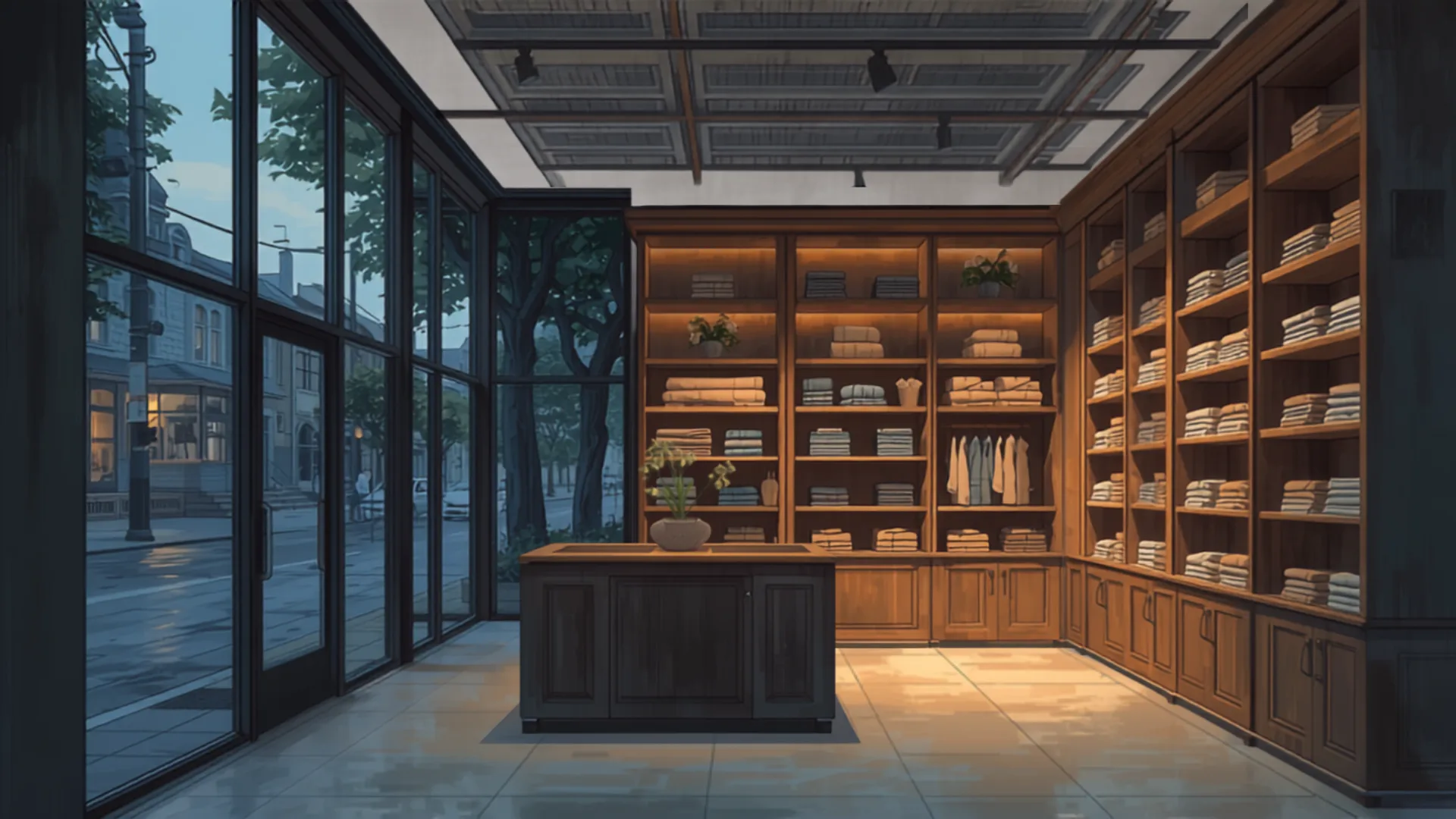
Melbourne retail shopfitting generally prices between $900 and $2,475 per square metre — but the biggest determinant is not the size of the shop or the quality of the finishes. It is whether you are commissioning a soft fit-out into a serviced tenancy or building a full shopfit out of a bare one.
The short answer
Retail shopfitting in Melbourne is generally priced between $900 and $2,475 per square metre, and the single biggest determinant is not the size of the shop or the quality of the finishes – it is whether you are commissioning a soft fit-out or a full shopfit.
| Scope | Rate | What it means |
|---|---|---|
| Soft fit-out | $300 – $1,500/m² | Furniture, fixtures and loose fittings into a tenancy that is already serviced and finished |
| Standard shopfit | $900 – $1,800/m² | Joinery, flooring, lighting, shopfront works, POS and data, signage |
| Premium or brand-led shopfit | $1,800 – $2,475+/m² | Custom joinery throughout, feature lighting, architectural shopfront, brand-specified finishes |
A soft fit-out into a tenancy that already has serviceable ceilings, lighting, flooring and a compliant shopfront is a fundamentally different project from building the same shop out of a bare tenancy. If two quotes are $1,200 per square metre apart, check the base condition assumption before you check anything else.
What a shopfit actually covers
- Shopfront and glazing. Entry doors, glazing, security, and any alteration to the facade. In a heritage overlay or a managed centre this is the most approval-heavy element of the job.
- Joinery and fixtures. Counters, display units, shelving, changing rooms, back-of-house storage. Usually the largest single trade cost.
- Flooring. Selected for wear and cleanability as much as appearance; retail traffic destroys residential-grade product quickly.
- Lighting. Retail lighting is a merchandising tool, not just illumination. Feature and track lighting to display zones is a common and worthwhile upgrade.
- Electrical and data. POS positions, security, EFTPOS, network, and the switchboard capacity to carry them.
- Signage. Fascia, window graphics and any illuminated element – frequently requiring separate approval.
- Mechanical. Heating and cooling zoned to the trading floor, which in an older strip tenancy often means a new system rather than a modification.
Shopping centre versus strip tenancy
This distinction changes both the cost and the programme, and it catches most first-time retailers.
In a managed shopping centre, the landlord issues a design brief and your documentation must be approved by centre management before you start. There are prescribed standards for shopfront construction, hoarding, signage and often specific materials. Works are typically restricted to after-hours, which carries a labour premium. You will also encounter centre-specific charges: hoarding fees, dilapidation inspections, contractor inductions, security escorts and waste handling. Collectively these can add 10 to 20 per cent to a comparable strip job.
In a strip tenancy, you deal with the council rather than centre management, and you generally have daytime access. The trade-off is building stock. Melbourne's retail strips are full of narrow, deep, single-fronted shops built well before current accessibility, energy and fire requirements – and bringing one up to standard for a change of use can cost more than the fit-out itself.
A worked example: 150 square metres
A mid-range 150 square metre shop in a Melbourne CBD or inner-suburban location, standard shopfit, ex-GST:
| Element | Indicative cost |
|---|---|
| Strip-out and preparation | $6,000 – $12,000 |
| Shopfront and entry works | $15,000 – $35,000 |
| Joinery, display and counters | $45,000 – $75,000 |
| Flooring | $12,000 – $22,000 |
| Lighting and electrical | $20,000 – $35,000 |
| Mechanical services | $12,000 – $25,000 |
| Painting and finishes | $8,000 – $15,000 |
| Signage | $5,000 – $15,000 |
| Design, permits and project management | $10,000 – $18,000 |
| Total | $133,000 – $252,000 |
You're in.
A local contractor will be in touch about your job. No spam, no middleman.
The equivalent shop in a suburban location 30 minutes from the centre of the city typically comes in 15 to 25 per cent lower, driven by easier access, cheaper labour availability and lighter building management requirements. Prime CBD retail can carry a premium of a couple of hundred dollars per square metre over a regional equivalent for the same specification.
What has moved retail pricing recently
Two input costs have pushed retail fit-out rates disproportionately compared with other commercial work.
Retail is unusually copper-dependent – electrical cabling, lighting circuit infrastructure, data cabling and refrigerant pipework all rely on it – and copper has risen sharply. A shop with heavy feature lighting and multiple POS positions feels that more than an open-plan office does.
Mechanical plant for zoned retail is frequently imported, which exposes it both to changes in tariff treatment on imported equipment and to currency movement. Where a fit-out includes a new system rather than a modification, that line item is meaningfully dearer than it was eighteen months ago.
Neither is a reason to defer a project, but both are a reason to price rather than assume, and to treat an eighteen-month-old benchmark as out of date.
Melbourne demand in 2026
Fit-out enquiry in Melbourne retail is concentrated in fashion, wellness and specialty food retail, with allied health increasingly taking strip-retail tenancies in the outer south-east and north-west growth corridors. Inner-city and inner-suburban precincts are the most active; the CBD is recovering more slowly.
For a tenant, the useful implication is negotiating position. Where vacancy is higher, landlord contributions to fit-out are more available, and a contribution is often easier to secure than an equivalent rent reduction.
Comparing quotes
Ask for a line-by-line scope schedule, a separate list of provisional sums, and an explicit statement of the base condition the price assumes. Then confirm who carries the approvals – council or centre management, signage, shopfront, change of use. On retail projects the approval work is substantial, and a quote that quietly leaves it with you is not comparable to one that does not.
Frequently asked questions
What is the difference between a soft fit-out and a full shopfit?
A soft fit-out places furniture, fixtures and loose fittings into a tenancy that is already serviced and finished — typically $300–$1,500 per square metre. A full shopfit builds the shop from the tenancy up — shopfront, joinery, flooring, lighting, electrical and signage — at $900–$2,475+ per square metre. If two quotes are far apart, check the base-condition assumption before anything else.
Does a shopping centre fit-out cost more than a strip shop?
Usually, yes. Centre-management design approvals, prescribed materials, after-hours-only works and centre charges such as hoarding fees, dilapidation inspections, inductions and security escorts collectively add 10 to 20 per cent over a comparable strip job. The strip trade-off is older building stock — bringing a pre-compliance shop up to standard for a change of use can cost more than the fit-out itself.
What does a 150m2 shop fit-out cost in Melbourne?
A mid-range 150 square metre standard shopfit in the CBD or inner suburbs totals roughly $133,000–$252,000 ex-GST, with joinery, display and counters the largest single line. An equivalent suburban shop typically comes in 15 to 25 per cent lower, driven by easier access and lighter building-management requirements.
← Back to melbourne commercial fit-out hub