What does a medical or dental fit-out cost in Melbourne?
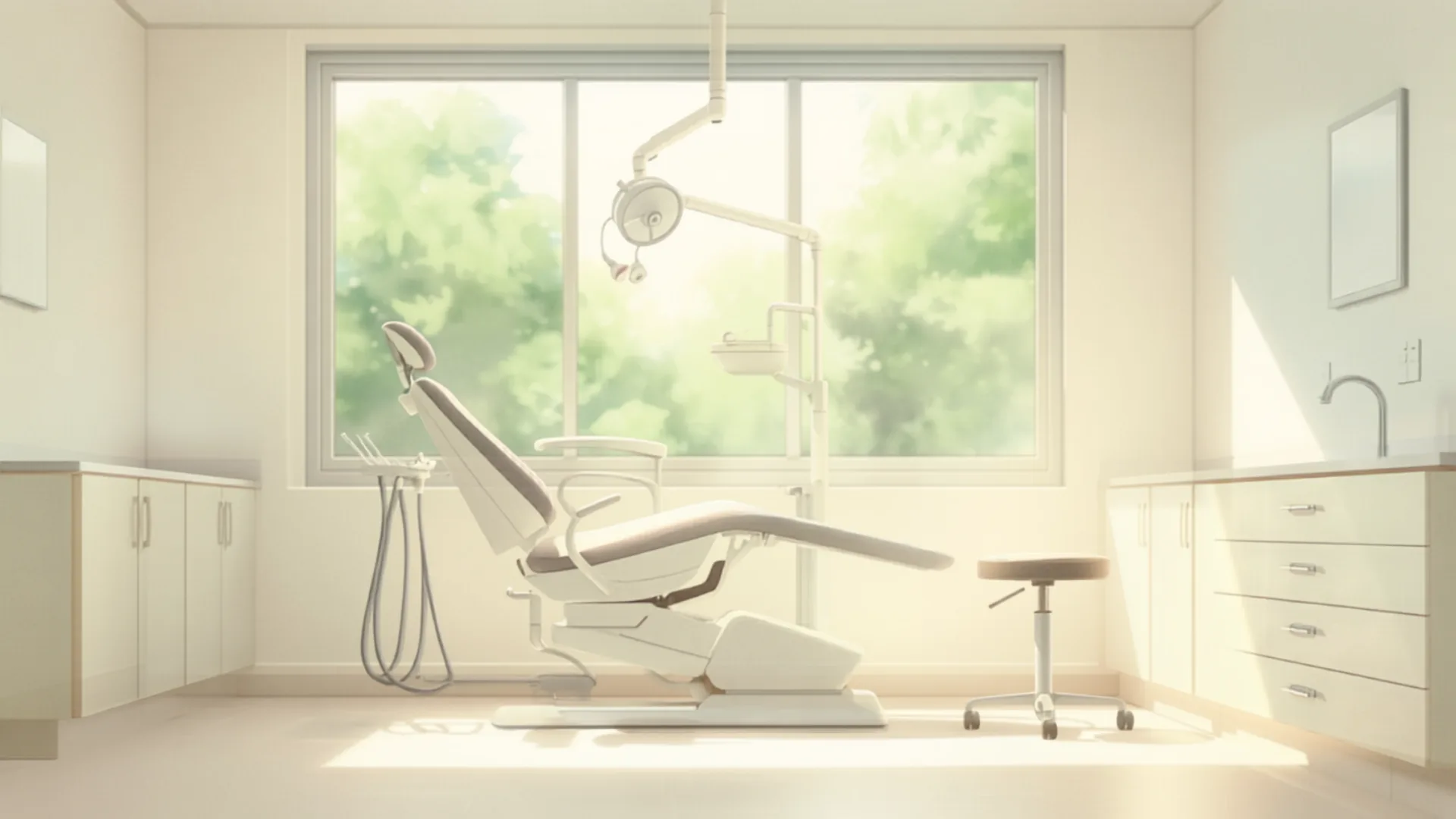
Medical and dental fit-outs in Melbourne run $1,400 to $3,500 per square metre for construction, with specialist facilities above that — and the premium over office work is not about finishes. It is regulation, and none of it is optional.
The short answer
Medical and dental fit-outs in Melbourne generally run between $1,400 and $3,500 per square metre for construction, with compliance-driven projects sitting in the upper half of that band and specialist facilities above it. Healthcare consistently prices above general commercial work, and the reason is not finishes – it is regulation.
| Practice type | Construction rate |
|---|---|
| Consulting-only clinic, warm shell tenancy | $1,400 – $2,000/m² |
| GP or allied health with treatment rooms | $1,800 – $2,800/m² |
| Dental practice | $2,200 – $3,500/m² |
| Day surgery, endoscopy, imaging | $3,500/m² and above |
Those rates cover construction and services. Clinical equipment is a separate budget, and a large one – commonly 20 to 40 per cent of total project cost, and more for imaging or procedural work.
Why medical costs more than office
A standard office fit-out is driven by design choices. A medical fit-out is driven by requirements you cannot value-engineer away: infection control, ventilation to clinical standards, hand-hygiene provision, clinical waste handling, accessible sanitary facilities, specific surface and joinery specifications, and separation of clean and dirty flows.
Every one of those adds cost that does not appear in any per-square-metre benchmark for commercial interiors, and none of them is optional. A tenancy that would take $1,200 per square metre as an office does not become a clinic for the same money.

The Class 5 to Class 9a cliff
The most significant single cost variable in healthcare fit-out is the building classification your practice falls under.
Most consulting practices – GP, allied health, dental – sit within Class 5, the same classification as a commercial office, but carrying additional health-specific requirements layered on top. Facilities where the predominant treatment renders patients non-ambulatory – day surgery, endoscopy, procedure rooms with sedation – are classified Class 9a healthcare buildings.
Class 9a imposes materially stricter obligations: fire-rated construction, additional egress provisions, accessible sanitary facilities, and specific ventilation and clinical surface requirements. A fit-out that crosses into Class 9a, or that converts a non-medical tenancy to medical use, carries a compliance cost well above a standard commercial fit-out in the same building.
Establish your classification before you sign a lease, not after a builder prices the job. It is the difference between a project and a different project.
Dental specifics
Dental sits in its own cost category, shaped by infrastructure that no other practice type needs at the same density.
- Suction and compressed air. Reticulated lines to every chair, plus a plant space to house the compressor and suction unit, acoustically treated so it does not carry into surgeries.
- Chair services. Each chair position needs water, waste, power, data and air brought to a precise location. Moving a chair position after rough-in is expensive.
- Sterilisation. A dedicated room with a defined dirty-to-clean workflow, benching, autoclave provision and appropriate ventilation.
- Radiation shielding. Lead lining to walls where imaging is installed, specified against a radiation protection assessment.
- Joinery. Clinical-grade cabinetry throughout, in materials that meet cleaning and infection control requirements.
Chair count is the practical cost driver. Each additional surgery adds services, joinery, equipment and floor area in a fixed bundle, which is why dental budgets scale in steps rather than smoothly.
What clinics actually total
| Practice | Indicative total (build + services) |
|---|---|
| Small clinic under 100m² – consulting rooms, reception, basic treatment | $100,000 – $350,000 |
| Mid-sized practice 150 – 300m² – multiple consulting and treatment rooms, staff amenities | $350,000 – $750,000 |
| Dental practice, typical Melbourne fit-out | $250,000 – $600,000 |
| Day surgery or large facility, 300m² and above | $800,000+ |
You're in.
A local contractor will be in touch about your job. No spam, no middleman.
A 150 square metre GP practice therefore starts around $300,000 for the build, before equipment; a 300 square metre specialist facility can pass $1.2 million once clinical fit-out and equipment are included.
Equipment as a separate budget
Price the build, the compliance layer and the clinical equipment as three separate budgets, then add contingency. Equipment routinely takes 20 to 40 per cent of the total, and considerably more where imaging is involved. Dental chairs alone range from $10,000 to $50,000 and above depending on specification; autoclaves run $5,000 to $15,000; imaging systems start around $20,000 and can exceed $100,000.
Two practical notes. First, equipment lead times frequently exceed construction lead times, so procurement decisions gate the opening date more often than the build does. Second, the tax treatment of equipment is worth advice from your accountant before you commit – thresholds and eligibility for immediate deduction change, and the timing of when an asset is installed and ready for use matters as much as when it is bought.
Melbourne context
Medical and allied health fit-out demand in Melbourne is growing fastest in suburban strip-retail environments and mixed-use developments in the outer south-east and north-west corridors, rather than in the traditional consulting precincts.
That growth pattern brings a specific risk. Strip-retail and mixed-use tenancies are rarely built with healthcare in mind: they may lack the ventilation capacity, accessible sanitary provision, or floor-to-ceiling height that a clinical fit-out requires, and converting them can trigger the classification issues above. The rent is attractive precisely because the conversion cost is not visible at inspection.
Managing the capital
Staging works. A practice can be built to a full clinical standard in shell and services while fitting out only the rooms needed at opening, leaving later surgeries or consulting rooms to be completed as the practice grows. The services rough-in is done once, at the efficient time, and the finishing cost is deferred.
What does not work is deferring compliance. Retrofitting ventilation, egress or shielding into a completed clinic costs several times what it costs to build in, and it takes the practice offline to do it.
Frequently asked questions
What does a dental practice fit-out cost in Melbourne?
Dental construction rates run $2,200–$3,500 per square metre, and a typical Melbourne dental practice totals $250,000–$600,000 before clinical equipment. Chair count is the real driver — each surgery adds reticulated suction and compressed air, chair services, sterilisation workflow and clinical joinery in a fixed bundle, which is why dental budgets scale in steps rather than smoothly.
Why is a medical fit-out dearer than an office fit-out?
Because it is driven by requirements you cannot value-engineer away: infection control, ventilation to clinical standards, hand-hygiene provision, clinical waste handling, accessible sanitary facilities and separation of clean and dirty flows. A tenancy that would take $1,200 per square metre as an office does not become a clinic for the same money.
What is the difference between NCC class 5 and class 9a?
Class 5 covers most consulting practices — GP, allied health, dental — under the same building classification as a commercial office, with health-specific requirements layered on top. Class 9a applies where the predominant treatment renders patients non-ambulatory, such as day surgery or endoscopy, and imposes fire-rated construction, additional egress and stricter ventilation and clinical surface requirements. Establish which applies before you sign a lease, not after a builder prices the job.
← Back to melbourne commercial fit-out hub