Planting and Garden Beds: What Soft Landscaping Really Costs
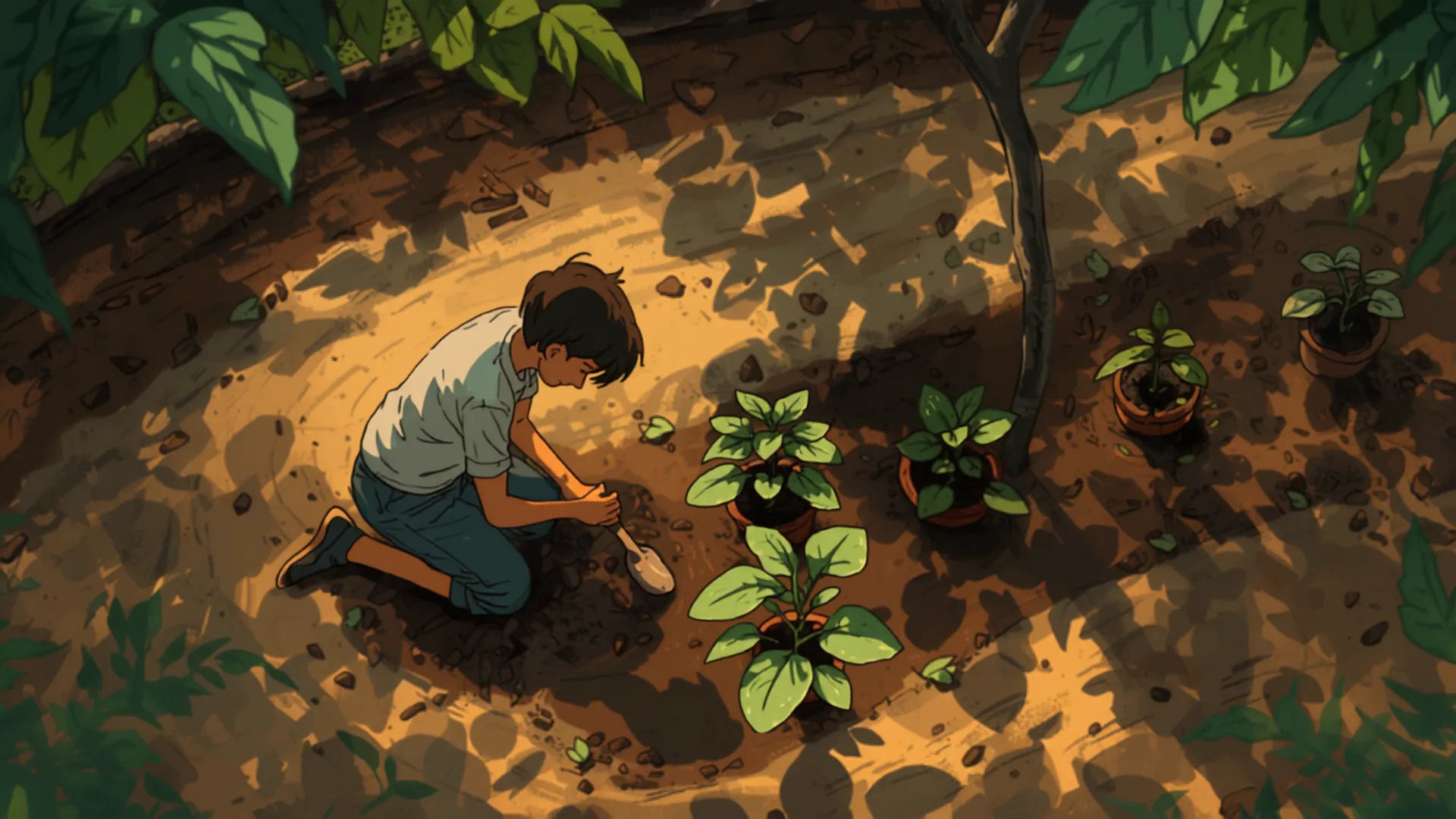
What's The Damage's October 2026 re-verification across 90+ sources puts a planted-out garden bed at $50–$180 per square metre, mulch and plants included. It's the part of a yard that turns bare ground into something that feels finished — and the part where the gap between $50 and $180 is almost entirely the choices you make. Here's where the money goes.
What a planted garden bed costs
Garden beds are priced by the square metre of finished, planted area — soil prepared, plants in, mulch down. That per-metre rate carries a wide spread, and the spread is where every decision you make shows up.
| Item | Low | Typical | High |
|---|---|---|---|
| Garden bed (plants + mulch) | $50/sqm | $100/sqm | $180/sqm |
| Landscaper — hourly rate | $55/hr | $80/hr | $110/hr |
At $50 a square metre you're looking at tube stock and basic prep; at $180 you're looking at advanced plants, deep soil improvement, quality mulch and tidy edging. A modest 30-square-metre bed therefore lands anywhere between roughly $1,500 and $5,400 depending entirely on those levers — which is good news, because almost all of them are yours to pull.
Soil is the real job
The most important part of a garden bed is the part you never see. Plants are only as good as what they're rooted in, and most Australian yards hand you either heavy clay that holds water and starves roots of air, or sand that drains so fast it holds neither water nor nutrients. Turning that into growing medium — breaking it up, blending in compost and organic matter, sometimes bringing in quality soil — is unglamorous labour at $55–$110 an hour, and it's exactly the step budget jobs skip. The result of skipping it is predictable: plants that sulk, fail and need replacing, so the "cheap" bed gets bought twice. Spending on soil is spending on everything that grows in it, and it's the single best-value dollar in the whole bed.
Plants: advanced versus patience
Plant choice is the biggest swing on the per-metre rate, and it comes down to size at purchase. Advanced plants — larger, more established specimens — give an instant, filled-in look but cost a multiple of small stock and push a bed toward the top of the range. Tube stock and small pots cost a fraction and, for many hardy species, catch up to advanced plants within a couple of seasons because younger plants establish faster and less stressed. The honest trade-off is money versus patience: pay more for instant maturity, or pay less and wait a year or two for the same result. A common middle path is to plant a few advanced "anchor" specimens for immediate structure and fill around them with tube stock — impact where it counts, economy everywhere else.
Density matters too. Packing a bed tightly for instant fullness uses more plants and costs more; spacing them at their mature spread costs less and lets each plant grow into its room, at the price of looking sparse at first. Neither is wrong — but "instant and full" and "patient and spaced" are different budgets.
Mulch, and why it earns its place
Mulch is the cheapest insurance a bed can carry. A layer over prepared soil holds moisture in through summer, suppresses the weeds that would otherwise compete with your plants, moderates soil temperature and, with organic mulches, feeds the soil as it breaks down. The choice runs from budget options to premium composted or bark mulches that last longer and look richer, and the difference nudges the per-metre rate. Skimping here is a false economy: bare beds dry out, weed up and lose plants, converting a small mulch saving into a large watering and replacement cost. Whatever the plant budget, the mulch layer is not the place to cut.
Edging: the line that holds it together
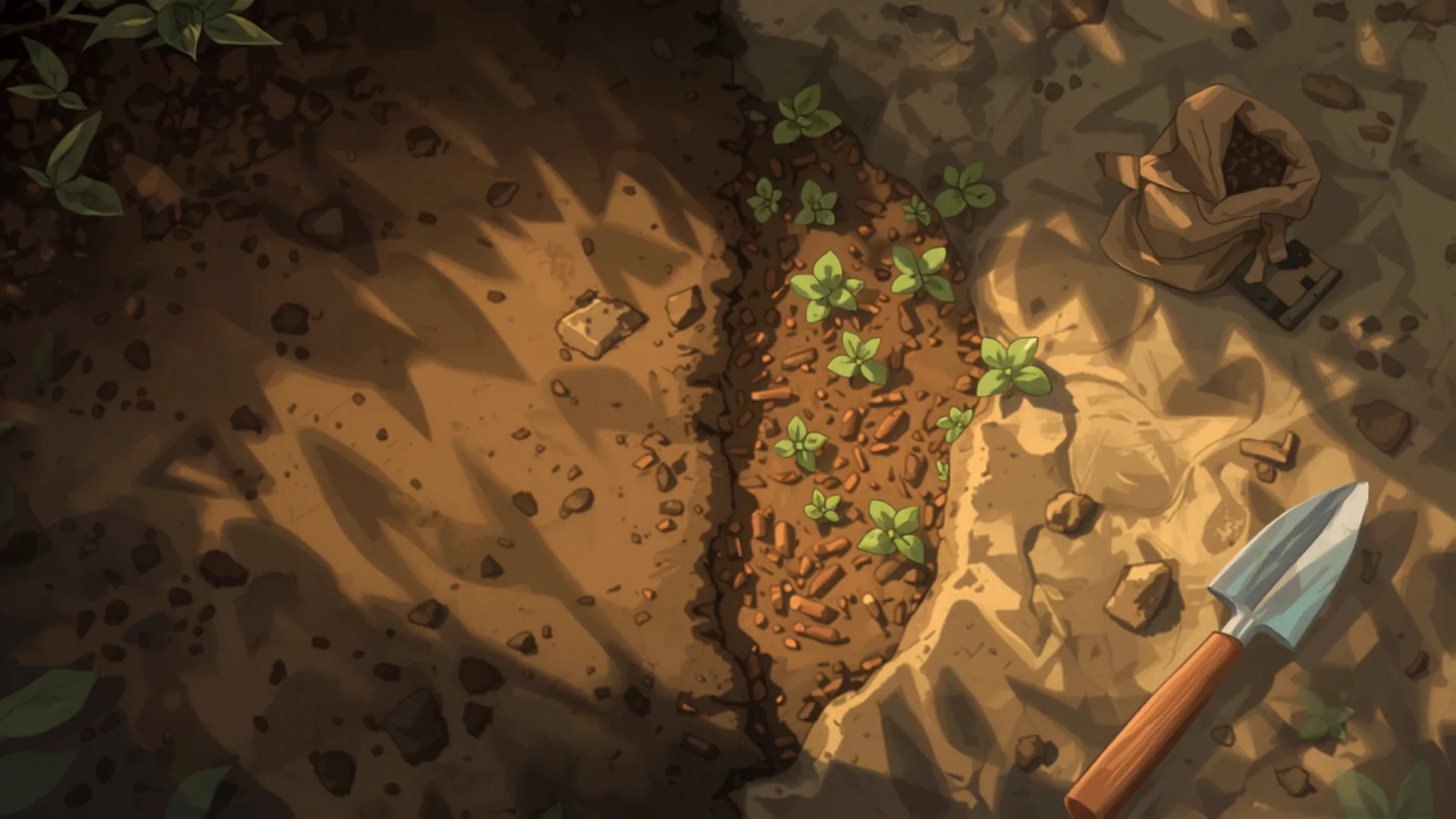
Edging separates bed from lawn or path, and it does more than tidy the look — it stops grass invading the bed, keeps mulch where it belongs and makes future maintenance faster. Options run from simple spade-cut edges (free but needing regular redefinition) through budget plastic or steel strip up to masonry or stone edging that costs more but lasts indefinitely. It's a small share of the total, but it's the detail that separates a bed that reads as finished from one that looks unfinished.
Design the bed to lower its lifetime cost
The build cost is only the start; the smarter saving is on the years that follow. Choosing plants suited to your climate and soil — species that want the conditions you actually have — slashes the water, feeding and replacement a fussier garden demands. Drought-tolerant and native plantings, in particular, establish into beds that largely look after themselves, trading a little visual formality for a lot less ongoing work and expense. Grouping plants with similar water needs, and matching them to how much sun each part of the yard really gets, means nothing is being propped up in conditions it hates. A bed designed for its site costs the same to plant and a fraction to keep.
The first summer decides everything
A garden bed's real cost isn't settled on planting day — it's settled over the following months, in the establishment window when young plants either take or don't. This is where a lot of "cheap" beds quietly become expensive: the plants go in, the initial excitement fades, the watering slips, and a summer later half the bed is gone and being replaced. Getting plants through establishment is mostly about consistent water while roots reach out into the surrounding soil — which is exactly why an automatic watering system and a good mulch layer, covered as their own considerations, are so tied to a bed's success. Deep, less frequent watering encourages roots to grow down and drought-proof the plant; frequent shallow watering does the opposite and leaves it dependent.
Timing helps too. Planting into the milder shoulder seasons — rather than the peak of summer heat or the depths of a wet winter — gives plants a gentler start and a longer runway to establish before they're tested by extremes, which cuts losses and the cost of replacing them. Advanced plants may need temporary staking to hold them steady while their roots anchor, and a light feed appropriate to the species helps them settle without being pushed into soft, vulnerable growth. None of this is expensive; it's attention, at the one time attention matters most. A bed that's watered and cared for through its first summer fills in and compounds in value; a bed that's planted and forgotten is a receipt for doing it again. The cheapest way to protect the planting spend is simply to see the plants through the season that follows it.
Getting it built well
When you gather quotes, make sure they're pricing the same bed: the same soil preparation, the same plant sizes and quantities, the same mulch and edging. A quote that's markedly cheaper is usually cheaper on the invisible parts — thinner soil prep, smaller plants, less mulch — which is precisely where a bed's success is decided. Ask each landscaper to itemise soil, plants, mulch and edging separately so you can see what you're actually buying, and weigh the numbers against the range above. Spend where it grows things — soil first, then mulch — and you'll have beds that fill in and hold up, rather than beds you plant again next year.
You're in.
A local installer will be in touch about your job. No spam, no middleman.
Landscaping cost in your city
Verified October 2026 ranges — tap your city for the full local guide.
Frequently asked questions
How much do garden beds cost per square metre?
A planted-out garden bed runs $50–$180 per square metre with plants and mulch included, typically around $100. The low end is tube stock and basic preparation; the high end is advanced plants, deep soil improvement, quality mulch and tidy edging. A 30-square-metre bed therefore lands roughly between $1,500 and $5,400 depending on those choices.
Why is soil preparation such a big part of the cost?
Because plants are only as good as what they're rooted in, and most yards start as heavy clay or fast-draining sand — neither of which grows healthy plants without work. Breaking up the ground and blending in compost is unglamorous labour at $55–$110 an hour, and it's the step budget jobs skip. Skip it and plants fail and need replacing, so the cheap bed gets bought twice.
Should I buy advanced plants or small tube stock?
It's money versus patience. Advanced plants give an instant filled-in look but cost a multiple of small stock; tube stock costs a fraction and, for many hardy species, catches up within a season or two because young plants establish faster. A common middle path is a few advanced anchor plants for structure with tube stock filling around them — impact where it counts, economy elsewhere.
Is mulch really necessary, or can I skip it to save money?
It's the cheapest insurance a bed has, and skipping it is a false economy. Mulch holds moisture through summer, suppresses weeds, moderates soil temperature and, if organic, feeds the soil as it breaks down. Bare beds dry out, weed up and lose plants — turning a small mulch saving into a much larger watering and replacement cost. Whatever the plant budget, don't cut the mulch.
How can I make a garden bed cheaper to maintain?
Choose plants suited to your actual climate and soil. Drought-tolerant and native species grouped by water need establish into beds that largely look after themselves, cutting water, feeding and replacement for years. Grouping plants with similar needs and matching them to how much sun each area really gets means nothing is being propped up in conditions it hates — the same planting cost, a fraction of the upkeep.
Why are some garden bed quotes so much cheaper than others?
Usually because the cheap quote is cheaper on the parts you can't see — thinner soil preparation, smaller plants, less mulch — which is exactly where a bed's success is decided. Ask each landscaper to itemise soil, plants, mulch and edging separately so you're comparing the same bed, not a thinner version of it, then weigh the numbers against the $50–$180 range.
← Back to landscaping cost guide hub