New-Build Landscaping: Costing a Yard From Bare Earth
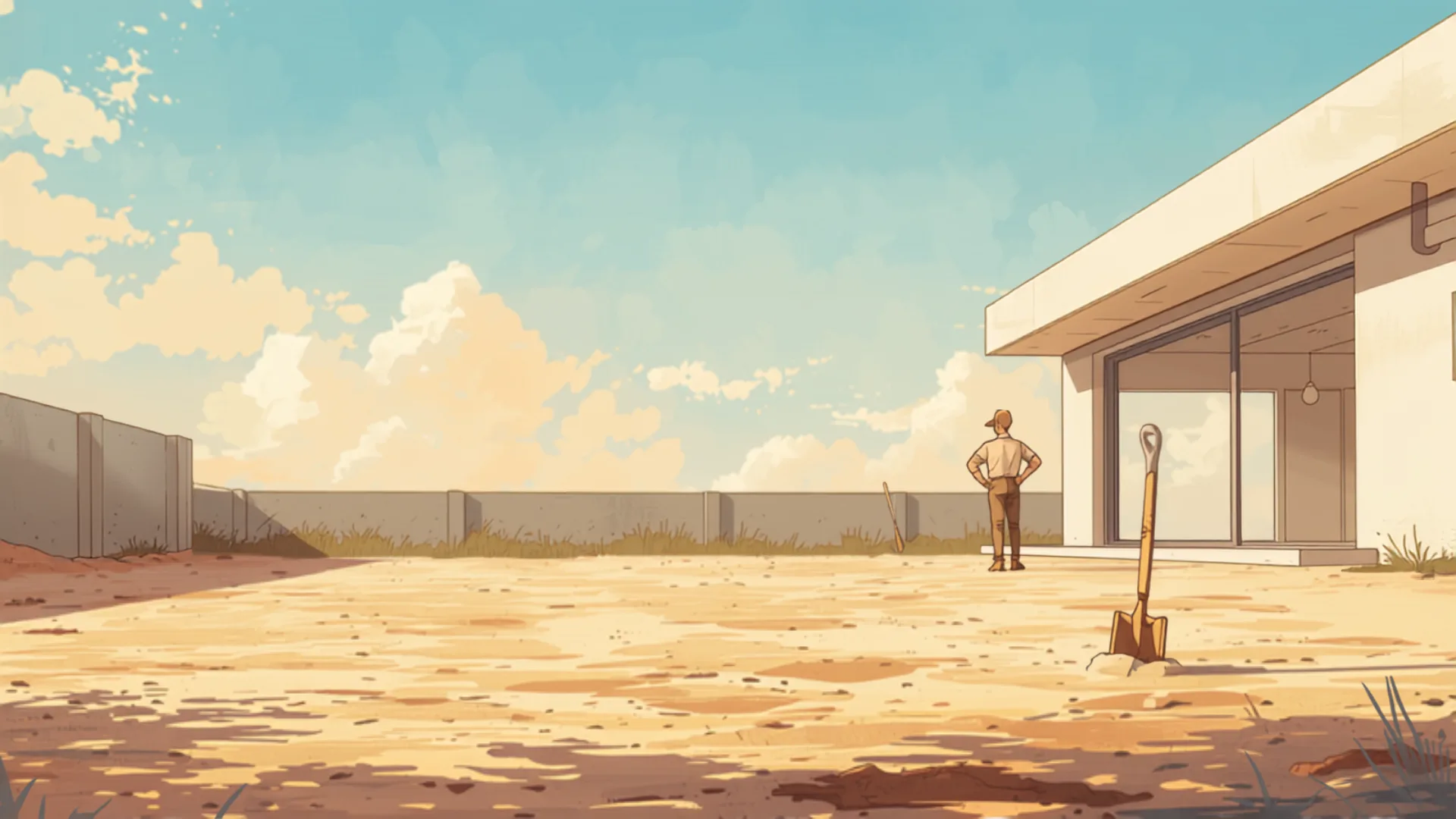
What's The Damage's October 2026 re-verification across 90+ sources puts a complete new-home landscape — bare earth to finished yard — at $15,000–$60,000, with $40,000 typical. A blank site is the one moment you can plan the whole yard as a single project instead of a decade of weekends. Here's how to stage it, and where new-build owners overspend.
What a new-home landscape costs
Landscaping a new build means starting from nothing — bare earth to finished yard, every element from scratch. That's a bigger job than renovating an existing garden, and the figures reflect it.
| Item | Low | Typical | High |
|---|---|---|---|
| Full landscape (new home) | $15,000 | $40,000 | $60,000 |
| Garden design / plan | $800 | $2,000 | $5,000 |
By contrast, reworking an existing yard — one that already has soil life, some structure and established plants to keep — typically runs less, because you're improving rather than building from zero. A new build has none of that head start: what the builder hands back is usually a rectangle of disturbed dirt, and everything green, hard, watered and drained has to be created. That's why the complete figure sits where it does, and why planning the whole thing as one project matters more here than anywhere.
Why a new site starts behind
New builds hand the landscaper a difficult starting point, and it inflates the early cost before a single plant goes in. The soil is the first problem: construction compacts the ground under machinery and often leaves it stripped of topsoil and laced with builder's rubble — brick offcuts, mortar, buried debris — so the site needs clearing and the soil rebuilding before anything will grow. Levels are frequently left rough, graded for the house rather than the garden, which means earthworks to get water flowing away from the building. And a bare block offers no shelter, no established anything, so the yard is genuinely built from the ground up. None of this is padding; it's the real work of turning a construction site back into ground a garden can live on.
The decision that shapes the budget: now or staged
The defining new-build question isn't what to build but when. Doing the whole yard at once is the efficient path — one mobilisation, one design realised as intended, no doing-and-redoing — but it lands the full five-figure cost right when a new-home budget is already stretched. Staging spreads that cost over years: build the essentials first and add the rest as funds allow. The trap in staging is sequence. Done wrong, later stages force you to lift or dig up earlier ones — trenching watering lines through a finished lawn, cutting drainage into laid surfaces — paying twice for access. Done right, guided by a plan, the bones go in first and every later stage adds without disturbing what's there. This is precisely why the design fee earns out on a new build: it's the document that lets you stage safely instead of expensively.
Builder's package or independent?
Many builders offer a landscaping package as an add-on, and it's worth weighing rather than assuming either way. The appeal is convenience and, sometimes, rolling the cost into the home loan. The catch is that builder packages are often basic — a strip of turf and token planting to meet a council requirement — and priced for the builder's margin rather than your garden. Going independent after handover usually buys a better result and better value for a considered yard, at the cost of arranging it yourself and funding it outside the build. A common sensible split is to have the builder handle only what's genuinely easier done before handover — rough grading, or drainage tied to the house — and to commission the garden itself independently once you can plan it properly.
The right order of works
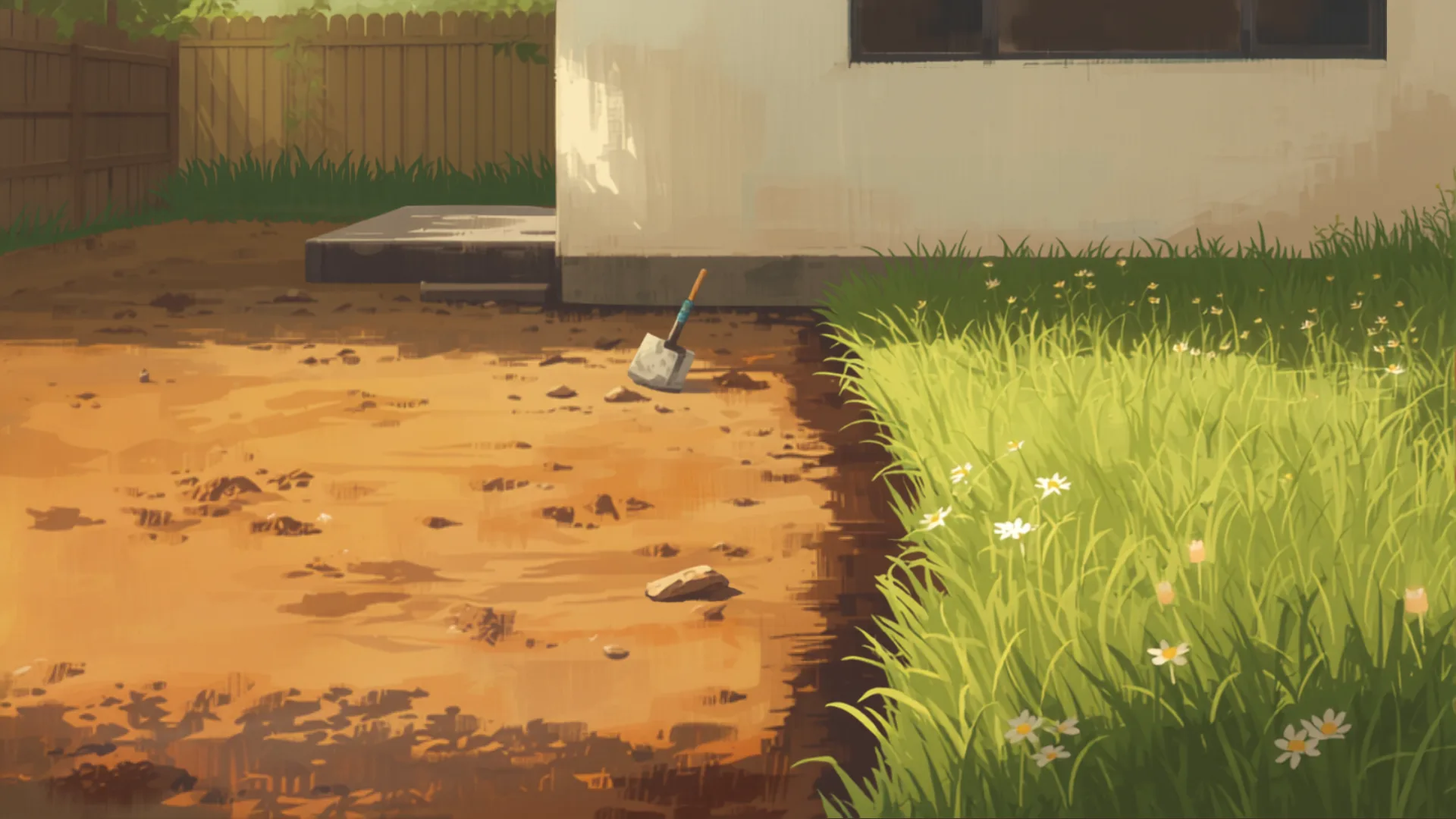
A new-build yard built in the correct sequence never pays for access twice. Broadly: resolve levels and drainage first, while the site is open; then the hard elements and any watering lines that run beneath them; then soil preparation and the soft landscaping; then planting; then the finishing layers of mulch and detail. Getting watering and drainage in before surfaces is the rule that saves the most, because retrofitting either through finished ground is the classic new-build regret. Note too that the big structural pieces of a yard — paving, retaining walls, decking and fencing — are specialist trades quoted separately from the planting and soft works, so a "full landscape" number is really several jobs coordinated to a plan rather than one line item.
Where new-build owners overspend
Three habits burn new-build landscaping budgets. Over-hardscaping early: pouring the money into large paved and built areas up front, because they feel permanent, then having nothing left for the soil and planting that actually make a yard pleasant to be in. Skipping soil to afford instant plants: the reverse of good sense — paying for advanced plants while starving the ground they sit in, so they struggle and need replacing. Paying the instant-garden premium everywhere: advanced plants and mature turf across the whole site deliver a magazine yard on day one at a steep multiple over younger stock that would look the same within a season or two. The disciplined new-build spend is the opposite of all three: fix the ground first, build the bones to a plan, put instant maturity only where it earns its keep, and let the rest fill in.
Timing it around the build
Two forces set when new-build landscaping can actually start, and both are easy to underestimate. The first is the site itself. Fresh fill and disturbed ground need time to settle before you build permanent structures or lay surfaces on them — rush it and you risk paving that cracks and levels that shift as the ground beneath consolidates. Giving the site a season to settle, and dealing with any obvious drainage in the meantime, is often the difference between building once and building again. The second is coordination with the tail end of construction: driveways, fences and the final trades are frequently still being finished as you'd want to begin, and heavy materials or machinery crossing a half-built yard can undo early landscaping work. Sequencing the garden to begin once the site is genuinely clear saves paying for the same ground twice.
There's often a regulatory clock too. Some new-build approvals carry a landscaping requirement — for example a landscape plan attached to the planning approval for a residential or multi-unit development — and on subdivisions councils can hold a landscape bond from the developer until the works are complete. That can push owners toward a fast, basic install just to satisfy the rule, which is exactly the trap that leads to token turf and throwaway planting. The better approach where a deadline applies is to meet the minimum deliberately and cheaply in the areas the condition actually covers, while planning the real garden properly around it, rather than blowing the budget on a rushed whole-yard install to beat a date. Check what your approval requires early, so the requirement shapes a sensible staging plan instead of ambushing it. Handled with a little foresight, the build timeline becomes another input to the plan rather than a reason to abandon it.
Building the yard, sanely
Start with a design, because a blank site is both the best opportunity to plan holistically and the easiest to get wrong through ad-hoc decisions. Use the plan to stage the work to your budget and to gather comparable quotes from landscapers pricing the same defined yard. Deal with soil and drainage before you chase the visible finishes, and resist the pressure to make the whole garden instant. A new build is a rare clean slate — planned properly, it becomes a coherent yard built once, rather than a decade of weekends spent undoing the last rushed decision.
You're in.
A local installer will be in touch about your job. No spam, no middleman.
Landscaping cost in your city
Verified October 2026 ranges — tap your city for the full local guide.
Frequently asked questions
How much does it cost to landscape a new home from scratch?
A complete new-home landscape — bare earth to finished yard — runs $15,000–$60,000, typically around $40,000. It's dearer than reworking an existing garden because a new site has no head start: the builder usually hands back disturbed, compacted dirt, and everything green, hard, watered and drained has to be built from zero, starting with clearing rubble and rebuilding soil.
Why does a new-build yard cost more than renovating an existing one?
Because construction leaves a difficult starting point. Machinery compacts the ground and strips topsoil, builder's rubble is often buried in it, and levels are graded for the house rather than the garden. So before any planting, the site needs clearing, the soil rebuilding and earthworks to move water away from the building — real work that an established yard, with its existing soil and structure, doesn't need.
Should I landscape a new build all at once or in stages?
Both work, but sequence is everything. Doing it all at once is efficient — one mobilisation, the design realised as intended — but lands the full cost when a new-home budget is stretched. Staging spreads it over years, provided a plan controls the order so later stages don't force you to lift finished work. Getting watering and drainage in before surfaces is the rule that saves the most.
Is a builder's landscaping package worth taking?
Weigh it rather than assume. The appeal is convenience and sometimes rolling the cost into the home loan; the catch is that packages are often basic — token turf and planting to meet a council rule — and priced for the builder's margin. A common sensible split is to let the builder handle only what's genuinely easier before handover, like rough grading, and commission the garden itself independently once you can plan it properly.
What order should new-build landscaping be done in?
Resolve levels and drainage first while the site is open, then the hard elements and any watering lines that run beneath them, then soil preparation and soft landscaping, then planting, then mulch and finishing. Getting watering and drainage in before surfaces avoids paying twice for access. Note the structural pieces — paving, retaining walls, decking and fencing — are specialist trades quoted separately from the planting.
Where do people overspend on new-build landscaping?
Three habits: over-hardscaping early — pouring money into paved and built areas up front, leaving nothing for the soil and planting that make a yard pleasant; skipping soil to afford instant plants, which then struggle and need replacing; and paying the instant-garden premium everywhere, when younger stock looks the same within a season or two. Fix the ground first, build the bones to a plan, and add instant maturity only where it earns its keep.
← Back to landscaping cost guide hub