Irrigation and Drainage: What Watering and Water Management Cost
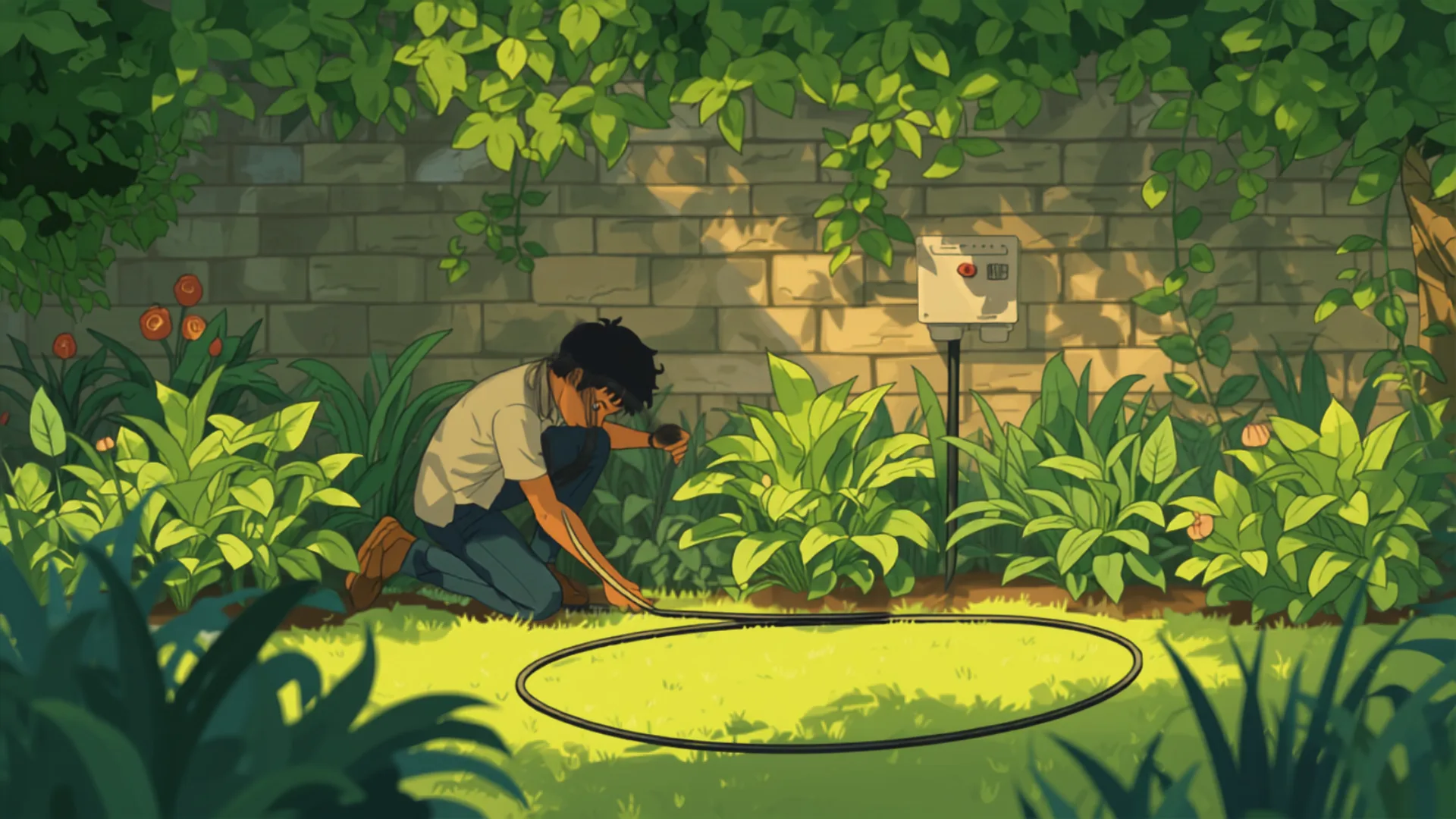
What's The Damage's October 2026 re-verification across 90+ sources puts a residential irrigation system at $1,600–$5,500 installed, with $2,800 typical. It's the invisible infrastructure that decides whether a garden survives its first summer — and, paired with drainage, whether your yard sheds water or pools it against the house. Here's what shapes the number.
What an irrigation system costs
An automatic watering system is priced as a whole install — the lines, the outlets, the controller and the labour to trench and connect it to your water supply. These are the national figures.
| Item | Low | Typical | High |
|---|---|---|---|
| Irrigation system | $1,600 | $2,800 | $5,500 |
| Landscaper — hourly rate | $55/hr | $80/hr | $110/hr |
Where a job lands in that $1,600–$5,500 range comes down to how big the yard is, how many separately controlled areas it needs, and how much trenching the layout demands. It reads like a cost you could avoid with a hose and good intentions — until the first hot spell, when hand-watering a whole garden every evening turns out to be a job nobody keeps up, and the plants pay for it.
What drives the number
Four things move an irrigation quote. Area is the obvious one — more ground means more line, more outlets and more labour. Zones are the one owners underestimate: a garden isn't watered uniformly, because lawn, dense beds and pots all want different amounts, so the system is split into separately timed zones, and each zone adds valves, wiring and complexity. Trenching is the hidden labour — running lines means digging, and a yard already planted or paved is slower and dearer to trench than open ground, which is exactly why watering is best installed before surfaces go down. The controller sets the ceiling: a basic timer is cheap, while a smart controller that adjusts to weather and soil moisture costs more up front and saves water for years after.
Drip versus spray
Most systems mix two delivery methods, and the balance affects both cost and running efficiency. Spray or pop-up sprinklers suit open lawn and broad areas — quick to cover ground, but they lose water to wind and evaporation and wet leaves as much as roots. Drip line threads through garden beds and delivers water slowly at soil level, straight to the roots with almost nothing lost to the air; it costs a little more to lay per metre but uses markedly less water over the system's life. For beds, drip is nearly always the smarter spend — the small install premium is repaid in lower water use and healthier plants that aren't sitting wet-leaved through humid nights.
The controller earns its keep
Automation is where an irrigation system pays for itself. A timer that waters at dawn — before heat and wind steal the water — puts every litre to work and removes the daily chore entirely. Step up to a weather- or moisture-aware controller and the system skips watering after rain and dials back in cool spells, which both protects plants from overwatering and keeps you the right side of the water restrictions that apply across much of the country. The controller is a modest slice of the total but the part that turns a watering system from a convenience into a genuine water-and-money saver.
Drainage: the companion job
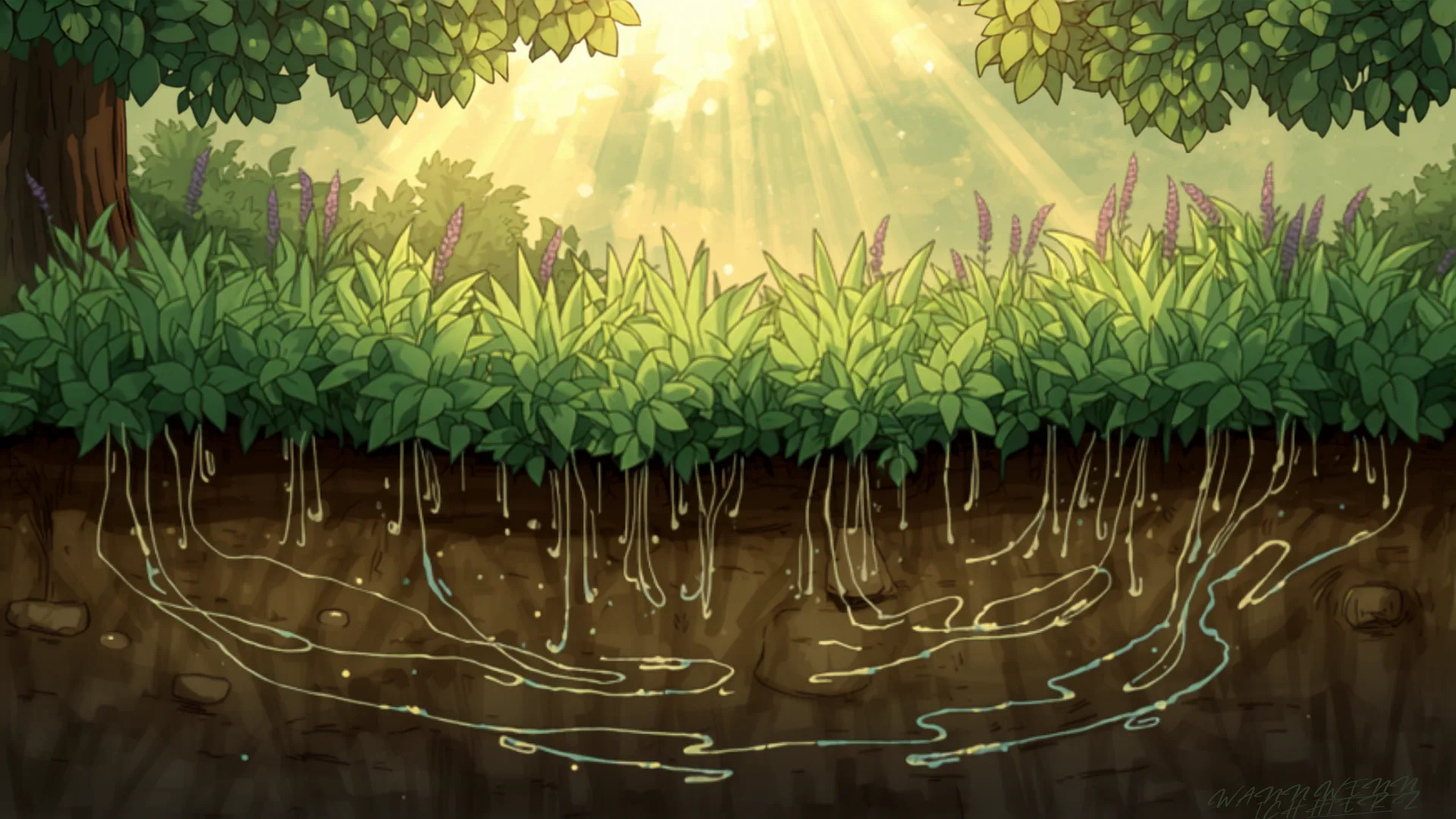
Irrigation puts water where you want it; drainage takes water away from where you don't — and the two are best planned together, because both mean moving earth and laying lines. Poor drainage is one of the most expensive problems a yard can hide: water that pools in beds drowns roots and rots plants, and water that runs toward the house instead of away from it threatens the one thing far dearer than any garden. Surface drainage — shaping levels so water flows to where it should, and channelling it away through simple collection points — is priced job by job rather than off a standard rate, because it depends entirely on your site's slope and problem areas, but resolving it during a build costs a fraction of retrofitting it after the surfaces are down. If any part of your yard holds water after rain, that's the signal to deal with drainage while the ground is already open for watering lines, not to discover it later.
Design your way to a smaller system
The cheapest litre is the one you never need to deliver. A garden planted for its climate — drought-tolerant and native species grouped by water need — demands far less irrigation than a thirsty, mismatched one, which can shrink both the system you install and the water it draws forever after. Improving the soil so it holds moisture rather than shedding or draining it does the same. Spend a little thought on a water-wise layout and the watering system gets smaller, simpler and cheaper to run — the rare case where good design lowers the up-front cost and the running cost at once.
Keeping it running
An irrigation system is infrastructure, and like any infrastructure it has a running cost beyond the install — modest, but worth building into the decision. The main task is seasonal adjustment: a garden needs far more water in the height of summer than in the cool months, and a set-and-forget timer that runs the same program year-round either wastes water or starves plants depending on the season. A smart controller handles this itself, which is a large part of why it earns its higher price; a basic timer needs you to change the schedule a few times a year. Beyond that, the system wants an occasional check — drip line can block or get nicked by a spade, spray heads can clog, get knocked out of alignment or be buried by growing plants, and a small leak underground can run up water use invisibly. Catching these is a matter of watching whether every zone is actually delivering, and clearing the filters that keep grit out of the fine drip outlets.
In colder parts of the country, systems may need protecting over winter so water sitting in the lines doesn't freeze and split them — a straightforward off-season task where it applies. A well-installed system with quality components lasts many years with this light attention, so the up-front spend is genuinely a long-term one rather than a recurring bill. The failure mode to avoid is neglect: a system left unchecked until several zones have quietly stopped working delivers the worst of both worlds — you've paid for automatic watering and the garden is drying out anyway. A few minutes each season protects both the install and the plants that depend on it, and keeps the running cost to almost nothing.
Getting it installed right
When you compare quotes, check they cover the same yard: the same number of zones, the same mix of drip and spray, and the same grade of controller, since a cheap number often means fewer zones or a basic timer that waters the whole garden as if it were one thing. Ask whether the quote includes connection to your water supply and any trenching through existing surfaces, and whether drainage has been considered alongside — the two jobs share the digging and should share the plan. Weigh the numbers against the range above, prioritise drip in the beds and a smart controller, and you'll buy a system that keeps the garden alive through summer on less water, not more.
You're in.
A local installer will be in touch about your job. No spam, no middleman.
Landscaping cost in your city
Verified October 2026 ranges — tap your city for the full local guide.
Frequently asked questions
How much does a garden irrigation system cost?
A residential irrigation system runs $1,600–$5,500 installed, typically around $2,800. Where a job lands depends on the size of the yard, how many separately timed zones it needs, and how much trenching the layout demands. A yard that's already planted or paved costs more to trench than open ground, which is why watering is best installed before surfaces go down.
What makes one irrigation quote more expensive than another?
Four things: the area covered, the number of zones (lawn, beds and pots each want different amounts, so each is timed separately and adds valves and wiring), the trenching required, and the controller. A basic timer is cheap; a smart weather- or moisture-aware controller costs more up front but saves water for years. A cheap quote often means fewer zones or a basic timer watering the whole garden as one thing.
Drip or spray — which should I use?
Most systems use both. Spray and pop-up sprinklers suit open lawn but lose water to wind and evaporation; drip line threads through garden beds and delivers water slowly at soil level with almost nothing lost to the air. For beds, drip is nearly always the smarter spend — a small install premium repaid in lower water use and healthier plants that aren't left wet-leaved overnight.
Is an automatic controller worth it?
It's the part that makes the system pay off. A timer watering at dawn puts every litre to work and removes the daily chore. A weather- or moisture-aware controller goes further, skipping watering after rain and easing off in cool spells — which protects plants from overwatering and helps you stay within the water restrictions that apply across much of the country. It's a modest slice of the total for a large share of the value.
Do I need drainage as well as irrigation?
If any part of your yard holds water after rain, yes — and plan it at the same time, since both jobs mean moving earth and laying lines. Water pooling in beds drowns plants, and water running toward the house threatens something far dearer than the garden. Surface drainage is priced job by job because it depends on your site's slope, but resolving it during a build costs a fraction of retrofitting it once surfaces are down.
Can I reduce what I spend on irrigation?
Yes — the cheapest litre is the one you never need to deliver. A garden planted for its climate, with drought-tolerant and native species grouped by water need, demands far less watering than a thirsty mismatched one, shrinking both the system you install and the water it draws. Improving the soil so it holds moisture does the same. Good water-wise design lowers the up-front and running cost at once.
← Back to landscaping cost guide hub