Roofing Cost Australia 2026: The Complete Guide (Real Quotes From 14 Cities)
Roofing in Australia ranges from $3,500 for a basic restoration to $80,000+ for a premium slate replacement. Most homeowners pay $4,000–$10,000 for tile restoration, $13,000–$25,000 for a full colorbond steel re-roof, and $16,000–$30,000 for concrete tile replacement on a typical 200 m² roof. Hidden costs (sarking upgrade $3,000–$6,000, gutter replacement $3,500–$8,000, asbestos removal $12,000–$25,000 if applicable, solar panel removal/refit $1,500–$3,500) routinely add 20–40% to headline quotes. Sydney runs 18% above national; Townsville and Darwin add 20–22% for cyclone-rated installs.
Roofing is one of the highest-stakes single decisions a homeowner makes — six figures of structural value sit underneath, and a wrong call costs $20,000+ to undo. It's also the most quote-asymmetric trade in Australian renovation, where the cheapest and most expensive quote for the same house can be $25,000 apart and both quotes can be reasonable depending on what each contractor actually plans to do. The reason almost no homeowner picks the right path: the central question isn't "what brand of tile or sheet" — it's "do I need a full replacement at all?". A roof restoration on tile or colorbond costs 25–40% of full replacement and adds 10–20 years to a roof's serviceable life. Many roofers don't quote restoration because it's a smaller invoice. You have to ask.
This guide is the answer to every roofing question that should drive your decision. We've cross-referenced 2026 pricing from 90+ Australian sources — Master Plumbers Association data, real quotes from licensed roofers in 14 capital and regional cities, BlueScope steel and Bristile/Monier tile manufacturer pricing, restoration specialist quotes, asbestos roofing removal data, and BAL/cyclone-zone material requirements. Every number is what you'll genuinely pay this year, including the hidden costs almost no other guide covers properly: ridge cap rebedding, sarking and insulation upgrades, gutter and fascia bundles, solar panel removal/refit, and the asbestos roof premium that consistently doubles old-roof replacement costs.
You'll find the full cost picture for restoration vs replacement, all 5 material types, 14 cities, BAL and cyclone zone implications, the truth about DIY (almost always: don't), insurance and permit considerations, and exactly why two quotes for the same roof can vary by $25,000.
Jump to a section ↓
- Restoration vs replacement
- Cost by tier
- Cost by material (5 types)
- Cost by city (14 cities)
- Cost by roof size
- Restoration in detail
- Replacement in detail
- Hidden costs
- BAL & cyclone zones
- Solar panel coordination
- Heritage & council rules
- Insurance claims
- Permits & approvals
- Timeline
- DIY (almost never)
- Why quotes vary by $25k
- ROI on resale
- Best time of year
- How to get an honest quote
- FAQs
Restoration vs Full Replacement: The Decision That Saves $15,000
The single biggest cost decision in roofing isn't material choice — it's whether you need a full replacement at all. Restoration of an existing tile or colorbond roof costs 25–40% of full replacement and adds 10–20 years to the roof's serviceable life. Most homeowners default to "replace" because that's what their quote suggests; many of those roofs could be restored for a fraction of the price.
| Approach | What it covers | Cost (200 m²) | Adds to roof life |
|---|---|---|---|
| Maintenance only | Replace broken tiles, rebed loose ridges, clear gutters, basic repaint | $1,500–$4,500 | 3–5 years |
| Restoration (tile) | High-pressure clean, rebed all ridges and hips, replace broken tiles, prime, two-coat membrane | $4,000–$9,000 | 10–15 years |
| Restoration (colorbond) | Re-screw all sheets, treat rust spots, prime, two-coat repaint | $3,000–$7,000 | 10–15 years |
| Full replacement (tile to tile or steel to steel) | Strip existing, replace sarking, new battens if needed, new roof material, new ridges, gutter assess | $13,000–$30,000 | 30–50 years |
| Material change (tile to steel or vice versa) | Above plus structural assessment and possible batten/truss reinforcement | $15,000–$35,000 | 30–50 years |
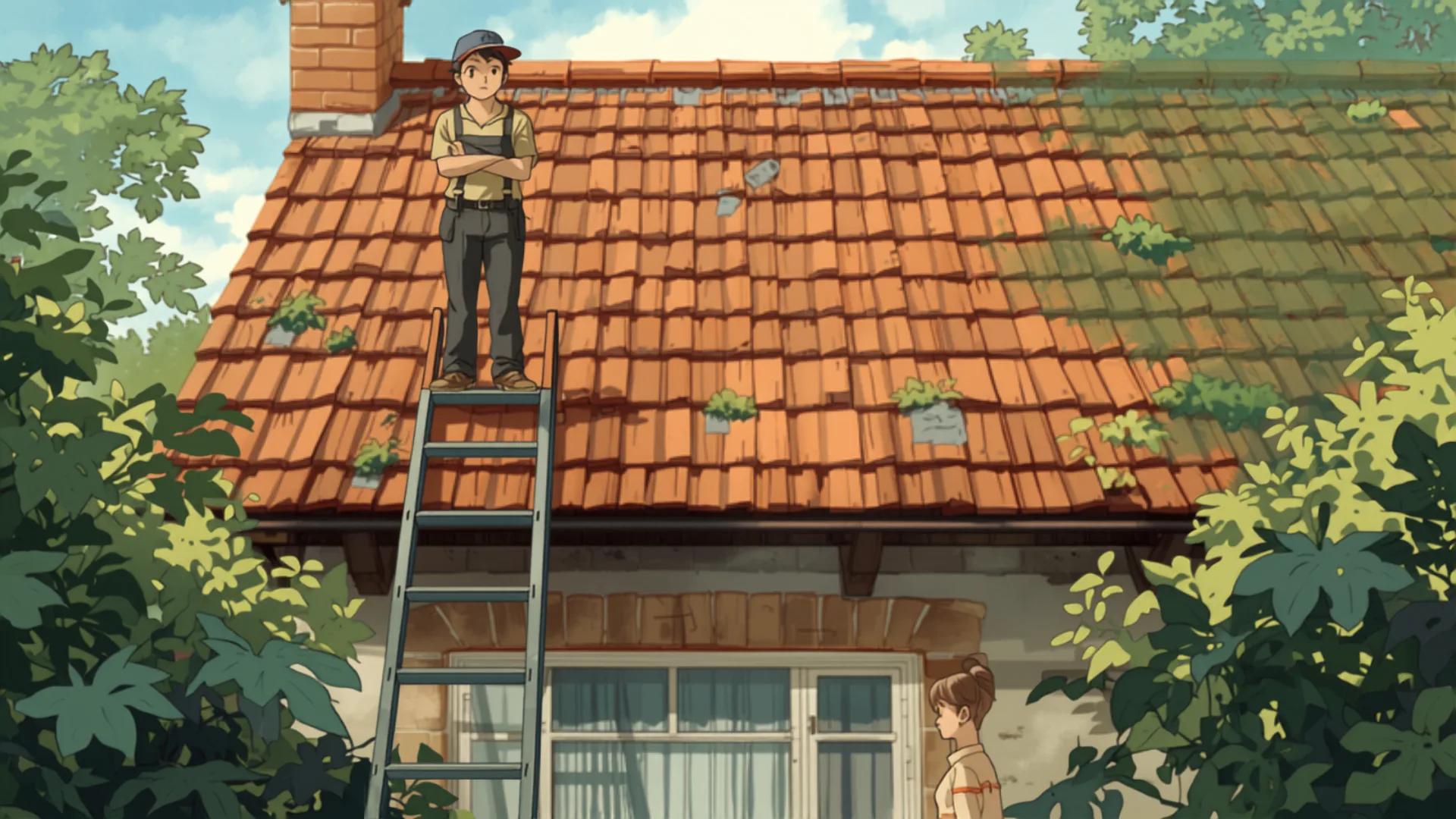
When restoration works: Roofing material is structurally intact, no widespread rust or cracking, sarking is dry, no ongoing leaks. Most concrete tile roofs under 25 years old, and most colorbond roofs under 30 years old, qualify for restoration over replacement.
When replacement is genuinely needed: Widespread tile cracking (more than 15% broken), structural sagging, evidence of long-term sarking failure (water damage in ceiling), severe rust on metal roofs (perforations or section bleeding through), or pre-1990 fibre-cement or decramastic sheets that may contain asbestos. Also when adding solar panels and the roof has under 10 years of life left — refitting after a future replacement is more expensive than replacing now.
For a longer breakdown comparing the two approaches by material and roof age, see our Roof Replacement vs Restoration cost guide.
How Much Does Roofing Cost in Australia in 2026?
A typical 200 m² Australian roof costs $3,500 for basic maintenance up to $80,000+ for a premium slate replacement. The most common 2026 outcomes are tile restoration at $4,000–$10,000 and colorbond steel replacement at $13,000–$25,000 — together accounting for the majority of Australian roofing work.
| Tier | Per m² | 200 m² total | Typical scope |
|---|---|---|---|
| Maintenance / minor repair | $8–$22 | $1,500–$4,500 | Replace broken tiles, clear gutters, rebed ridges, repaint touch-ups |
| Restoration | $15–$50 | $3,000–$10,000 | Full clean, rebed, replace damaged sections, prime, two-coat membrane or repaint |
| Standard replacement (tile or steel) | $65–$150 | $13,000–$30,000 | Strip and replace, new sarking, new ridges, standard gutter assess |
| Premium replacement (terracotta, architectural metal) | $120–$280 | $24,000–$56,000 | Premium tile or standing seam, full sarking and gutter upgrade, ridge ventilation |
| Luxury (slate, copper, designer) | $200–$500+ | $40,000–$100,000+ | Slate, copper, zinc, custom architectural standing seam, heritage restorations |
All prices include GST and standard installation on a single-storey roof of standard pitch and complexity. Excludes asbestos removal, solar panel removal/refit, structural framing repair, scaffolding for two-storey, sarking upgrade beyond standard, and full gutter/fascia replacement.
Roofing Cost by Material: All 5 Types Compared
Australian roofing is dominated by two materials: concrete tile (about 55% of Australian homes) and colorbond steel (about 35%). Terracotta, slate, and architectural metals make up the remaining 10%. Here's what each costs in 2026, supplied and installed.
1. Colorbond Steel
| Standard colorbond (0.42mm) | $55–$95/m² | Most common Australian re-roof |
| Premium colorbond (0.48mm with thicker coating) | $80–$130/m² | Coastal areas, longer warranty |
| Colorbond Ultra (severe coastal) | $95–$150/m² | Within 100m of breaking surf |
| Colorbond Matt | $70–$115/m² | Modern aesthetic premium |
Colorbond is the dominant choice for new builds and replacements since 2010. Lifespan 30–50 years (50 years inland, 25–30 in severe coastal). The standard 22 colour palette covers most aesthetic needs. The downsides are real but limited: louder in heavy rain (sarking-grade insulation manages this), and dent susceptibility from hail in major storms.
2. Concrete Tile
| Standard concrete tile (Monier, Bristile) | $70–$120/m² | Most common Australian roof material 1970s–2000s |
| Premium textured concrete | $95–$140/m² | Architectural concrete with multi-tone glazing |
| Lightweight concrete (low-pitch) | $80–$130/m² | Where roof framing limits weight |
Concrete tile is the default mid-century to 2000s Australian roof. Lifespan 30–50 years with periodic restoration. Heavier than steel (40–55 kg/m² vs 5–8 kg/m² for colorbond) which means existing concrete tile roofs can almost always be restored or replaced like-for-like, but switching to tile from a steel roof can require structural reinforcement.
3. Terracotta Tile
| Standard terracotta | $110–$170/m² | Heritage and Mediterranean-style homes |
| Premium terracotta (imported, glazed) | $160–$240/m² | High-end Mediterranean and heritage restorations |
Terracotta is the natural premium-tile choice and the longest-lasting standard roofing material in Australia. Lifespan 75–100+ years, with the natural clay material outlasting concrete tiles substantially. The cost premium reflects manufacturing complexity and limited domestic suppliers.
4. Slate
| Welsh or Spanish slate | $200–$320/m² | Heritage Federation and Victorian restorations |
| Premium slate (Penrhyn, premium Spanish) | $280–$450/m² | Premium heritage, architectural high-end |
Slate is the longest-lasting roof material on earth — 100+ year lifespan is standard, 200+ years achievable. It's the only option for many Federation and Victorian heritage restorations in Sydney's eastern suburbs and Melbourne's inner-east. The cost is genuine: imported material, specialist installers, and the structural framing must support significantly heavier loads.
5. Architectural Standing Seam
| Standing seam zincalume / Galvalume | $130–$220/m² | Modern architectural new builds |
| Standing seam copper or zinc | $280–$500/m² | Premium architectural and heritage |
Standing seam is the architectural premium — clean linear lines, concealed fasteners, modern aesthetic. It's gaining share in 2026 architect-led builds. The price reflects specialist installer skill and material costs. Lifespan 50–75 years for steel; 100+ years for copper or zinc.
Roofing Cost by Australian City (2026)
Roofing cost varies meaningfully across Australia — tropical and cyclone-prone regions add 12–22% over national pricing for cyclone-rated installation, while milder climates run below national average. Below is the typical mid-range full-replacement rate (colorbond steel or concrete tile, supplied and installed on a 200 m² single-storey roof) by city.
| City | Standard $/m² | 200 m² total | vs national |
|---|---|---|---|
| Darwin | $93–$165 | $18,500–$33,000 | +22% (cyclone C3) |
| Townsville | $92–$163 | $18,200–$32,500 | +20% (cyclone C2–C3) |
| Sydney | $90–$158 | $18,000–$31,500 | +18% |
| Canberra | $84–$148 | $16,800–$29,500 | +10% (snow load) |
| Melbourne | $81–$143 | $16,200–$28,500 | +6% |
| Perth | $80–$141 | $16,000–$28,200 | +5% |
| Brisbane | $78–$138 | $15,600–$27,500 | +3% |
| Gold Coast | $78–$138 | $15,600–$27,500 | +3% |
| Newcastle | $76–$135 | $15,200–$27,000 | National avg |
| Wollongong | $75–$133 | $15,000–$26,600 | −1% |
| Sunshine Coast | $75–$133 | $15,000–$26,600 | −1% |
| Geelong | $72–$128 | $14,500–$25,500 | −5% |
| Adelaide | $71–$125 | $14,200–$25,000 | −7% |
| Hobart | $68–$120 | $13,600–$24,000 | −10% |
City prices reflect a standard 200 m² single-storey full replacement (colorbond steel or concrete tile), supplied and installed. Excludes asbestos removal, solar coordination, sarking upgrade beyond standard, and gutter replacement. Cyclone-zone pricing in Townsville and Darwin reflects mandatory C2/C3 wind code installation and high-strength batten requirements. See methodology →
Roofing Cost by House Size
Roofing is priced per square metre but the per-m² rate drops modestly on larger roofs (set-up costs amortise). Here's what each house size typically pays in 2026 for a colorbond or concrete tile replacement.
| House size | Roof area | Restoration | Colorbond replace | Tile replace |
|---|---|---|---|---|
| Apartment / unit (own roof rare) | N/A | N/A | Common-area only | Common-area only |
| 3-bed townhouse | ~120 m² | $2,800–$6,500 | $8,500–$15,500 | $10,000–$18,000 |
| Standard 3–4 bed family home | ~200 m² | $3,500–$10,000 | $13,000–$25,000 | $16,000–$30,000 |
| Large 4–5 bed family home | ~300 m² | $5,500–$14,000 | $18,500–$37,000 | $23,000–$44,000 |
| Premium 5+ bed home | ~450 m² | $8,000–$20,000 | $27,000–$54,000 | $33,000–$65,000 |
Roof area is typically 10–25% larger than floor area for most Australian homes (depending on pitch and eaves). A 150 m² floor plan with 22° pitched roof and 600mm eaves has roof area around 200 m².
Roof Restoration in Detail (Cost Breakdown)
If your existing roof material is structurally sound, restoration is the cheapest meaningful upgrade you can make. Here's what each step in a quality tile or colorbond restoration actually costs in 2026.
| Restoration step | Cost | When needed |
|---|---|---|
| High-pressure clean | $3–$8/m² | Always — first step in any restoration |
| Replace broken tiles | $30–$60 each | Tile roofs only; budget 5–15 tiles per 200 m² |
| Rebed and repoint ridges/hips | $80–$140/lineal metre | Tile roofs; typical 30–50m of ridge per home |
| Re-screw colorbond sheets | $8–$15/m² | All colorbond restorations |
| Rust treatment (colorbond) | $6–$12/m² | Spot or full treatment depending on age |
| Prime coat | $5–$10/m² | Always — bonds top coat to substrate |
| Two-coat membrane (tile) | $12–$22/m² | Quality tile restoration finish |
| Two-coat repaint (colorbond) | $10–$18/m² | Quality colorbond restoration |
| Replace flexible flashings | $30–$80/lineal metre | Vent pipes, valley joins, chimney bases |
A typical $6,000 tile restoration on a 200 m² roof breaks down roughly: $1,400 clean, $300 broken tile replacement, $3,000 rebed/repoint ridges, $800 prime, $2,500 two-coat membrane. The headline rate of $30/m² equivalent matches well to what reputable Australian restoration specialists charge in 2026.
Roof Replacement in Detail (Cost Breakdown)
Full roof replacement involves stripping and disposing of existing material, replacing or upgrading sarking, replacing battens if degraded, then installing new roof material with new ridges and standard flashings. Here's the cost decomposition for a typical 200 m² replacement in 2026.
| Replacement step | Cost | Notes |
|---|---|---|
| Strip and dispose of existing roof | $15–$30/m² | Tile heavier than steel — disposal cost varies |
| Strip and dispose asbestos roof | $60–$120/m² | Licensed only; pre-1990 fibre-cement and decramastic |
| Replace timber battens (if degraded) | $15–$28/m² | Common in pre-1980 homes |
| Sarking (foil-backed insulation) | $15–$30/m² | Standard upgrade — adds R0.7 thermal performance |
| Roof material (colorbond) | $25–$55/m² | Material only; install separate |
| Roof material (concrete tile) | $30–$70/m² | Material only; tile typically more expensive than steel |
| Installation labour | $25–$60/m² | Higher for tile than steel due to weight handling |
| Ridge capping | $70–$140/lineal metre | All roofs; typical 30–50m per home |
| Standard flashings (valleys, transitions) | $50–$120/lineal metre | Includes valley irons, vent flashings |
| Two-storey scaffold | $2,500–$6,000 | Required for any 2-storey or steep-pitch roof |
| Crane hire (large jobs) | $1,500–$4,500 | Large complex roofs and tile-to-tile replacements |
A typical $20,000 colorbond replacement on a 200 m² roof breaks down roughly: $4,000 strip and dispose, $5,000 sarking, $9,000 colorbond material and install, $1,500 ridges, $1,500 flashings. A concrete tile replacement at the same size runs $24,000–$28,000 with the additional weight handling and tile material cost.
Hidden Costs That Blow Roofing Budgets
The single most common reason roofing jobs come in over budget is the assortment of "while we're up there" costs that aren't in the headline quote. Here's what each commonly adds in 2026.
| Hidden cost | Cost | When it applies |
|---|---|---|
| Asbestos roof removal (pre-1990 fibre-cement, decramastic) | $12,000–$25,000 | Licensed only; doubles old-roof replacement cost |
| Sarking and insulation upgrade | $3,000–$6,000 | Always recommended at replacement; rarely in headline quote |
| Gutter replacement | $3,500–$8,000 | Common bundle: 30–50m of guttering, 4–8 downpipes |
| Fascia replacement | $2,000–$5,000 | Where existing timber fascia is rotten |
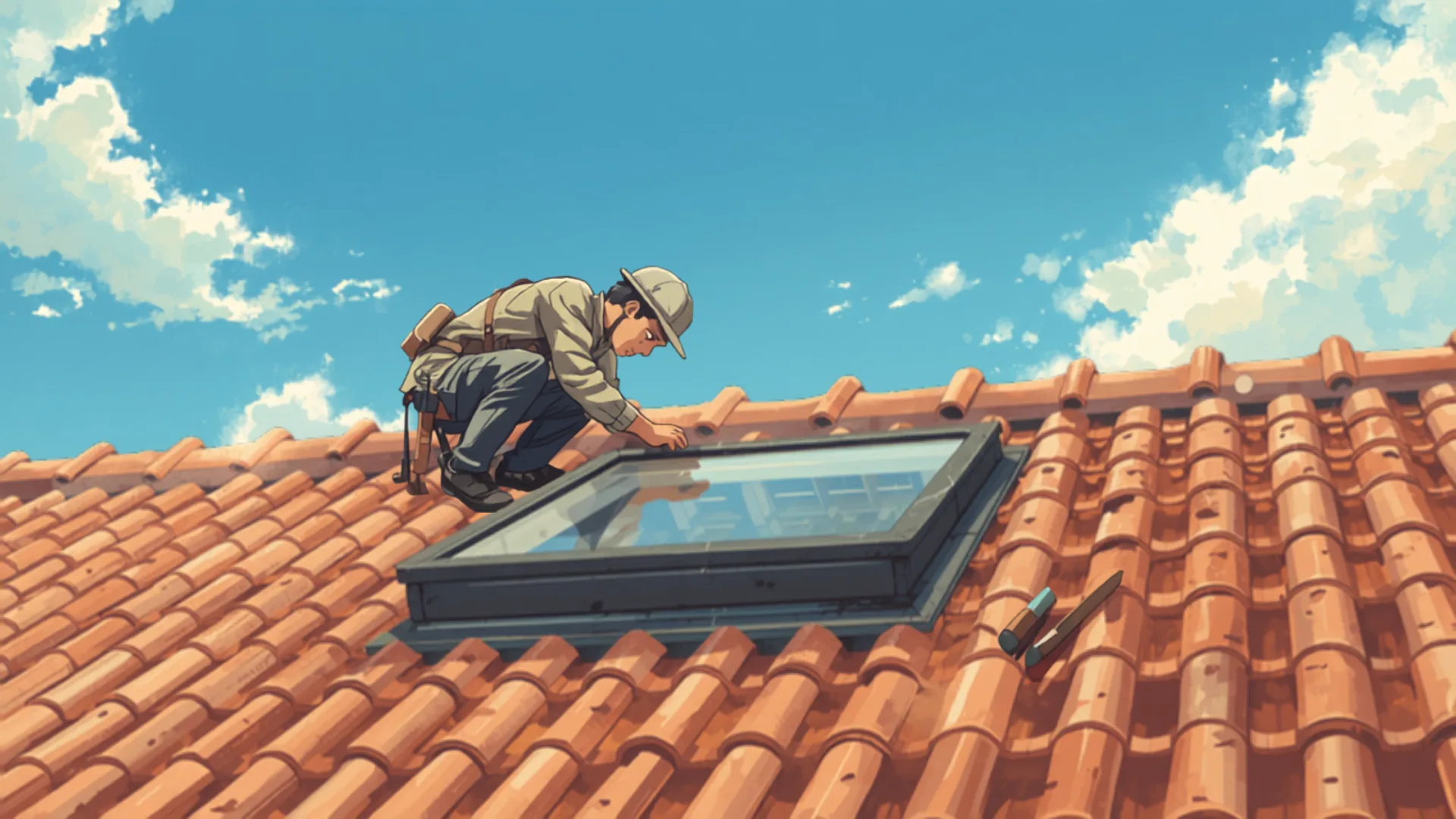
| Solar panel removal and refit | $1,500–$3,500 | Coordination with solar electrician required |
| Skylight removal and refit (or replace) | $400–$1,500 each | Old plastic skylights often need replacement |
| Whirlybirds, vent caps | $120–$400 each | 3–6 typical per home |
| TV antenna and aerial removal/refit | $200–$600 | Most homes |
| Hot water service removal/refit | $400–$1,200 | Roof-mounted gas or solar HWS only |
| Roof framing repair (timber rot) | $80–$200/m² affected | Discovered after strip; budget contingency |
| Council DA (heritage zone) | $1,500–$5,000 | Heritage-listed properties only |
| Two-storey scaffold | $2,500–$6,000 | All double-storey or steep-pitch roofs |
The asbestos warning. Australian homes built before 1990 may have asbestos in fibre-cement roof sheets ("Super Six", "Highline") or decramastic vinyl-coated metal sheets. Disturbing these without proper testing and licensed removal is illegal and dangerous. Always have suspect materials tested ($150–$400) before any roof work begins. Licensed asbestos removal commonly doubles the cost of an old-roof replacement.
The realistic budgeting rule: add 20–40% to any roofing quote for hidden costs. Sarking, gutters, solar coordination, and ancillary roof furniture rarely make it into the headline number.
BAL Ratings & Cyclone Zones: Material Choice By Region
Two regulatory frameworks affect Australian roofing choice meaningfully: BAL (Bushfire Attack Level) ratings in fire-prone regions, and cyclone wind classifications in northern Australia. Both restrict material choices and add cost.
BAL ratings (bushfire-prone areas)
| BAL rating | Roof requirements | Typical cost premium |
|---|---|---|
| BAL-LOW / 12.5 | Standard non-combustible roof | No premium |
| BAL-19 | Non-combustible plus ember guards on vents | $500–$1,500 |
| BAL-29 | Above plus sealed valleys, fire-rated sarking | $2,000–$5,000 |
| BAL-40 | All gaps sealed, ember-resistant fittings, no plastic skylights | $4,000–$10,000 |
| BAL-FZ (Flame Zone) | Full fire-resistance compliance, restricted material list | $10,000–$25,000+ |
Cyclone wind classifications (Queensland, Northern Territory, northern WA)
| Wind class | Region | Cost premium |
|---|---|---|
| N1–N4 (non-cyclonic) | Most of Australia | Standard pricing |
| C1 (cyclonic, mild) | Outer cyclone regions | +5–10% |
| C2 (cyclonic, moderate) | Townsville, Cairns coastal | +15–20% |
| C3 (cyclonic, severe) | Darwin, Far North QLD coastal | +20–30% |
| C4 (cyclonic, extreme) | Limited Pilbara coastal | +30–45% |
Cyclone-rated installation requires high-strength battens (typically 75x50mm hardwood or steel C-section), additional sheet fastening (twice the standard frequency), and stronger ridge cap fixings. Tile is uncommon in C2–C4 zones for this reason — sheet steel meets the requirements at lower cost.
Solar Panel Coordination: A $3,500 Gotcha
Existing rooftop solar panels add a coordination cost to any roof job that's almost always missing from initial quotes. The panels need to be electrically isolated, mechanically removed, the roof work completed, then panels refit and recommissioned. Required steps and typical 2026 costs:
| Solar isolator and disconnect (licensed electrician) | $200–$500 |
| Panel removal (small system, <6kW) | $600–$1,200 |
| Panel removal (medium system, 6–10kW) | $900–$1,800 |
| Panel refit and recommission | $800–$1,500 |
| New mounting hardware (often required) | $300–$800 |
| Storage and rigging | $200–$500 |
Total realistic solar coordination cost: $1,500–$3,500 on top of the roof work itself. Some roofers will not handle solar themselves and require you to coordinate a separate solar contractor for these steps. Always ask up-front.
The bigger solar question: if your roof has under 10 years of remaining life, replacing the roof before installing solar is far cheaper than replacing it after. Refitting solar over a new roof costs $1,500–$3,500; replacing a roof under existing solar costs the same plus the avoidable removal/refit. Plan replacement-before-solar in that order if you're considering both.
Heritage and Council Requirements
Heritage-listed properties and properties in heritage conservation areas have specific roof material requirements that often overrule the cheapest option. Common Australian heritage council restrictions:
- Federation and Victorian heritage zones — slate or terracotta tile typically required; colorbond or concrete tile rarely permitted
- Inter-war (1920s–1940s) heritage — terracotta tile typical; some flexibility on concrete tile colours
- Mid-century heritage — concrete tile or original-spec metal usually permitted
- Heritage colour palette — restricted to traditional roof colours (heritage red, dark grey, slate)
- Reflectivity restrictions — high-gloss finishes often prohibited
- Solar panel placement — typically prohibited on street-facing roof slopes
- Rooftop service equipment — air conditioning condensers, solar inverters often prohibited from public-visible locations
Heritage compliance typically adds $5,000–$15,000 to a standard re-roof through material choice premium and council DA fees. Engage your council's heritage officer before quoting — verbal pre-approval saves expensive variations later.
Insurance Claims: What You Need to Know
A meaningful share of Australian roofing work is funded by insurance — storm damage, hail, fallen branches, severe wind events. The 2024–2025 East Coast storms put a record number of insurance claims through the system. Key things to know:
- Document immediately. Photo every angle of damage from ground level the same day. Don't climb up — this is a safety risk and not your job.
- Cover but don't repair. Tarp the damage to prevent further water ingress, but don't make permanent repairs before assessment. Insurer may not cover work performed before approval.
- Get your own quote. Don't let the insurer's preferred panel of roofers be your only quote. You're entitled to obtain independent quotes for comparison.
- Excess vs renewal premium math. If your damage is borderline-claim-worthy ($3,000–$6,000 of damage), the multi-year premium increase often exceeds the excess waiver. Run the numbers.
- Replacement value vs cash settlement. Cash settlements are typically 70–85% of replacement value — useful if you want to upgrade material or do additional work, but you wear the gap.
- Pre-existing condition exclusions. Insurers will not cover restoration of long-deferred maintenance even when triggered by a storm event. Worn-out roofs are denied; damaged sound roofs are paid.
Permits and Approvals
Roofing permits and approvals depend on what you're doing and where:
- Like-for-like replacement (same material, same colour zone) — generally exempt from council approval in all states. No DA required.
- Material change (tile to colorbond or vice versa) — typically still exempt unless heritage-listed, but verify with local council.
- Heritage-listed properties — DA required for any roof change, even like-for-like in many councils. Allow 4–12 weeks.
- Heritage conservation areas (vs heritage-listed) — varies; some councils require DA for material/colour change, others exempt.
- Restoration (clean and recoat without material change) — never requires approval anywhere.
- Solar panel installation — generally exempt up to specified system sizes; check your state's solar guidelines.
- Roof structure change (raising pitch, dormer addition, attic conversion) — DA required everywhere; structural engineer involvement mandatory.
For licensed roofing trade work, all states require licensed contractors for replacement and structural work. Licensing requirements vary — QBCC in Queensland, VBA in Victoria, NSW Fair Trading, etc. Always verify current licence before signing any contract.
Roofing Timeline Expectations
| Phase | Time | Notes |
|---|---|---|
| Quote and selection | 2–4 weeks | Get 3 quotes; specialist restorers vs full roofers |
| Booking lead time | 2–6 months | Quality roofers booked out; 6 months in storm seasons |
| Material lead time | 1–6 weeks | Standard colorbond and concrete in stock; terracotta and slate longer |
| Restoration on-site | 2–5 days | Weather-dependent; plan rain delay buffer |
| Replacement on-site (200 m²) | 5–10 days | Excludes asbestos delays |
| Asbestos removal additional | +3–7 days | Licensed removal, supervised disposal |
| Solar coordination additional | +2–5 days | Removal day pre-roof, refit day after |
| Total realistic timeline | 3–7 months | From decision to completion |
Roofing is heavily weather-dependent. Most quality roofers won't strip a roof if there's significant rain forecast within 5 days — the risk of internal water damage during the work is too high. Build a 2–3 week weather buffer into your timeline.
DIY Roofing: Almost Always Don't
Roofing is the least DIY-friendly major Australian renovation category. All states require licensed contractors for structural roofing work. Working at height carries serious injury risk — falls from roofs are among the most common construction-trade fatalities in Australia. Insurance often won't cover damage caused by unlicensed work.
The narrow exceptions where competent homeowners realistically take on roof work:
| Job | DIY? | Cost saved |
|---|---|---|
| Roof restoration (any) | ✗ Specialist work, height risk | N/A |
| Roof replacement (any) | ✗ Licensed only, structural | N/A |
| Replace 2–3 broken tiles (single-storey only) | ○ Possible with care | $200–$400 |
| Gutter cleaning | ✓ Yes (single-storey) | $300–$600 / year |
| Visual inspection (binoculars from ground) | ✓ Yes | $200–$400 inspection cost |
| Asbestos removal (any kind) | ✗ Licensed only, illegal otherwise | N/A |
Why Two Roofing Quotes Vary By $25,000 (For The Same House)
Three roofers quote the same 200 m² house for a colorbond replacement. The quotes come back: $14,000, $22,000, and $39,000. How? Here's what's actually happening behind the numbers.
| Variance source | Impact | What to ask |
|---|---|---|
| Restoration vs replacement scope | $8,000–$20,000 | Did you assess restoration as an option, and why is replacement needed? |
| Sarking and insulation | $3,000–$6,000 | Is sarking included? Foil-only or insulating? |
| Gutter scope | $3,500–$8,000 | Are gutters in this quote, or separate? |
| Asbestos allowance (older homes) | $5,000–$25,000 | What's your asbestos plan if found? Day-rate or fixed? |
| Solar coordination | $1,500–$3,500 | Do you handle solar removal/refit, or do I coordinate separately? |
| Two-storey scaffold | $2,500–$6,000 | Is scaffold included, or quoted as variation? |
| Roof furniture (skylights, vents, antennas) | $800–$3,000 | Is each item itemised? Removal/replace or refit? |
| Material specification | $2,000–$8,000 | Standard 0.42mm or 0.48mm? Coastal grade? |
| Battens and structural | $2,000–$5,000 | Are battens replaced, or assessed and replaced if needed? |
The honest fix: insist on an itemised quote that lists strip and disposal, sarking, battens (and condition assessment process), roof material with brand and gauge, ridges, flashings, gutters and fascia, solar coordination, scaffold, and waste removal. Anything not itemised will likely be a future variation. Use our free Quote Checker to validate any quote against current Australian market data.
Does a New Roof Add Value?
Roofing has a slightly different ROI profile from cosmetic renovations — it's largely a defensive investment (preventing devaluation rather than adding upside). The exception is restoration, which has the highest ROI of any roof work.
| Roof work | Spend | Value impact | ROI |
|---|---|---|---|
| Restoration (cosmetic refresh) | $5,000–$10,000 | $10,000–$20,000 | 180–220% |
| Colorbond replacement (from old tile) | $15,000–$25,000 | $15,000–$25,000 | ~100% |
| Tile replacement (heritage match) | $20,000–$35,000 | $20,000–$35,000 | ~100% |
| Slate restoration (heritage) | $25,000–$50,000 | $30,000–$60,000 | 110–130% |
| Doing nothing (visible disrepair) | $0 | −$15,000 to −$40,000 at sale | Strongly negative |
The visible-disrepair penalty is real. Buyers price a tired roof at full replacement cost in their offer. A $15,000 restoration that defers replacement by 10 years is the highest-ROI roof spending you can do. New replacements are generally a wash — you spend $20k, the home is worth roughly $20k more. The peace of mind is genuine but don't expect uplift on top.
When Is the Best Time of Year for Roof Work?
| Season | Conditions | Pricing | Notes |
|---|---|---|---|
| Late summer (Feb–March) | Stable, dry | Average | Best weather; trade booked out |
| Autumn (April–May) | Stable mostly | Lower | Good combination of weather and availability |
| Winter (June–August) | Wet in southern Aus | Lowest | Trades available, but weather delays add weeks |
| Spring (Sept–Nov) | Mixed, post-storm season | Higher | Storm-damaged jobs flood market |
| Summer (Dec–Jan) | Hot, storm risk | Highest | Tradies on holiday; insurance jobs surge |
For non-urgent work in southern Australia, autumn (April–May) offers the best price-to-conditions balance. For tropical Australia, the dry season (May–October) is the only realistic window — cyclone season makes summer work risky and expensive.
How to Get an Honest Roofing Quote
- Get a roof condition report first. $200–$400 from an independent roof inspector. This tells you whether you genuinely need replacement vs restoration vs maintenance — before quoting.
- Get three quotes, including one restoration specialist. Full roofers default to replacement; restoration specialists quote the cheaper option. Both perspectives matter.
- Get itemised quotes. Each quote should split: strip and disposal, sarking, battens (with assessment process), roof material (brand and gauge), ridges, flashings, gutters and fascia, solar coordination, scaffold, waste removal.
- For pre-1990 homes, get an asbestos test before signing. $150–$400 from a licensed assessor. The result determines whether the job is $20k or $40k.
- Verify licensing. Check the contractor's current licence on your state's licensing body website. QBCC (QLD), VBA (VIC), NSW Fair Trading, etc.
- Check insurance. Public liability ($20m), workers' compensation, professional indemnity. Ask for current certificates of currency.
- References — one recent, one older. Recent (3 months) tells you about quality. Older (12+ months) tells you about warranty experience and follow-up.
- Validate the quote. Use our free Quote Checker to confirm your quote against real Australian market data.
- Pay schedule. Typical: 10% deposit, 50% on material delivery, 30% at substantial completion, 10% on final inspection. Never pay more than 25% upfront.
Tell us about your roof. We'll connect you with up to 3 licensed local roofers who'll give you genuine itemised quotes — no spam, no pressure, no obligation.
Get free quotes →Frequently Asked Questions
How much does a new roof cost in Australia in 2026?
Should I restore or replace my roof?
How long does a colorbond roof last?
How long does a tile roof last?
Is colorbond cheaper than tile?
Do I need council approval to replace my roof?
How do I know if my old roof has asbestos?
How long does a roof replacement take?
What is roof restoration?
Should I add solar panels before or after replacing my roof?
Does insurance cover roof replacement?
Can I install a roof myself in Australia?
Why is my roofing quote so much higher than my neighbour's?
What is sarking and do I need it?
Is colorbond noisy in the rain?
Can I switch from tile to colorbond when re-roofing?
What is a roof condition report?
When is the cheapest time of year to replace a roof?
Does a new roof add value when selling?
What is BAL rating and how does it affect my roof?
Why is roofing so expensive in Townsville and Darwin?
Should I replace my gutters when replacing my roof?
How much deposit should I pay a roofer?
Do I need to move out during a roof replacement?
What roof colour should I choose?
Methodology & Data Sources
Every price in this guide is cross-referenced against 90+ Australian roofing pricing sources as of April 2026. Primary sources include:
- Master Plumbers Association roofing cost surveys 2024–2026
- BlueScope Steel direct retail pricing for Colorbond grades
- Bristile / Monier concrete and terracotta tile pricing
- Real homeowner quote submissions to our Quote Checker
- Service.com.au, hipages, ServiceSeeking roofer listings (Jan–April 2026)
- Direct quote samples from licensed roofers in 14 Australian cities
- Australian Building Codes Board cyclone wind classification data
- NSW Rural Fire Service BAL rating documentation
- Safe Work Australia regulations on asbestos in roofing
- State licensing body data (QBCC, VBA, NSW Fair Trading)
All prices include GST and are based on metro pricing for each respective city. Outer suburban pricing is typically 5–10% lower; inner-city/heritage suburb pricing 10–25% higher. See full methodology →
City-Specific Roofing Cost Guides
Get location-adjusted pricing for your city, including suburb-level variances and local roofer rates: