Dead and dangerous tree removal in Sydney
What dead and dangerous removal costs in Sydney
| Scenario | Typical Sydney range (2026) |
|---|---|
| Dead tree (planned, priced by size) | $800 – $4,000 |
| Storm-damaged (urgent, partial collapse) | $1,500 – $5,750 |
| After-hours emergency callout | $1,725 – $5,750 |
| Tree on a structure or car | $3,450 – $13,800 |
You're in.
A local installer will be in touch about your job. No spam, no middleman.
What makes a tree "dangerous"
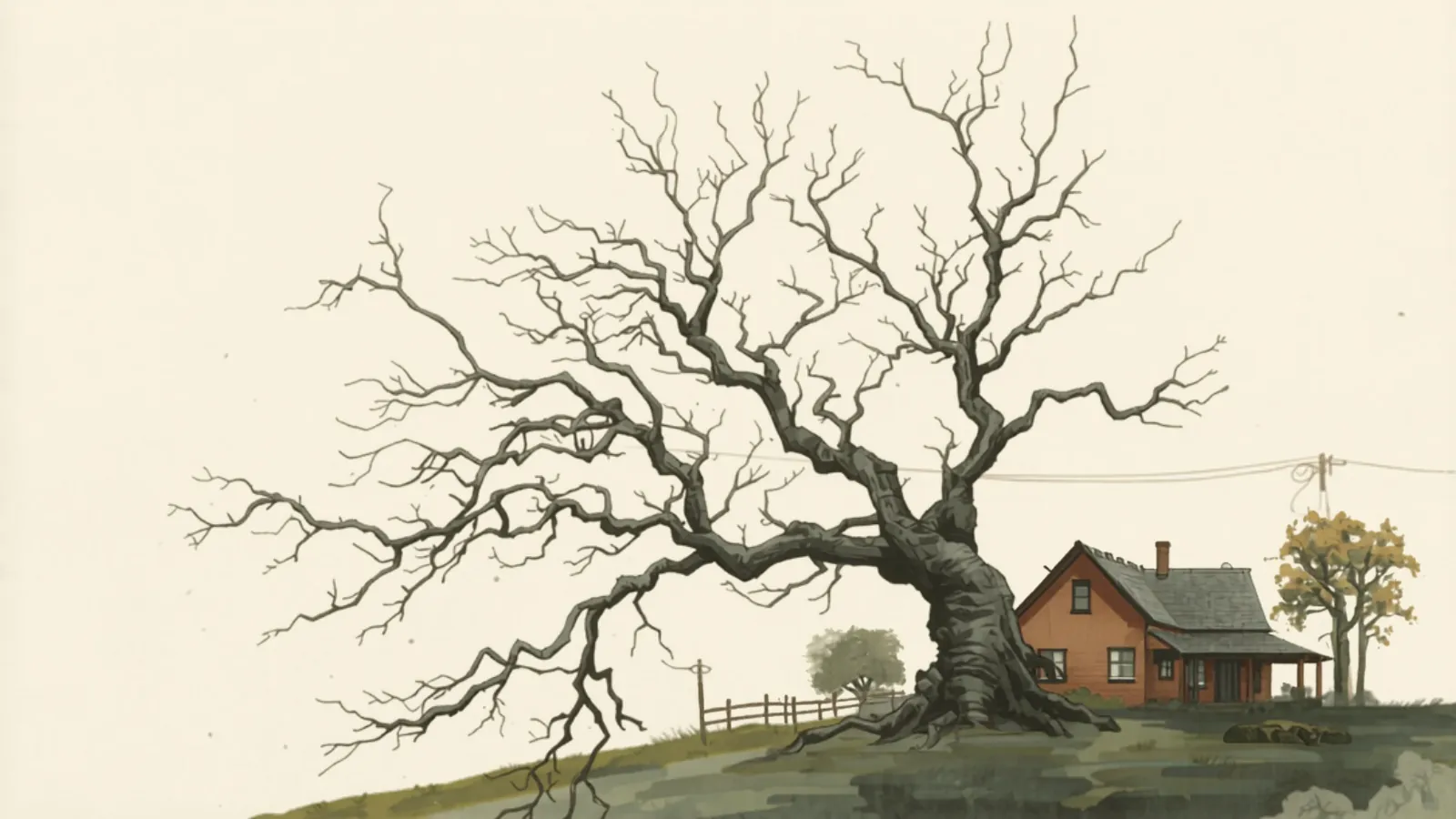
Dead limbs hanging over a house, a trunk leaning after a storm, a lifting root plate, large cracks, or fungal decay at the base all signal a tree that could fail. A leaning tree with disturbed or heaving soil at its base is a genuine emergency. If a tree is touching power lines or already partially down on a structure, treat it as urgent and keep people well clear until a professional has made it safe.
Emergency and after-hours pricing
Emergency removals cost more because the crew drops other work, often operates in worse conditions, and carries higher risk. After-hours and weekend callouts in Sydney carry a premium on top of the base job. If a tree is genuinely unsafe — on the house, blocking access, or on live lines — that premium is worth paying. If it can safely wait until morning, a scheduled job is much cheaper.
Insurance and storm damage
If a tree has fallen on your home, fence or car in a storm, your home or contents insurance may cover removal and the resulting damage — but usually only the make-safe and the part affecting the insured structure, not removal of the rest of a healthy tree. Photograph everything before work starts and check your policy or call your insurer before authorising a large bill.
Why neglected trees can cost you twice
A tree that's been visibly dead or declining for a long time is a weaker insurance claim — insurers often exclude damage from hazards the owner should have dealt with. Acting on a dead tree while it's still a planned job, rather than waiting for it to come down in a storm, is both cheaper and cleaner from a claims point of view.
What drives the price
| Factor | Effect on price |
|---|---|
| Urgency (emergency vs planned) | Emergency and after-hours carry premiums |
| Risk profile | Leaning, decayed or partially collapsed trees cost more |
| Proximity to structures / lines | Careful make-safe and dismantle add labour |
| Crane or make-safe requirement | Trees on buildings need both — a major cost |
| Time of callout | Nights and weekends are charged at a premium |
| Insurance involvement | May cover make-safe on the insured structure |
Frequently asked questions
Is emergency tree removal more expensive? Yes — after-hours, short-notice and high-risk work all carry premiums over a planned job, sometimes substantially.
Will insurance pay for tree removal? Sometimes, when a tree damages an insured structure. Pre-existing dead trees you've neglected are often excluded — check your policy and document the damage.
Who do I call if a tree is on power lines? Stay clear and contact your electricity distributor (Ausgrid, or Endeavour Energy in Greater Western Sydney) or emergency services. This isn't a standard arborist job until the lines are made safe.
Can a leaning tree be saved? Sometimes, with cabling or crown reduction — an arborist should assess before you decide to remove it. A sudden lean after a storm, though, is usually a removal.
Do I still need council approval for a dangerous tree? Dead or dangerous trees are often exempt, but keep evidence. See our council permits and protected trees guide.
← Back to Sydney tree removal cost hub