Tree removal permits on the Gold Coast
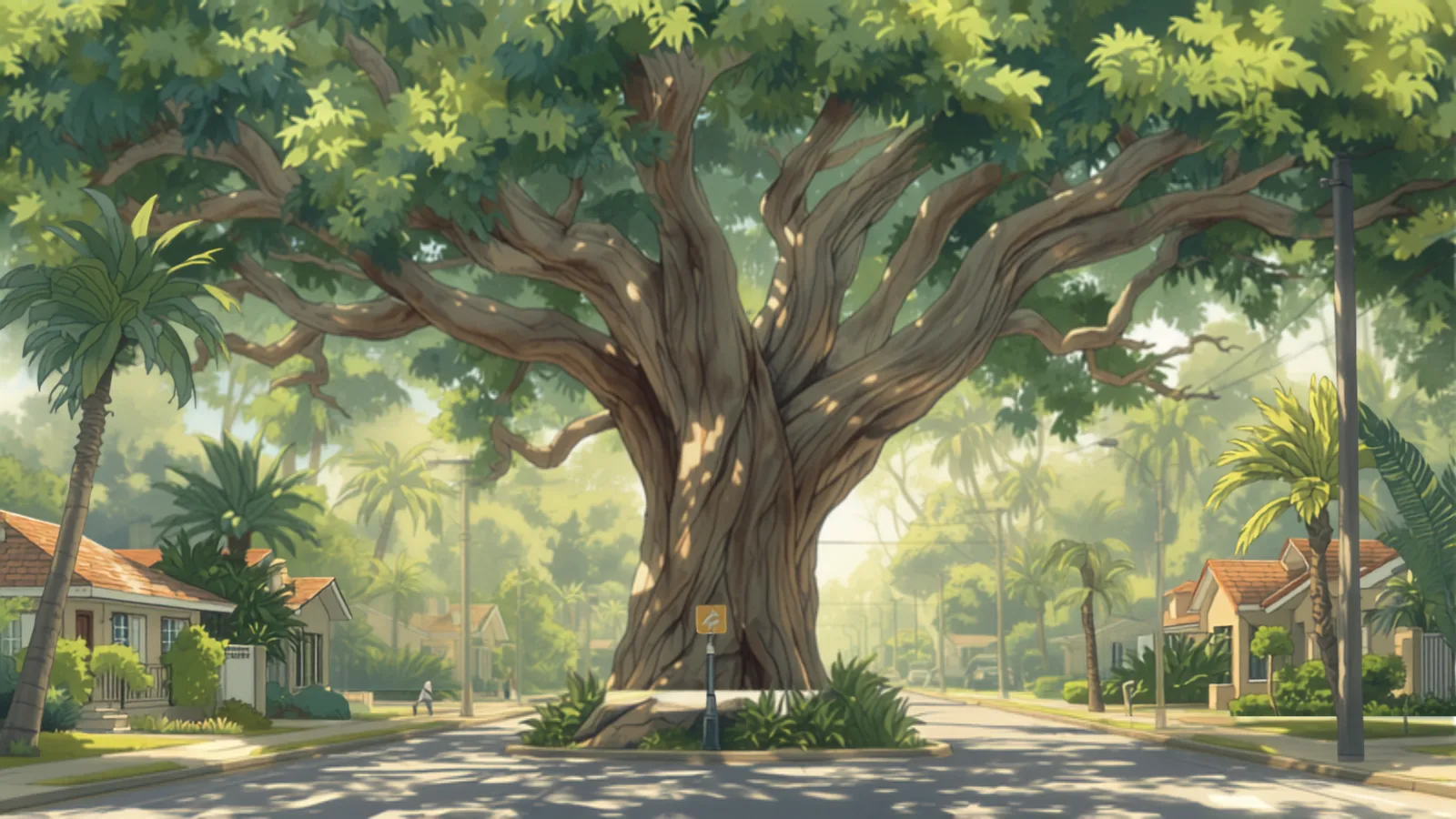
On the Gold Coast, whether you can remove a tree depends less on the tree and more on where it stands. The City of Gold Coast regulates vegetation through its City Plan, and some trees are protected outright. Here is how to check before you cut — and why getting it wrong is expensive. This is general guidance, not legal advice: always confirm your own situation with the City of Gold Coast.
Quick answer — do you need approval on the Gold Coast?
| Situation | Approval usually needed? |
|---|---|
| Property carries a vegetation management overlay | Likely yes — check the City Plan |
| Tree is a significant or protected tree under the City Plan (Vegetation Management Code) | Yes — protected |
| Property is in a koala habitat / conservation overlay | Likely yes |
| Tree is genuinely dead, dangerous or an imminent hazard | Often exempt — keep evidence |
| Declared pest / weed species (e.g. some cocos palms) | Often exempt |
| Small, unprotected tree on a freehold lot, no overlay | Often no approval needed |
You're in.
A local installer will be in touch about your job. No spam, no middleman.
This table is a starting point only. Overlays and exemptions are property-specific and change over time — confirm every case directly with the City of Gold Coast before removing a tree.
How tree rules work on the Gold Coast
The City of Gold Coast manages tree and vegetation clearing mainly through its City Plan and its vegetation management provisions. Whether a tree is regulated comes down to the City Plan’s definition of assessable vegetation — which covers trees above a set height or trunk size as well as vegetation mapped on the Vegetation Management Overlay Map — and whether an exemption applies to your lot. The council publishes an interactive mapping tool and property reports that show which overlays sit over your address, which is the single most useful thing to check before you do anything. Separate to council, broader-scale clearing on rural and larger holdings can also fall under Queensland state vegetation laws.
Significant and protected trees under the City Plan
Rather than a standalone register, the City of Gold Coast protects significant trees through its City Plan — chiefly the Vegetation Management Code and its related overlays, which can cover trees recognised for their size, age, rarity, habitat or landscape value. A tree caught by these provisions is protected, and removing or even damaging it without approval is not permitted. If you are unsure whether a notable old tree on your block is protected, ask the council before you touch it.
Overlays that change the answer
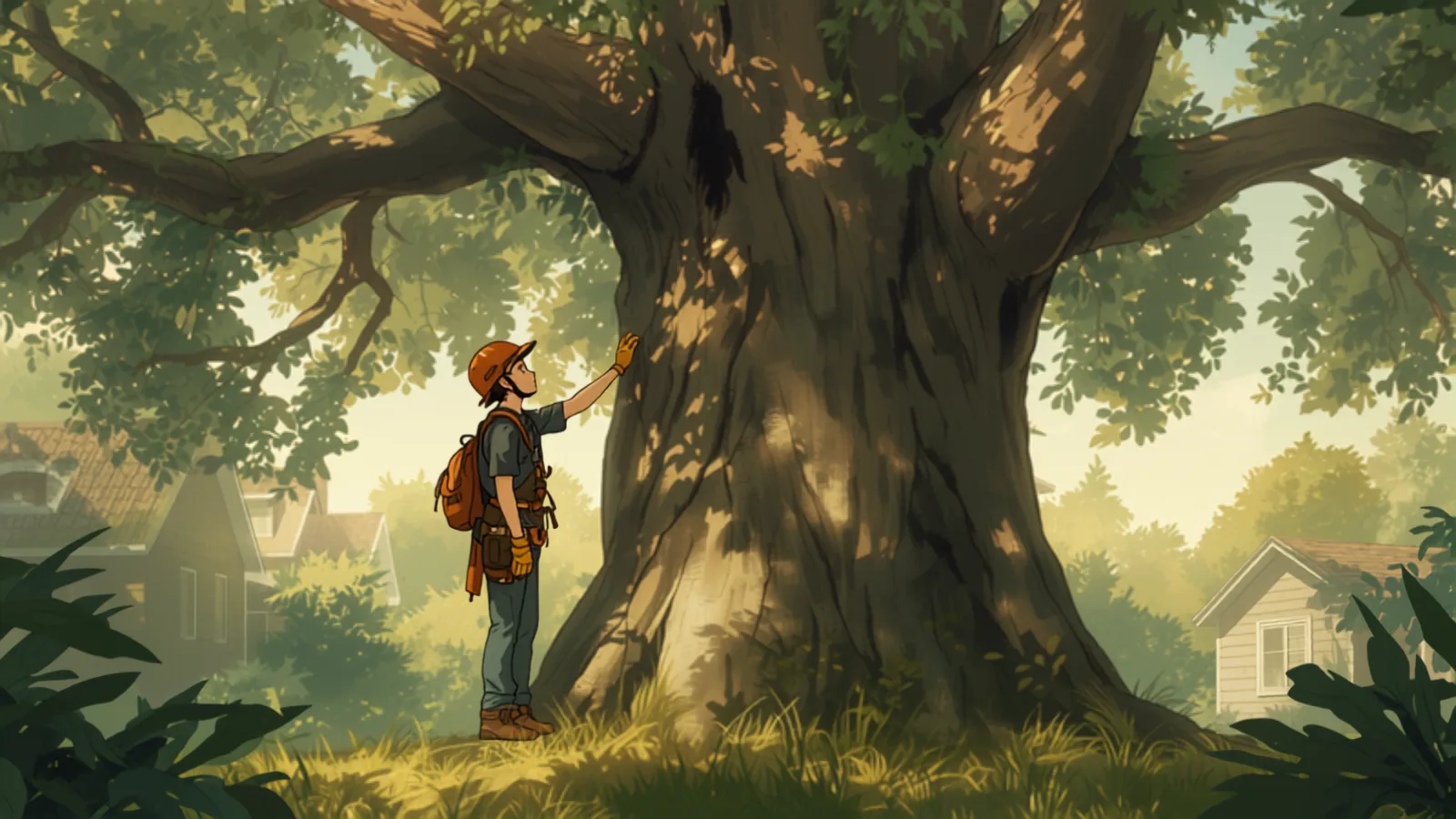
Mapping can mean a tree is regulated even when it looks ordinary: the City Plan’s Vegetation Management Overlay Map (which covers remnant, regrowth and wetland vegetation) and, under Queensland law, mapped koala habitat areas in South East Queensland, which include parts of the Gold Coast. Rural and large-lot zonings often carry tighter controls than standard urban blocks. Because two neighbouring properties can have different overlays, the only reliable check is your own property’s mapping.
Exemptions — when you can remove without approval
Some removals are commonly exempt, but the detail matters. A tree that is genuinely dead, dangerous or an imminent risk can often be dealt with without prior approval — but you should photograph it first and, where time allows, get an arborist to document the hazard, because the burden is on you to show the exemption applied. Certain declared pest or weed species may also be exempt, as can limited self-assessable clearing in some situations. After a storm, emergency works to make a site safe are treated differently from a planned removal. When in doubt, get it in writing from the council rather than relying on an assumption.
Penalties for getting it wrong
Unlawful tree clearing on the Gold Coast is taken seriously. Removing a protected tree without approval can lead to council enforcement, fines that can run into the thousands of dollars, and orders to replace the vegetation — and the cost of a contested case can dwarf what a removal or an arborist report would have cost. There is no upside to guessing: a quick check, and an application if needed, is always cheaper than an enforcement notice.
Arborist reports — what they cost and when you need one
An arborist report is a documented professional assessment of a tree’s health, structure and risk. On the Gold Coast they typically cost $295–$685, and you will usually need one to support an application to remove a protected tree, to demonstrate a tree is dead or dangerous, or to settle a dispute. It is a paid piece of work, separate from a free removal quote, because it is an expert opinion council and insurers will rely on.
Trees, renovations and building work
Tree rules often surface at the worst possible time — when you are planning a renovation, a pool, a shed or a new build. If a tree sits where you want to build, removing it may be tied to your development application rather than handled as a standalone removal, and the council can require it to be retained, protected during construction, or replaced with new planting. If you are buying or building on the Gold Coast, check the vegetation overlays on the property early: a protected tree in the wrong spot can change what you are able to build.
Boundary trees and neighbour disputes
Trees on or near a boundary are a common flashpoint. In Queensland the law governing trees between neighbours sets out who is responsible and what you can do about overhanging branches or invasive roots, but it does not override council protections — a protected tree still needs approval before anyone touches it. The practical path is almost always to talk to your neighbour first, agree in writing who pays, and confirm with the council whether the tree is protected before any work starts. Cutting first and asking later is how disputes — and enforcement notices — begin.
Storm season and emergency clearing
After a Gold Coast storm, making a site safe is treated differently from a planned removal. Genuine emergency works to remove an immediate danger can usually proceed, but the safest approach is still to photograph the damage, keep any arborist or SES advice, and check with the council as soon as practical — especially if the tree was protected. Documenting why the work was urgent is what protects you if the removal is ever questioned. If you are ever in doubt about whether a tree is protected, a quick call or property search with the City of Gold Coast costs nothing and takes minutes — far less than the time and money an enforcement notice would cost.
How to check before you cut
A simple sequence keeps you on the right side of the rules. (1) Look up your property’s overlays in the City Plan interactive mapping. (2) Check whether the tree is assessable vegetation under the City Plan, using the council’s self-assessment checklist based on its vegetation management code. (3) Ask a local arborist or the council if you are unsure. (4) Lodge an application where one is required. (5) For any exemption you rely on, keep photos and, ideally, an arborist’s note (the pest-species and dangerous-tree exemptions depend on an arborist’s determination). None of this is legal advice — for your specific tree, the City of Gold Coast is the authority.
Frequently asked questions
Do I always need council approval to remove a tree on the Gold Coast?
No — it depends entirely on your property. A small, unprotected tree on a freehold lot with no overlays often needs no approval, while a significant or protected tree under the City Plan, or one on a lot with a vegetation or koala overlay, does. The only reliable check is your own property’s City Plan mapping, confirmed with the council.
Can I remove a dead or dangerous tree without a permit?
Often yes — a genuinely dead, dangerous or imminently hazardous tree is commonly exempt. But the responsibility is on you to prove it applied, so photograph the tree and, where time allows, get an arborist to document the hazard before removal. After-hours storm emergencies are treated differently from planned work.
What happens if I remove a protected tree without approval?
You can face council enforcement, fines that may run into the thousands of dollars, and orders to replace the vegetation. A contested case can cost far more than the removal itself, which is why checking the overlays — and applying when required — is always the cheaper path.
How much does an arborist report cost on the Gold Coast?
Typically $295 to $685. You will usually need one to support an application to remove a protected tree, to show a tree is dead or dangerous, or to resolve a dispute. It is a documented professional opinion, separate from and additional to a free removal quote.
Can I remove a neighbour’s tree that overhangs my property?
You generally cannot remove someone else’s tree, but in Queensland you may be able to prune branches that overhang your land back to the boundary, subject to the same council protections and at your own cost. It is best handled by agreement, and protected trees still need approval — check with the City of Gold Coast and consider the Queensland neighbourly-trees rules.
← Back to Gold Coast tree removal cost hub