Solar battery cost on the Gold Coast in 2026
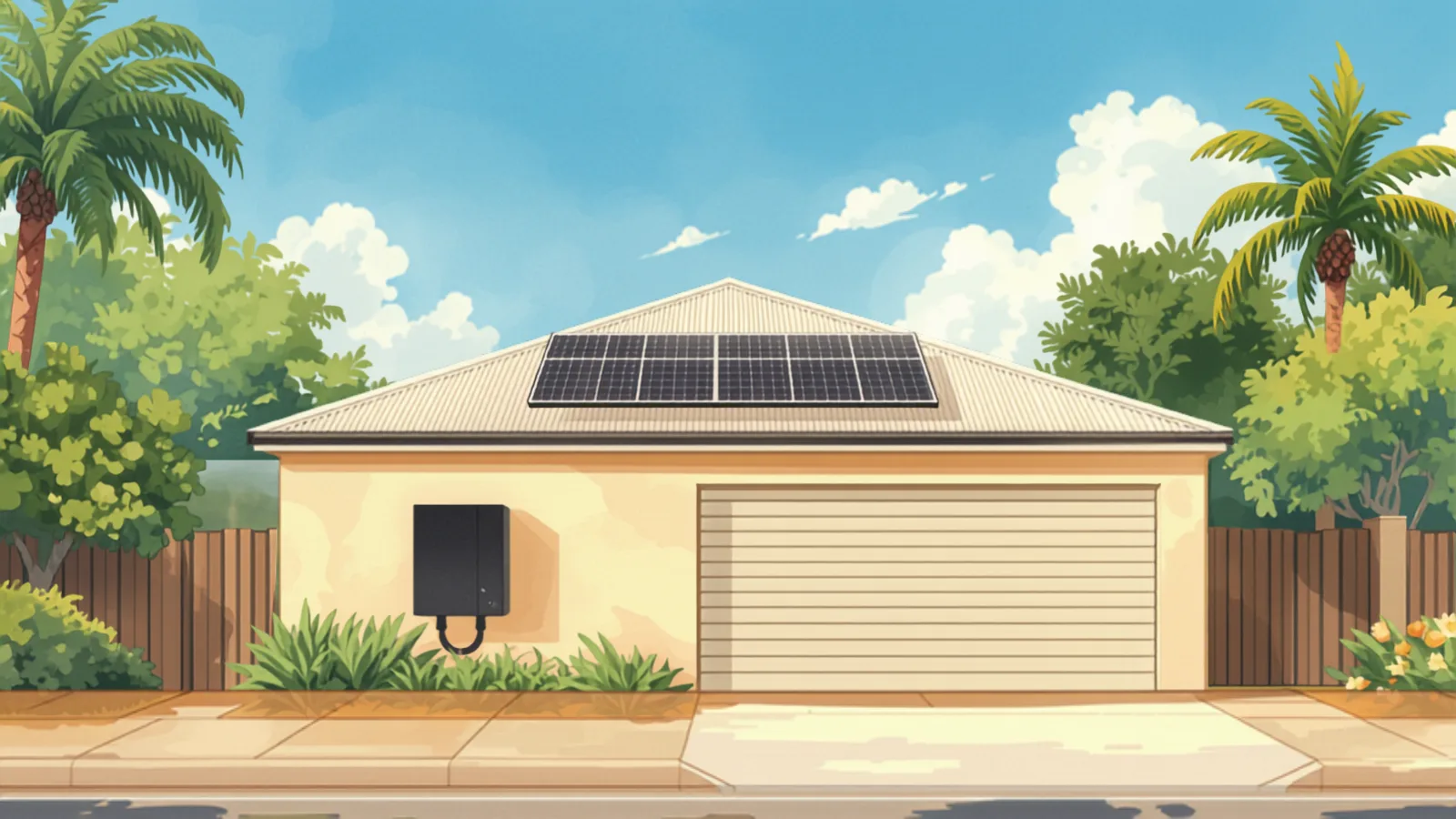
A home battery on the Gold Coast is far cheaper in 2026 than it was a year ago, thanks to the federal Cheaper Home Batteries Program that knocks roughly $250 off every usable kilowatt-hour for the first 14 kWh. A quality 10 to 13.5 kWh battery that might cost $8,000-$15,000 before rebate comes down to a net figure of around $5,500-$12,000 once the rebate is applied at the point of sale.
The federal battery rebate, in plain numbers
The headline for 2026 is the federal Cheaper Home Batteries Program. It works out to roughly $250 of discount per usable kilowatt-hour for the first 14 kWh of a battery - delivered as small-scale certificates that your installer claims and deducts from your invoice, so you never fill in a form. On a 10 kWh battery that is around $2,500 off; on a 13.5 kWh battery it is around $3,400 off.
| Battery size | Approx federal rebate | Typical net cost (hardware + install, after rebate) |
|---|---|---|
| 10 kWh | ~$2,500 | ~$5,500 - $9,000 |
| 13.5 kWh | ~$3,400 | ~$8,000 - $12,000 |
You're in.
A local installer will be in touch about your job. No spam, no middleman.
So as a guide, a quality battery in the 10 to 13.5 kWh range that lists at $8,000-$15,000 before the rebate lands at roughly $5,500-$12,000 net once the discount is applied. The exact figure depends on the brand, whether it includes its own inverter, and how much electrical work your switchboard needs.
How the rebate bands and the taper work
The full rate applies to the first 14 kWh of usable capacity. From 14 to 28 kWh the rebate drops to 60% of the rate, from 28 to 50 kWh it falls to 15%, and above 50 kWh there is none - the certificates cap out at the first 50 kWh. For a normal Gold Coast home that wants one battery, you are squarely in the full-rate band, so you get the best value per kilowatt-hour.
The other half of the story is timing. The rebate is designed to shrink: it steps down again later in 2026 and roughly every six months after that, all the way to the end of 2030. Each step lowers the discount on the same battery. The program is not means-tested, and to qualify you need a battery on the approved list, installed by an accredited professional, on or after 1 July 2025. There is no Queensland state battery rebate to add on top - the old state scheme closed in 2025 - so on the Gold Coast the incentives are the federal rebate plus the VPP bonus below.
Why batteries finally stack up in South East Queensland
For years the knock on batteries was that they cost too much for what they saved. Two things have changed that on the Gold Coast. First, the rebate above has cut the upfront cost sharply. Second, and just as important, the gap between what you pay for power and what you are paid to export it has become enormous. Grid electricity in SEQ runs around 30 cents a kilowatt-hour, while exported solar typically earns only about 5 to 8 cents on a standard plan. That means a kilowatt-hour of solar you store and use yourself in the evening is worth roughly four to five times one you export during the day. A battery is simply the tool that lets you keep more of your own cheap power instead of selling it for pennies.
This is why a battery often makes more sense in SEQ now than it did when feed-in tariffs were higher. Back when retailers paid a generous rate to export, there was less reason to store power. With today's low feed-in rates, every unit you can shift from daytime generation to evening use is money kept rather than money given away.
Sizing a battery to your evenings
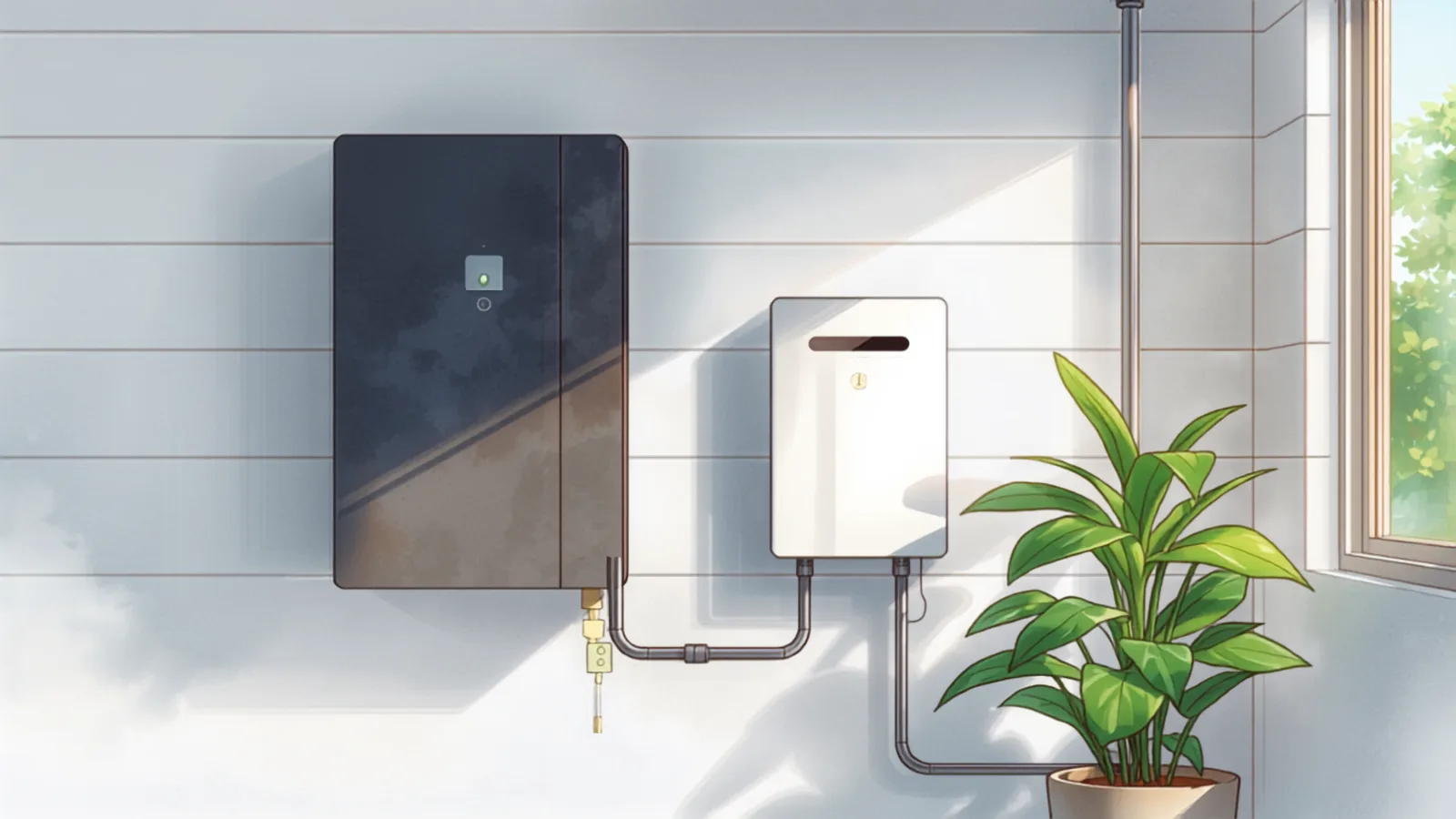
The art of battery sizing on the Gold Coast is matching it to your evening and overnight use, not to your solar system. Look at how much power you draw after the sun goes down - the cooking, the air-con, the TV and the morning routine before generation kicks in. For many Burleigh Heads and Robina households that lands somewhere around 10 kWh, which is why 10 to 13.5 kWh is the most common choice. A battery much larger than your nightly use just sits part-empty, while one too small leaves you buying grid power before sunrise.
It also pays to size with your solar in mind. There is no point in a big battery if your panels cannot fill it on an average day, and on the Gold Coast a 6.6kW array making 24 to 28 kWh on a good day comfortably charges a 10 kWh battery while still running the house. If you are installing solar and storage together, a good installer balances the two so the battery fills most days without starving your daytime use.
Solar and battery together - the combined cost
If you are starting from scratch and want both, the rebates do a lot of the heavy lifting. As a Gold Coast guide, a 6.6kW system paired with a 10kWh battery comes to roughly $13,000 to $22,000 after the federal rebates and before any VPP bonus, with larger combinations scaling up from there. Buying the two together is usually tidier than adding a battery later, because the installer can match the inverter to both and you only pay once for the electrical work and the grid paperwork. If you are not ready for storage today, ask for your solar to be installed battery-ready so adding one later is simpler and cheaper.
How a battery pays back in SEQ
Battery payback comes down to the spread between buying and selling power. On the Gold Coast you buy grid power at around 30 cents a kilowatt-hour and are paid only about 5 to 8 cents to export, so every kilowatt-hour you store during the day and use at night is worth roughly four to five times what exporting it would have earned. A 10 kWh battery that cycles most days is therefore shifting a meaningful chunk of value back into your pocket each evening. After the federal rebate brings that battery down to roughly $5,500 to $9,000 net, and with the VPP bonus of around $36 per kWh on top, the return is far better than in the early days of home storage. It is still a longer payback than the panels themselves, which is why most Gold Coast owners treat the battery as a play for evening independence and storm-season backup as much as for the dollars - with the economics improving as the rebate tapers and grid prices climb.
What to look for in a battery
Not all batteries are quoted the same way, so compare like for like. Check the usable capacity, not just the nominal figure - the rebate and your evening cover both depend on the usable kilowatt-hours. Look at the warranty, usually expressed in years and in throughput, and confirm the battery is on the approved product list, which is also what makes the rebate valid. And decide whether you want blackout backup, because not every battery provides it out of the box. A quote that spells all of this out is worth more than one that is a few hundred dollars cheaper but vague on the detail.
Blackout backup through storm season
The Gold Coast gets its share of summer storms, and an extended outage is exactly when a battery earns its keep beyond the dollars. Not every battery provides backup automatically - some need an extra changeover device to keep running when the grid drops - so if riding through a blackout matters to you, say so before you sign. It is a common request from highset and canal-front homes around Hope Island and Palm Beach where outages can take longer to restore. Be clear about which circuits you want backed up; whole-home backup costs more than keeping the fridge, a few lights and the internet running.
The VPP bonus - and why waiting costs money
On top of the federal rebate you can usually claim a Virtual Power Plant bonus of around $36 per kilowatt-hour for joining a VPP, which is roughly $480 to $720 for a standard battery and stacks on top of the rebate. A VPP lets your retailer draw on your battery at peak times in exchange for that payment - read the terms, but for many owners it is straightforward extra value.
Put the timing together with the bands and the message is simple. Because the federal rebate steps down later in 2026 and every six months after, the same battery costs a little more each time. That is not a reason to panic-buy, but if a battery already makes sense for your home, waiting a year is more likely to cost you a few hundred dollars in lost rebate than to save you anything. If you want a net figure for the exact battery and inverter that suits your home, the installer holding this page can price it with the rebate applied.
Frequently asked questions
What does a solar battery actually cost on the Gold Coast after the rebate?
A quality 10 to 13.5 kWh battery is typically $8,000-$15,000 before the rebate and around $5,500-$12,000 net once the federal Cheaper Home Batteries rebate (roughly $250 per usable kWh on the first 14 kWh) is deducted at the point of sale. The VPP bonus can take a few hundred dollars more off.
How long does a battery take to pay back?
It depends on how much evening power you shift off the grid, and the maths is far better than it used to be because SEQ feed-in tariffs are low (around 5-8 cents) while grid power is around 30 cents, so stored solar is worth four to five times more than exported solar. Be realistic, though: even with the federal rebate a battery pays back slower than the panels alone. The panels are the financial win on the Gold Coast; the battery adds evening self-sufficiency and storm-season resilience on top.
Do I need a battery to use solar on the Gold Coast?
No. Solar works perfectly well without a battery - you use power as it is generated and export the surplus. A battery is an add-on that lets you use more of your own solar at night rather than buying it back from the grid; it improves your savings, it is not required to run the system.
Is there a Queensland state battery rebate?
No. The old Queensland Battery Booster scheme closed in 2025, so there is no active state cash rebate. The incentives in 2026 are the federal Cheaper Home Batteries Program plus the VPP bonus, which you can claim together. Some low-interest finance options exist, but there is no state grant to add on top.
← Back to Gold Coast solar cost hub