Asbestos roof removal cost in Sydney: what licensed removal really costs in 2026
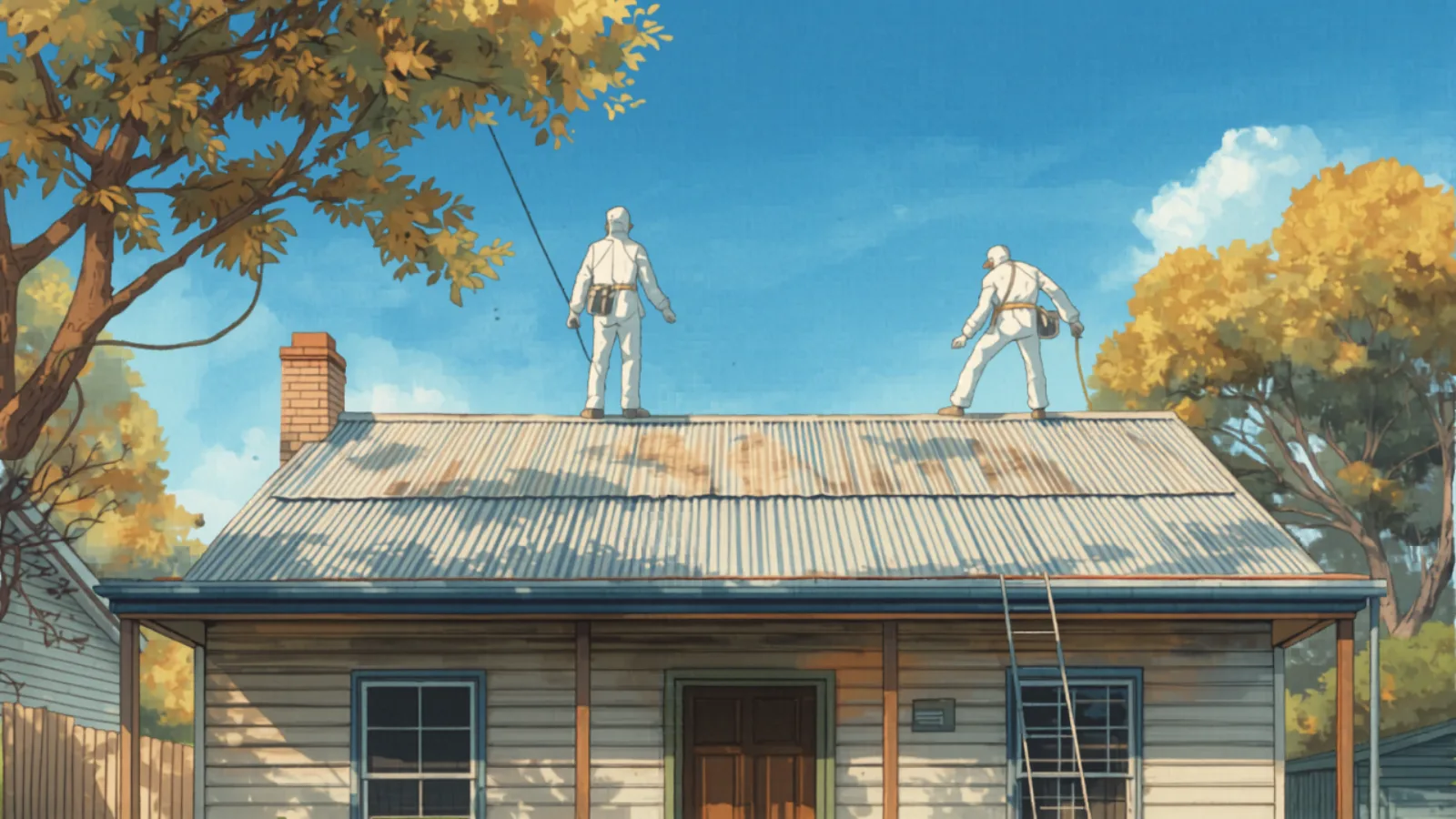
In Sydney, licensed asbestos roof removal runs $50–$80/m², and because the old roof is almost always replaced at the same time, removing an asbestos-cement roof and re-roofing in Colorbond typically lands at $25,000–$45,000 for a standard home. It's regulated, SafeWork NSW-licensed work — the process is what sets the price, and it's not something to cut corners on.
This is a deep-dive on asbestos roof removal in Sydney. For the full Sydney roofing pricing picture across every material and job type — including the interactive calculator and verified-roofer connection — see the main Sydney roofing cost guide →
Quick answer — asbestos roof removal costs in Sydney 2026
Asbestos roofing is priced per square metre for the licensed removal, then separately for disposal and — almost always — a new roof. Here's the 2026 Sydney picture:
| Job | Sydney cost | Notes |
|---|---|---|
| Licensed removal (bonded sheeting) | $50–$80/m² | Stripping and bagging by a SafeWork NSW-licensed removalist |
| Disposal & tip fees | $800–$2,000 | Sealed, double-wrapped, taken to a licensed facility — charged by weight |
| Air monitoring | $400–$900 | Independent licensed asbestos assessor or competent person; mandatory for friable removal, optional for bonded sheeting |
| Remove + new Colorbond roof (typical home) | $25,000–$45,000 | Most owners replace at the same time — one access, one scaffold |
You're in.
A local installer will be in touch about your job. No spam, no middleman.
Why so many Sydney roofs are asbestos
Asbestos cement — often called "fibro" — was standard roofing on Australian homes built between the 1940s and the late 1980s. Across Sydney's post-war suburbs, from Blacktown, Bankstown and Liverpool to the fibro beach shacks of the northern beaches and the Sutherland Shire, grey corrugated asbestos-cement sheeting still sits on thousands of roofs, garages and patios. It's safe while intact and undisturbed, but once it cracks, weathers, or gets drilled or water-blasted, fibres can become airborne. That's exactly why removal is regulated work rather than a weekend job.
The licensed process — and why it's the law
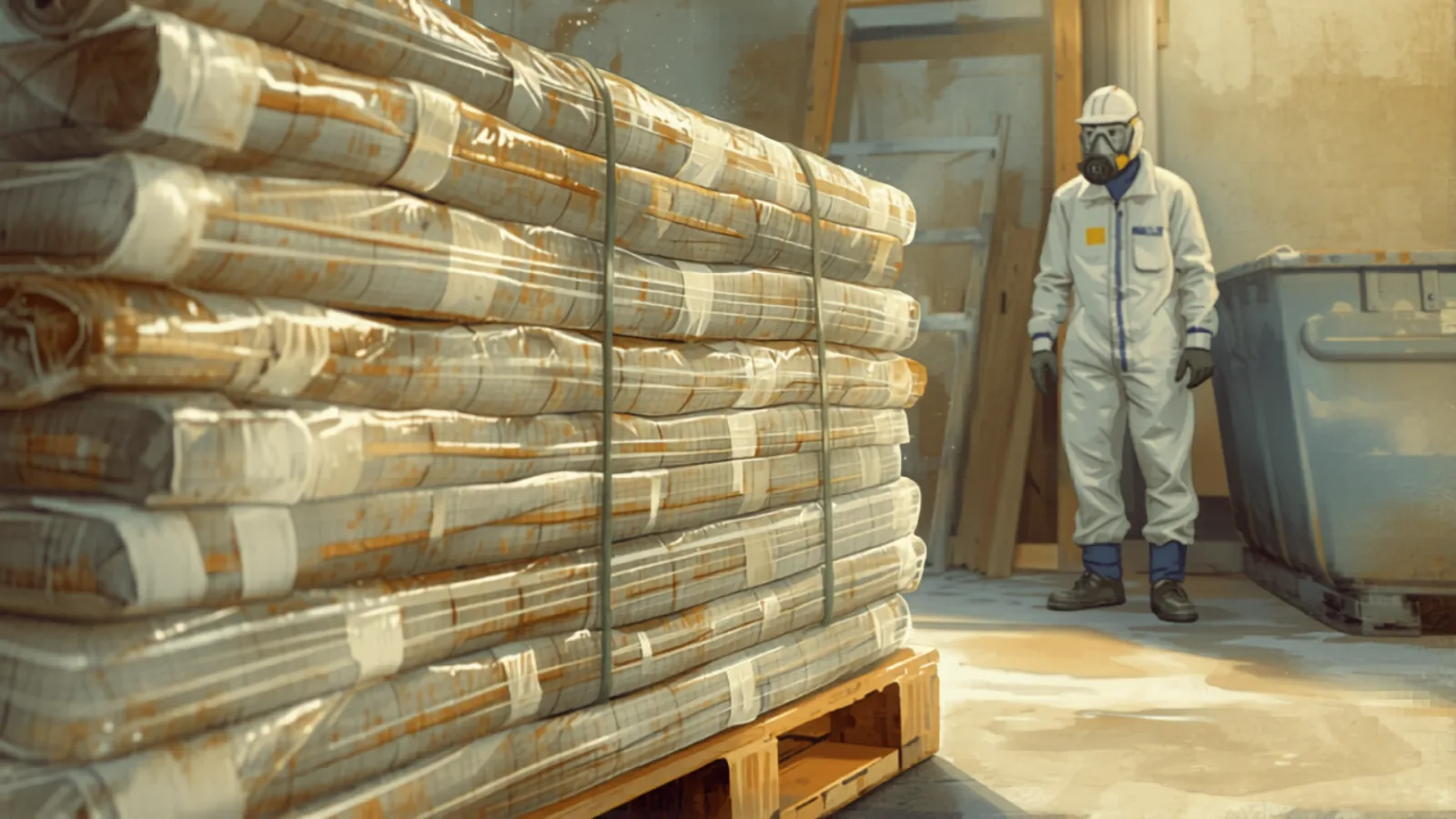
In NSW, removing bonded (non-friable) asbestos beyond a small 10m² patch must be carried out by a SafeWork NSW-licensed asbestos removalist. A roof always exceeds that threshold, so it is licensed work by definition. A compliant removal includes a written asbestos removal control plan, at least five days' written notice to SafeWork NSW, sheeting double-wrapped in heavy-duty plastic and taken to a landfill licensed to accept asbestos, and a clearance inspection and written clearance certificate before the area is reoccupied — with independent air monitoring mandatory for friable (Class A) removal. Friable asbestos, the crumbly kind, is a higher class of work again.
None of this is optional, and it is most of why removal costs what it does. The upside: a licensed removalist carries the insurance and the clearance paperwork that protects you when you sell.
What changes the price
- Roof area — the per-m² rate is the biggest lever; larger roofs cost more overall but often a little less per metre.
- Bonded vs friable — friable asbestos needs a Class A licensee and far stricter controls, which lifts the price sharply.
- Access & height — two-storey homes, steep pitches and tight Sydney lots add scaffolding and labour.
- Disposal weight — tip fees are charged by tonnage, and wrapped asbestos sheeting is heavy.
- The replacement roof — most of a $25,000–$45,000 total is the new Colorbond, gutters and flashings, not the removal itself.
Removal plus a new roof: the real total
Almost nobody strips an asbestos roof and leaves the rafters bare — the removal and the new roof happen as one job, sharing the same scaffold and access. For a standard single-storey Sydney home that's typically $25,000–$45,000 all in: licensed removal and disposal, new Colorbond sheeting, sarking, ridge capping, and usually new gutters and fascia while everything is open. Two-storey or steep heritage roofs push toward — and past — the top of that range.
One rule with no exceptions: never break, drill, water-blast or "just take a look under" an asbestos roof yourself. If you suspect asbestos, have a sample tested by a NATA-accredited laboratory and bring in a licensed removalist for anything more than a tiny offcut.