EV Charger Installation Cost: Home Charging Done Right
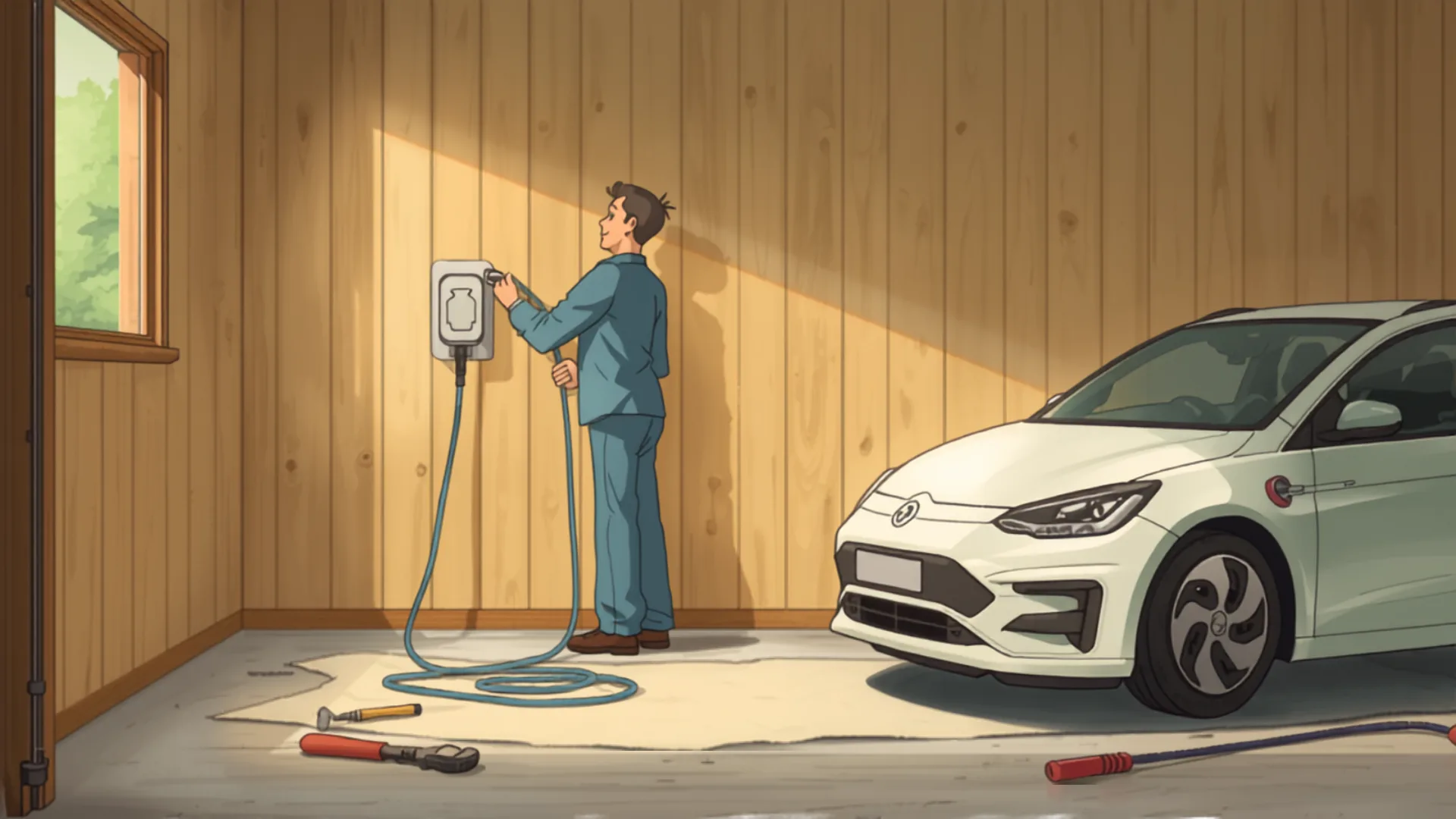
Charging at home is the cheapest way to run an electric car, and the charger on the wall is the once-off that makes it possible. What's The Damage's October 2026 re-verification across 90+ sources puts a home EV charger installation at $1,000–$3,000 installed nationally, with $2,000 typical. Here's what that buys, what moves it, and the switchboard question to settle before anything is ordered.
What the installed price actually covers
A home EV charger installation is really two purchases: the charger itself, and the licensed electrical work that puts it safely on the wall. Nationally the whole package runs $1,000–$3,000 installed, with $2,000 typical. The install side is the part most buyers underestimate — a wall charger isn't an appliance you plug in, it's a dedicated high-draw circuit run from your switchboard to the parking spot, protected, tested and certified. That's why the same charger unit can land at very different installed prices in different homes: the electrician isn't charging for the box, they're charging for the distance, the switchboard's condition and the complexity of getting a heavy circuit from one to the other.
| Job | Low | Typical | High |
|---|---|---|---|
| EV charger installation (installed) | $1,000 | $2,000 | $3,000 |
| Electrician hourly rate (context) | $80 | $100 | $150 |
| Call-out / service fee (context) | $50 | $90 | $150 |
What moves the price inside the band
Four factors decide where in the $1,000–$3,000 range a given home lands. Distance is the biggest: a garage wall on the far side of the house from the switchboard means a long cable run, and long runs of heavy cable cost real money in both material and labour. Switchboard condition is next — a modern board with spare capacity accepts a new circuit easily, while an older or crowded one needs work before the charger can even be considered. Charger power matters: a standard single-phase wall charger is the common home fit, while three-phase charging (where the home has three-phase supply) charges faster and costs more to wire. And mounting complexity rounds it out — a simple garage wall is the base case; external walls, carports, pedestal mounts and conduit runs through finished spaces all add labour.
The switchboard question — settle it first
An EV charger is one of the largest single loads most homes will ever add, and the switchboard is where that reality lands. Before any charger is ordered, the electrician's first job is a capacity check: can the board take a new dedicated circuit of this size, does it have modern safety switches, and is there physical space for the additional protection? Plenty of homes pass without drama. Older boards — ceramic fuses, crowded enclosures, no spare ways — often don't, and upgrading becomes part of the project. That's a separate, well-mapped piece of work with its own price territory, covered in our dedicated rewire vs switchboard upgrade guide. The sequencing point is simple: get the board assessed before you buy a charger, because the assessment can change both the budget and the charger choice.
Choosing the charger without overbuying
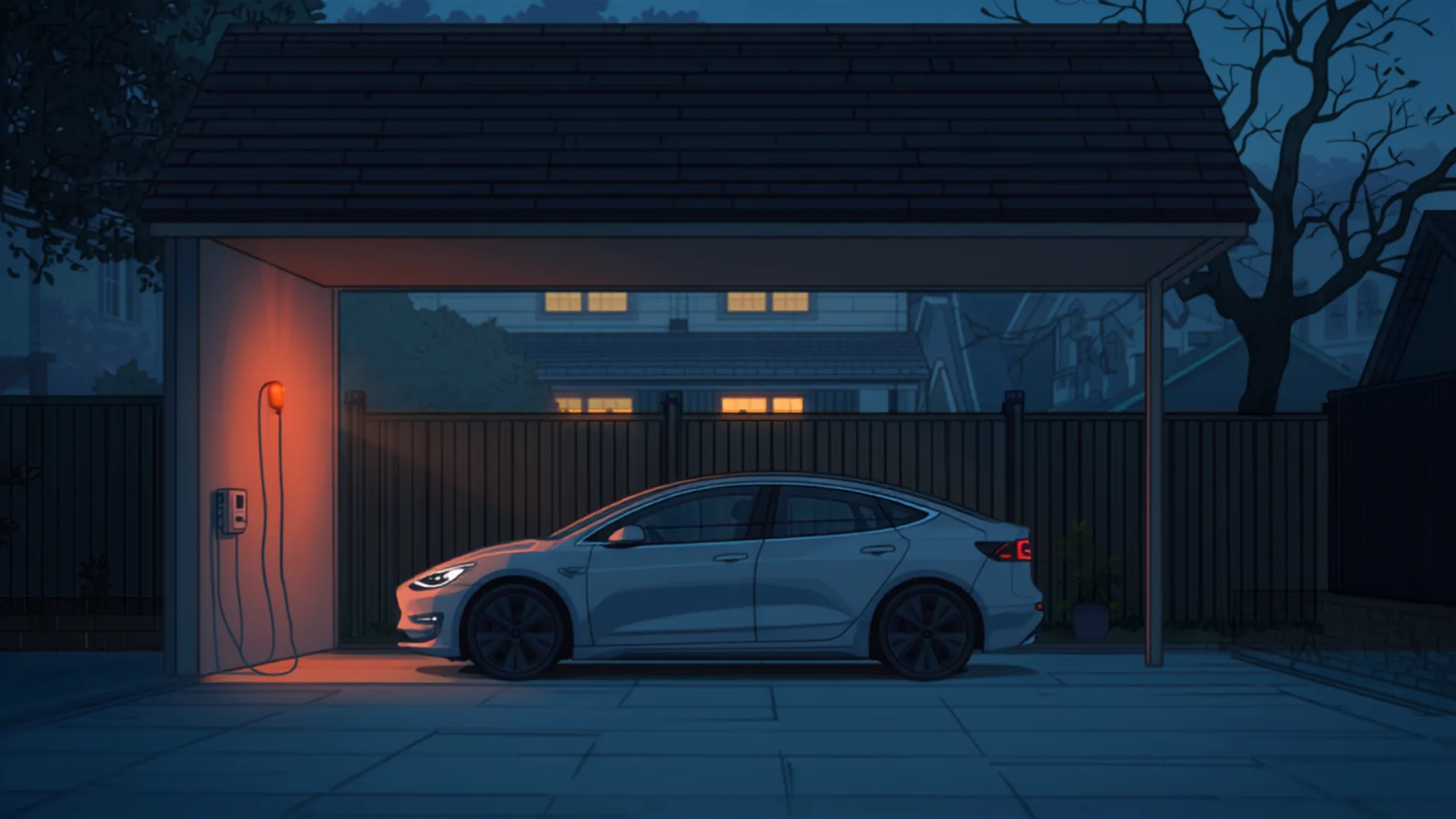
For most Australian homes the sweet spot is a single-phase smart wall charger — enough to fully charge a typical EV overnight, which is the actual job. Faster three-phase units are worth it mainly where three-phase supply already exists and daily driving distances are unusually high; paying to bring three-phase into a home just for charging rarely stacks up against simply charging for a few more hours while you sleep. "Smart" features earn their keep: scheduling charge times into off-peak windows, load management that backs the charger off when the oven and aircon are running, and solar-aware charging that soaks up daytime export. One practical rule prevents the most common misstep: don't purchase a charger before the electrician has seen the switchboard and the supply — the site visit is what tells you which unit the house can actually support.
Charging speed, in honest terms
A wall charger's value is measured overnight, not by stopwatch. A standard single-phase unit restores a meaningful day of driving in a few evening hours and a full battery by morning, which covers the way most households actually use a car. That's also the honest comparison against public fast charging: public DC is for road trips and top-ups, while the home unit quietly does the other ninety-something per cent of charging at the cheapest rates you have access to — especially paired with off-peak tariffs or daytime solar. The portable granny charger that comes with many EVs works from a standard power point, but it's slow and it occupies a circuit never designed for all-night heavy draw; treat it as the backup, not the plan.
Incentives, compliance and the paperwork
Two housekeeping notes close the decision out. First, incentives for home charging equipment come and go and differ by state and territory — worth a quick check of what's current where you live before purchase, but never worth building the budget around. Second, the compliance side is non-negotiable: EV charger installation is licensed electrical work everywhere in Australia, full stop. A proper job ends with the compliance paperwork for the new circuit — in Victoria a Certificate of Electrical Safety, in NSW a Certificate of Compliance for Electrical Work (CCEW) — and it's worth keeping for the paper trail when the house eventually sells with "EV ready" on the listing. Keep it with the house documents alongside the charger's own warranty card.
Getting quotes that compare cleanly
EV charger quotes vary more than most electrical work because the variables are house-specific, so make the quotes house-specific too. Send every electrician the same brief: photos of the switchboard (cover open if safe), the intended charger position, the approximate cable route and distance, and the charger model if you've chosen one. Ask each quote to state whether switchboard work is included or excluded, whether the price is fixed, and what certification is supplied at completion. Three quotes built on that identical brief will genuinely rank; three quotes built on guesswork will just be three different guesses. And as with any electrical work, confirm the licence against your state or territory's public register — thirty seconds that filters out the only quotes that could truly cost you.
You're in.
A local installer will be in touch about your job. No spam, no middleman.
Electrician cost in your city
Verified October 2026 ranges — tap your city for the full local guide.
Frequently asked questions
How much does it cost to install an EV charger at home in Australia?
A home EV charger runs $1,000–$3,000 installed nationally with $2,000 typical, per What's The Damage's October 2026 re-verification across 90+ sources. The figure covers the charger, the dedicated circuit from the switchboard, protection, testing and certification — distance and switchboard condition decide where in the band a given home lands.
What makes an EV charger installation more expensive?
Four things: a long cable run from switchboard to parking spot, an older or crowded switchboard needing work before it can take the circuit, three-phase charging instead of standard single-phase, and complex mounting — external walls, pedestals or conduit through finished spaces.
Do I need a switchboard upgrade for an EV charger?
Sometimes. The charger is one of the largest loads most homes ever add, so the electrician's first job is a capacity check. Modern boards with spare capacity usually pass; older boards with ceramic fuses or no spare ways often need upgrading first. Get the board assessed before buying any charger.
Is a single-phase or three-phase EV charger better for home?
For most homes, single-phase: it fully charges a typical EV overnight, which is the real job. Three-phase charges faster and suits homes that already have three-phase supply and unusually high daily driving — but bringing three-phase in just for charging rarely beats simply charging a few hours longer while you sleep.
Can I just charge my EV from a normal power point?
The portable charger that comes with many EVs works from a standard point, but it's slow and it loads a circuit never designed for all-night heavy draw. Treat it as the backup for travel, not the household plan — a dedicated wall charger on its own protected circuit is the safe, fast, certified option.
Can I install an EV charger myself?
No — EV charger installation is licensed electrical work everywhere in Australia. In Victoria a compliant job ends with a Certificate of Electrical Safety for the new circuit (in NSW the electrician lodges a Certificate of Compliance for Electrical Work), so keep your copy. Confirm the electrician's licence on your state or territory's public register.
← Back to electrician cost guide hub