Pergola and deck combos for Byron hinterland homes
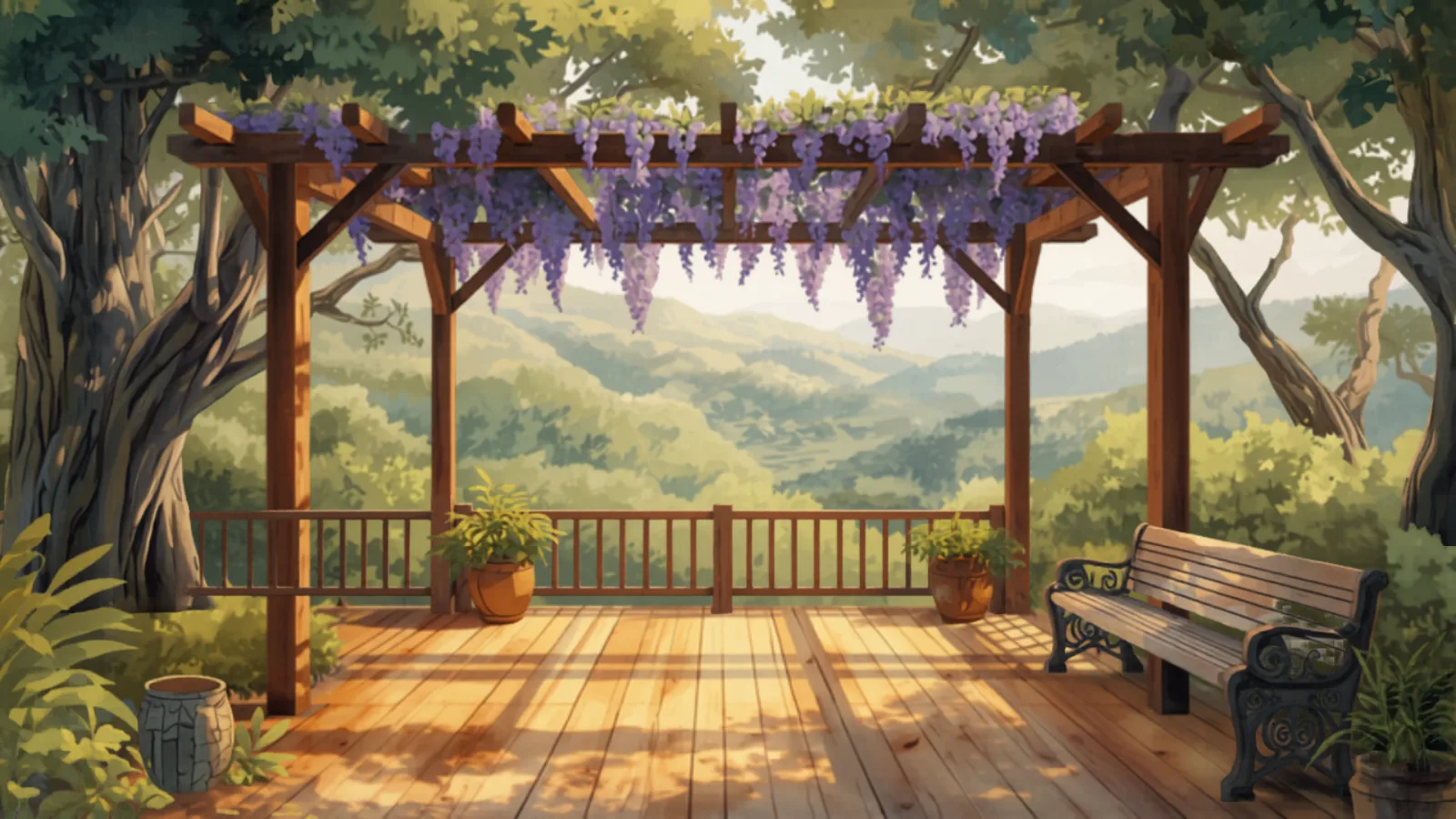
Hinterland Byron properties — Bangalow, Newrybar, Federal, Mullumbimby, the smaller villages off the highway — share something coastal Byron rarely has: actual land. Most hinterland blocks measure in acres rather than hundreds-of-square-metres, which makes the combined deck-and-pergola the dominant outdoor build type out here. A 40sqm covered outdoor room is achievable on almost any hinterland block.
Quick answer — hinterland deck+pergola cost in Byron
| Deck material | Pergola structure | Combined rate (40sqm deck + pergola) |
|---|---|---|
| Merbau hardwood | Treated hardwood posts & beams | $22,500–$36,000 |
| Spotted gum | Hardwood posts, blackbutt beams | $28,000–$44,000 |
| Composite (Modwood, Trex) | Galvanised steel structure | $24,000–$38,000 |
| Hardwood | Painted steel structure | $26,000–$42,000 |
You're in.
A local installer will be in touch about your job. No spam, no middleman.
Why deck+pergola is the hinterland default
Three things drive the deck-and-pergola combination as the standard outdoor-living build in Byron hinterland. The climate — hinterland summers are intensely hot in direct sun and the afternoon thunderstorms common November to March make uncovered decks unusable for half their potential life. A pergola roof transforms the deck from a sometimes-room to an everyday one.
The design vocabulary. Hinterland houses — farmhouses, Queenslander adaptations, mid-century rural builds — read in a way that complements an attached pergola. The same combination on a coastal CBD-style home often feels grafted on; on a Bangalow farmhouse it reads inevitable.
Council overlays. Byron Shire and Lismore (covering some wider hinterland) have generous height and setback rules for pergolas attached to existing dwellings. The same structure standalone would trigger more onerous compliance — attached to the house, it usually slides under a simple development application.
Material choices for the pergola structure
The deck and the pergola don't have to be the same material. For hinterland properties the all-hardwood combination is most common because the look matches rural buildings best. Steel-framed pergolas are gaining share for two reasons: they take longer-span openings without intermediate posts (better for entertaining-size pergolas at 6–9m wide), and they're lighter on the deck structure below.
The pergola posts usually need to land directly on extended deck footings (concrete pads or screw piles depending on soil) rather than sitting on the deck itself. Budget $400–$900 per post for footings on top of the structure cost.
Roof options — what goes over the top
Clear polycarbonate (Suntuf, Laserlite)
$35–$60 per sqm of roof area. Lets light through, keeps rain out, cheapest weatherproof option. Coloured polycarbonate (bronze or smoky grey tint) reads softer. The most common Byron choice for budget builds.
Slat or louvre roof (fixed)
$90–$160 per sqm. Fixed timber or aluminium slats with gaps for partial light and airflow. Beautiful but offers no rain protection. Suits properties where the pergola's function is shade not weather.
Operable / louvered (electric)
$280–$520 per sqm. Aluminium louvres that open and close on a switch — fully open for shade, fully closed for rain. The premium choice. Brands: Vergola, Stratco Outback. Premium hinterland builds increasingly default to this.
Vine canopy (no manufactured roof)
Minimal cost. Grow wisteria, grape, or jasmine over the pergola for a deciduous green roof — shady in summer, lets light through in winter. Most authentic hinterland approach. Takes 2–4 years to mature.

Council permits and overlays in the hinterland
Byron Shire and Lismore councils use the same NSW exempt and complying development rules for attached pergolas as Sydney metro councils, and real rules apply. Pergolas under 25sqm attached to the dwelling are usually exempt or simple notification. Pergolas over 25sqm fall outside the exempt standards and need a Complying Development Certificate (CDC) or a DA — a CDC is quicker than a full DA, $400–$1,200 in council fees, and can be issued in as little as 20 days. Work in a Heritage Conservation Area usually requires a full DA (development consent under Byron LEP 2014) unless it qualifies as exempt development, such as some rear-yard pergolas — $2,000–$4,500 in fees.
Hinterland properties on acreage rarely hit heritage overlays — most are in town centres. The big exception is properties along Bangalow main street or older parts of Mullumbimby. Bushfire-prone overlays affect parts of the western hinterland (Federal, parts of Newrybar, properties backing onto state forest). Pergolas in BAL-rated zones need to meet specific construction standards — typically pushing materials toward steel or fire-retardant-treated hardwood and adding $1,500–$4,000 to the build.
Itemised example — 40sqm Bangalow pergola+deck
| Line item | Cost |
|---|---|
| Site prep, level & footings | $1,800–$3,200 |
| Treated hardwood subframe (40sqm) | $4,800–$6,800 |
| 40sqm merbau decking, supplied & installed | $13,800–$19,200 |
| Pergola posts & beams (treated hardwood) | $4,500–$7,500 |
| Polycarbonate roof + battens | $1,800–$3,200 |
| Stainless or galvanised fixings throughout | $400–$800 |
| End-grain sealing + first oil coat | $500–$900 |
| Council CDC + lodgement | $500–$1,200 |
| TOTAL (40sqm deck + 30sqm pergola, merbau, polycarbonate) | $28,100–$42,800 |
Frequently asked questions
Can the pergola be added to an existing deck?
Usually yes — pergola posts can be retrofitted onto the existing deck structure or set on new footings that pass through the deck to ground. Budget $400–$900 per post for retrofitted footings. The existing deck's structural capacity needs engineer assessment first ($400–$900 fee) to confirm it can carry the additional lateral wind loads.
Do hinterland properties need bushfire-rated decking materials?
Depends on the property's BAL rating. BAL-19, 29, 40 or FZ properties need decks built to the AS 3959 construction requirements for that BAL, using materials that are more resistant to ignition. Get the BAL rating from council before specifying.
Will a pergola block too much sun in winter?
If sized and oriented thoughtfully, no. The standard hinterland approach is to angle the pergola so it provides full shade in midsummer (when the sun is high) but admits direct sun in winter (when the sun is low). Combined with deciduous vines or operable louvres, you can dial seasonal sun in precisely.
Can I do the pergola later if I can't afford it now?
Yes — plan the deck structure to accept future pergola posts (oversized footings at the corners, joists positioned to receive post bases) and you can add the pergola in year 3 or 5 without disturbing the deck. Budget a notional $1,500–$2,500 to size the deck for future expansion.
What's the cheapest credible hinterland deck+pergola spec?
A 30sqm treated-pine deck with simple treated-pine pergola posts, polycarbonate roof, flat site with vehicle access — around $14,000–$19,000 total. Pine is the compromise; everything else matches the budget end of a hardwood spec. Suits sheds, secondary outdoor rooms, or rentals.
Do steel pergola structures match hardwood decks visually?
Yes when detailed thoughtfully. Black or charcoal powder-coated steel against amber-toned hardwood is a classic combination — reads contemporary and stays elegant for decades. White steel against hardwood is more common but can age poorly. Avoid raw or industrial-grey steel finishes on hinterland builds; they read commercial.
← Back to Byron Bay decking cost hub