Tile vs Colorbond in Sydney: which actually costs less in 2026?
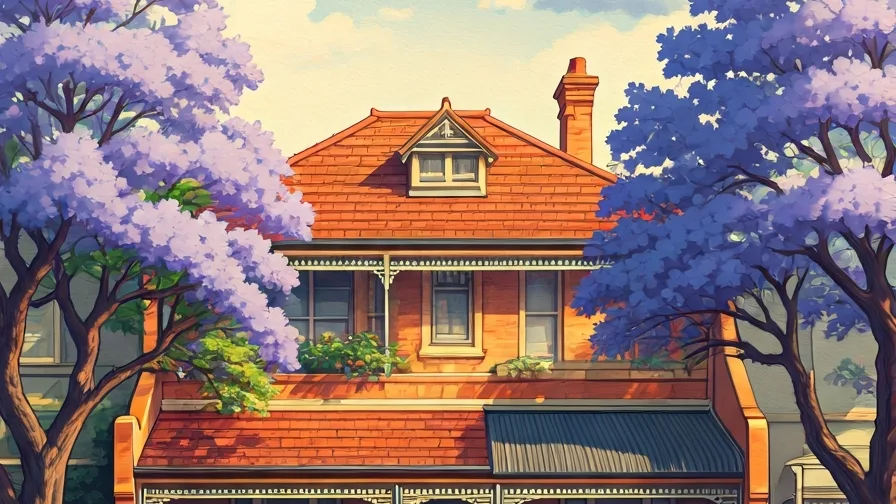
In Sydney, a 200m² re-roof in Colorbond Ultra typically lands at $19,000–$42,000, while the same roof in terracotta tile runs $26,000–$60,000. Colorbond looks cheaper on day one — but if you're holding the property 30+ years, terracotta's longer lifespan often wins on cost-per-year. The right answer depends on your suburb, your roof pitch, your strata or heritage controls, and how much salt is in your air.
This is a deep-dive on tile vs colorbond in sydney in Sydney. For the full Sydney roofing pricing picture across every material and job type — including the interactive calculator and verified-roofer connection — see the main Sydney roofing cost guide →
Quick answer — what each costs in Sydney 2026
Sydney roofing prices run roughly 18% above the national average. Steeper pitches (common in Federation and Edwardian housing), scaffolding requirements for two-storey terraces, and harbour-zone salt grading all push Sydney quotes north of what you'd pay in Brisbane or Adelaide. Here's the per-square-metre and total-job picture for a typical 200m² Sydney roof:
| Material | Installed cost/sqm | 200m² total | Lifespan | Cost/year |
|---|---|---|---|---|
| Colorbond steel (Ultra) | $95–$210 | $19,000–$42,000 | 30–45 years | ~$750 |
| Concrete tile | $100–$220 | $20,000–$52,000 | 50 years | ~$640 |
| Terracotta tile | $130–$260 | $26,000–$60,000 | 75 years | ~$480 |
| Slate (heritage) | $200–$450 | $40,000–$120,000 | 100+ years | ~$600 |
You're in.
A local installer will be in touch about your job. No spam, no middleman.
The headline $/sqm number isn't the comparison most homeowners should be running. Cost-per-year is. Terracotta tiles on a Sydney roof from the 1920s are routinely outlasting their second Colorbond replacement on neighbouring properties. If you're planning to stay 15+ years, the math changes substantially.
For the full pricing context across every Sydney roofing job type, including the interactive calculator, see the main Sydney roofing cost guide →.
The four cost drivers that swing the tile-vs-Colorbond decision
Per-square-metre quotes from two roofers can vary by $30/sqm — sometimes more — even on the same material. The variance almost always traces back to four Sydney-specific factors most homeowners aren't told about up front.
Heritage overlay zones
If you're in Paddington, Surry Hills, Glebe, Newtown, Balmain, Annandale, Camperdown, Erskineville, or any Federation-era pocket, council heritage controls likely restrict you to the original material. That usually means terracotta or slate — not Colorbond. The DA process adds $1,800–$4,500 in fees plus 8–14 weeks to the timeline before work can start. Check your suburb on the City of Sydney or Inner West heritage maps before getting quotes; a quote that ignores the overlay is a quote that'll fall over at council.
Harbour salt-zone marine grade
Suburbs within 1km of saltwater — Bondi, Bronte, Tamarama, Coogee, Maroubra, Manly, Mosman, Vaucluse, Watsons Bay, Rose Bay, Drummoyne — need marine-grade Colorbond (Coastline or Ultra), which adds $25–$45/sqm over standard. Standard Colorbond in these suburbs fails warranty inspections within 12 years. Tiles aren't exempt: terracotta lasts fine but the metal flashings, gutters, and downpipes all need to be marine-grade or stainless steel, adding another $1,200–$2,400 to the job.
Scaffolding and two-storey access
Most inner-Sydney terraces are 5.5m or taller with narrow rear lanes — scaffolding is mandatory and often runs $4,500–$9,000 regardless of material. This is a flat cost that doesn't change between Colorbond and tile, so when you're comparing $32k vs $45k quotes, remember that ~$7k of that is identical scaffolding on both. The material differential is smaller than the totals suggest.
Solar future-proofing
Planning solar in the next 5 years? Colorbond is the simpler, cheaper installation surface — about $400–$800 less in installer labour per system. Tile installs need tile-replacement brackets, and broken tiles during install run $80–$140 each. If you're already getting solar quotes alongside the re-roof, factor this in: the Colorbond decision might pay for itself through the solar install alone.
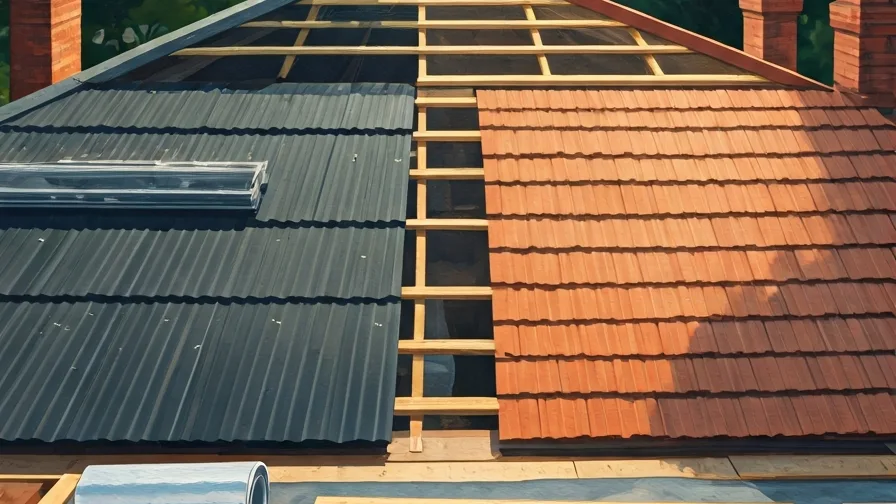
Real example — 200m² Drummoyne re-roof: Colorbond vs terracotta side-by-side
Here's an actual quote breakdown from a 1925 single-storey home in Drummoyne (harbour-adjacent, marine zone, non-heritage). The owners got matched quotes from the same roofer for both options to compare. GST included, scope identical except for the roofing material itself.
| Line item | Colorbond Ultra | Terracotta tile |
|---|---|---|
| Material — 200m² to spec | $22,500 | $36,000 |
| Sarking + battens upgrade | $2,200 | $2,800 |
| Removal + cartage of old tile | $2,400 | $2,400 |
| Marine-grade flashings + gutters | $2,800 | $2,800 |
| Scaffolding (single-storey, full perimeter) | $3,200 | $3,200 |
| Ridge capping + valleys | $1,400 | $2,100 |
| Make-good + paint touch-ups | $650 | $650 |
| Total (incl. GST) | $35,150 | $49,950 |
Colorbond saves $14,800 today. But the Colorbond roof in this Drummoyne salt zone has a realistic 28–32 year lifespan before warranty issues; the terracotta will go 70+ years. Over a 50-year holding period, the Colorbond gets replaced twice ($35k + ~$50k future replacement) — total ~$85k. The terracotta runs once. The cost-per-year math flips around the 22-year mark.
This is the calculation almost no roofer will run for you. They'll quote both and let you pick on sticker price.
Verdict by Sydney scenario
Boiled down to the call most Sydney homeowners are actually making:
- Holding 5–10 years, non-heritage, non-coastal: Colorbond. The cost-per-year advantage doesn't kick in.
- Holding 15+ years in a heritage suburb: tile (usually terracotta). Council will likely require it anyway.
- Coastal salt zone, any holding period: marine-grade Colorbond OR terracotta — but get the marine-grade flashing kit either way.
- Planning rooftop solar in 5 years: Colorbond saves $500–$1,500 on the solar install itself.
- Renovating to sell within 3 years: Colorbond. Quicker turnaround, fewer DA risks, broader buyer appeal in mid-market suburbs.