Coastal salt-zone painting cost on the Gold Coast

A weatherboard exterior repaint with full timber prep is $8,800–$23,500 on the Gold Coast in our table, typically $14,700. The table prices the city, not the suburb — but a home in Burleigh Heads, Mermaid Beach, or Currumbin Waters faces three real cost drivers that an inland home in Robina or Helensvale doesn’t, and they compound when you’re within 2km of the ocean.
Quick answer — coastal salt-zone painting cost on the Gold Coast
| Home | Gold Coast range (our table) |
|---|---|
| Weatherboard or Queenslander exterior, full timber prep | $8,800–$23,500 |
| Large or high-set Queenslander (decorative timber, full timber prep) | $19,600–$41,150 |
| Exterior, single-storey | $3,925–$9,800 |
| Exterior, two-storey | $7,350–$17,650 |
Rows from our Gold Coast painting table, which prices the city as a whole, not suburb by suburb. Inland (Robina, Helensvale, Pacific Pines), the coastal corridor (within 2km) and direct beachfront or cliff-edge homes are priced on the same rows; salt exposure shows up in the prep, so have a coastal home quoted on site.
You're in.
A local installer will be in touch about your job. No spam, no call centre.
Three reasons salt-zone repaints cost more
1. The salt-UV cycle eats paint faster
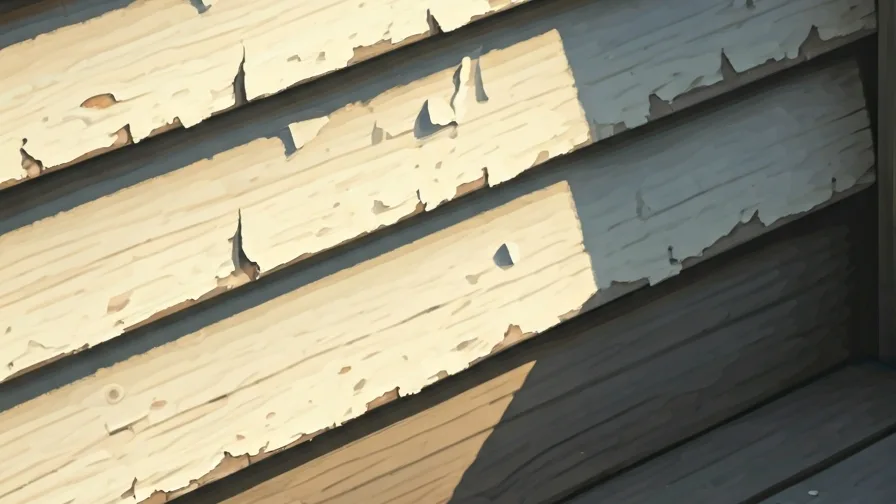
Coastal Gold Coast air carries airborne salt aerosol that lands on exterior surfaces, draws moisture from humidity, then bakes under intense Queensland UV. The cycle attacks paint at the chalking, peeling, and adhesion failure stages — typically 6–8 years on coastal homes vs 10–12 inland. Painters compensate by quoting on the assumption that prep work will be heavier (more failure to deal with) and the next service interval will be shorter. Both push prices up.
2. Marine-grade products cost more
Marine-grade exterior systems — higher-binder resins and UV-stabilisers made for salt-UV cycling, up to specialised systems for direct beachfront — cost more per litre than a standard exterior acrylic, and a 3BR exterior takes 30–50L of paint. Add primer and undercoat at coastal grade and the materials line grows with them.
3. Prep work grows on weathered coastal homes
A typical inland weatherboard exterior repaint involves pressure-wash, light sand, spot-prime bare patches, caulk gaps, repaint. A coastal home of the same age might need: pressure-wash, full hand-scrape of chalked surfaces, sand back to soundness in 30–50% of surface area, treat mould patches, prime entire surface (not just bare spots), reseal joints. On a salt-degraded home that prep is where the quote grows — and you can’t tell how much until the painter is on site.
Frequently asked questions
How do I know if my Gold Coast home is "salt-zone"?
As a rule of thumb, within 2km of the coast (including the broadwater and Coomera River estuaries). If you can smell salt in the air on a humid morning, you’re in the zone. The Australian Standard AS 4312 (Atmospheric corrosivity zones in Australia) grades how corrosive a site’s air is, from C1 (very low) to CX (extreme).
Is marine-grade paint actually different from regular exterior paint?
Yes — marine-grade products use higher-binder resin systems and UV-stabilisers rated for accelerated salt-UV cycling, so they resist chalking and hold their adhesion longer in salt air. Worth the premium for direct-coastal homes; less critical 2km+ inland.
How often should a coastal Gold Coast home be repainted?
Exterior: typically 6–8 years for direct-coastal (within 500m), 8–10 years for coastal corridor (within 2km). Inland Gold Coast: 10–12 years. These are real-world cycles based on visible chalking and adhesion failure — premium product can stretch each by 1–2 years.
Why are quotes for coastal homes so variable?
Because prep volume is impossible to estimate accurately without seeing the surfaces up close. A coastal home that’s been repainted on schedule may need only standard prep. One that’s gone 10+ years without repaint may need far more of it — same house, same painter. Get the quote line-itemised.
Does insurance cover repaint after a storm or salt-spray event?
Generally no for gradual salt-aerosol weathering (that’s wear-and-tear). Yes for direct storm damage where wind drives salt water onto unprotected surfaces — but you’d need photographic evidence and a quick claim window. Speak to your insurer before signing a repaint contract.
← Back to Gold Coast painter cost hub